
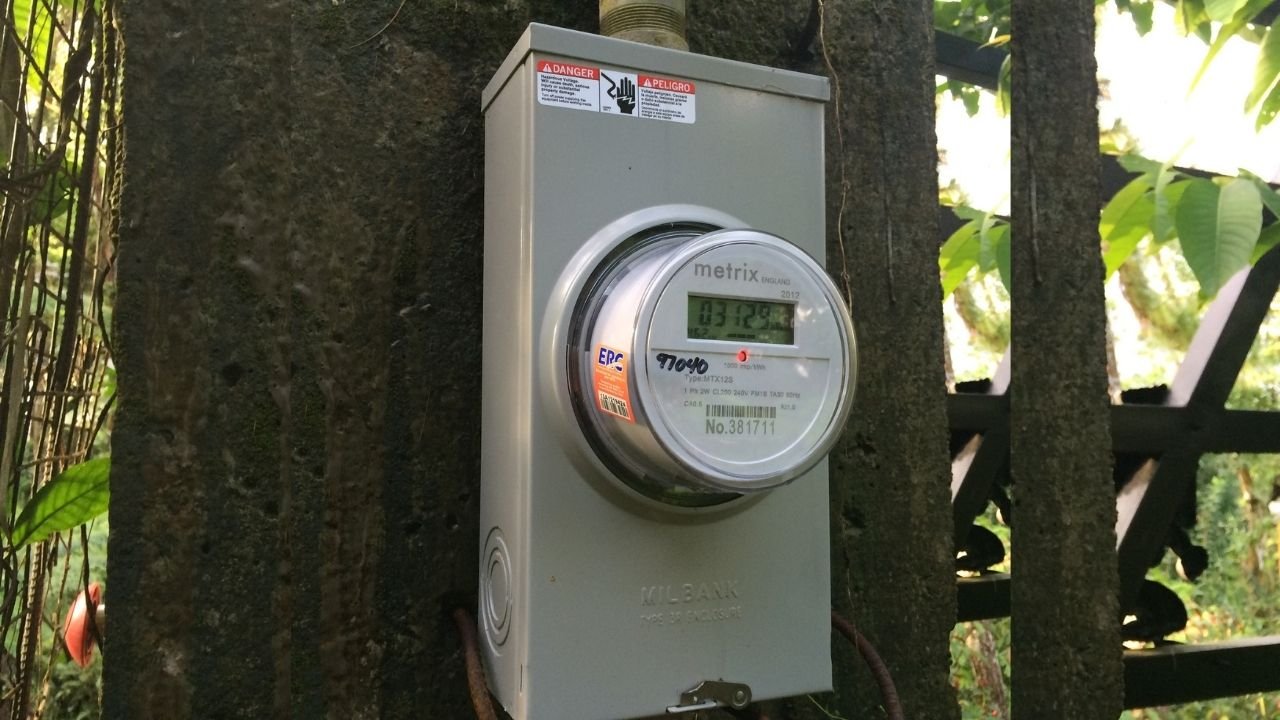
In the 2018 provincial election Ontario Premier Doug Ford promised to lower hydro rates by 12 per cent. Ford has not lowered hydro rates by even one per cent. What Ford did do was hide and protect the problem with his electricity rebate program subsidy.
The Financial Accountability Office (FAO) has reported this has cost the public treasury from between $6 and $7 billion per year. It gets worse. On November 1 the Ontario Energy Board raised electricity rates by 29 per cent. This was done, as it has been done every November 1 and April 1 since June 2002 to pay the rates the deregulated electricity market charged. Knowing this would not be good optics for him, Ford increased the electricity rebate program from 13 to 23.5 per cent hiding the increase. Ford never talks about his 2018 promise anymore.
A great concern is the FAO report of February 11 of this year . Just doing the math on $6.9 billion a year shows that the number to be reported should be around $8.52 billion. That figure does not include the November 1 increase to 29 per cent of the rebate.
Why does the FAO report show numbers nowhere near that number? It begs the question: did Ford intervene in the FAO’s reporting? Where are the billions of the 23.5 per cent subsidy buried in Ontario’s finances? Taxpayers deserve an answer.
Hard to believe it has been 28 years since Mike Harris who brought in his legislation in 1998 to deregulate hydro and create a deregulated electricity market in Ontario. Critics said it was impossible to have a market for something you can’t store or stockpile. It still is. Critics also predicted soaring rates.
Ontario’s electricity market was nothing more than an ideological con job. Ford is not the first to socialize with corporate CEO’s. Premier Mike Harris went fishing with Enron chairman Kenneth Lay, who went to jail for the biggest corporate fraud in history. Then, despite spectacular Enron market failures in California and around the world, Harris had Enron and a who’s who of the banking and investment community design Ontario’s electricity market.
Despite a massive ad campaign promising “lower rates” and promising “nothing will go wrong,” it went wrong. By 2007 rates doubled, by 2010 tripled and by the time Ford was elected in 2018, rates had quadrupled.
It is important to note that Alberta also fell for this deregulated electricity market scheme and is also hiding high rates with subsidies. In the US, deregulated electricity markets are causing major affordability problems there as well.
On top of all of that Ontario Power Generation has applied for a 72.6 per cent increase in rates to prepay for massive new nuclear plants. That’s like being forced to pay for an expensive meal and tip at a restaurant that won’t be built for years.
One of the biggest concerns on Ford’s very expensive nuclear plans is the Public Private Partnership (P3) funding that will pay for it. P3’s are the most insidious form of privatization. Made to sound good but it’s where the public pays and the private profits. P3’s have a dismal record worldwide.
Ford intends to spend hundreds of billions on new nuclear plants and on unproven experimental Small Modular Reactors SMR’s.
Ford, in another massive ad campaign, is spending millions more of public money on a propaganda ad campaign, claiming “that’s how we protect Ontario,” All this, while at the same time continuing to spend billions more artificially lowering artificially high hydro rates, by taking funding away from healthcare and education to pay for his hydro subsidy.
The fact of the matter is many in both the public and small business could not afford their hydro bill without Ford’s electricity rebate program. But they and their children are suffering from a lack of access to quality healthcare and a quickly deteriorating quality of education. It is very clear that the benefits of Ford’s nuclear plan are only going to flow one way, upwards to the wealthiest one per cent.
Electricity is central to both the climate and affordability crisis. We must get on the green energy pathway that 10 other countries are on. Investing in renewable green energy is far less expensive and far more sustainable than nuclear.
Let’s take a quick look at the political situation. The Conservatives believed and still believe in unregulated free markets and will fight tooth and nail to protect the deregulated electricity market. There is a very strong case to be made that the
Liberals were partners with the Conservatives on hydro deregulation and the record shows they supported and voted for all the deregulation legislation as well as selling Hydro One. The Liberals were thrown out of office for that sale and high hydro rates.
The NDP ran their entire 2003 provincial campaign on Public Power and getting rid of hydro deregulation. The Liberals took the NDP’s main campaign plank, promised a return to Public Power and won a majority. The NDP said nothing about that and has said little about hydro rates ever since then. The NDP really need to take up that issue again now.
The electricity market must be closed and rates must be regulated. The deregulated electricity market is working very well for the private investors who designed it, but not for us.
