
OTTAWA — Until last week, the federal byelection in Terrebonne was supposed to help push Prime Minister Mark Carney’s government to a majority. Now, as one Liberal operative puts it, a win in the Montreal-area riding would ensure a more “secure” majority.
While
NDP MP Lori Idlout’s decision to cross the floor to the Liberals
has eased off some of the pressure felt by the governing party to win Terrebonne at all costs, political insiders agree they will need to get over the threshold of 172 seats, which is effectively a majority of seats in the House of Commons, if they want to implement their agenda.
“To have such a short majority with an extra seat, or to stay where we are right now means that Liberals won’t really have a margin of error for absences or defections,” said Sandra Aubé, vice-president of federal affairs at the Quebec-based firm TACT Conseil.
Liberals currently hold 170 seats thanks to the recent floor-crossings of Conservative MP Matt Jeneroux and Idlout. The government is expected to pick up two more seats next month with the Toronto byelections in University—Rosedale and Scarborough Southwest to get to 172.
Terrebonne, however, is shaping up to be a hard-fought battle with the Bloc Québécois after the sovereigntist party went to the Supreme Court to get last spring’s one-ballot Liberal win annulled because a Bloc ballot was mistakenly returned to its sender.
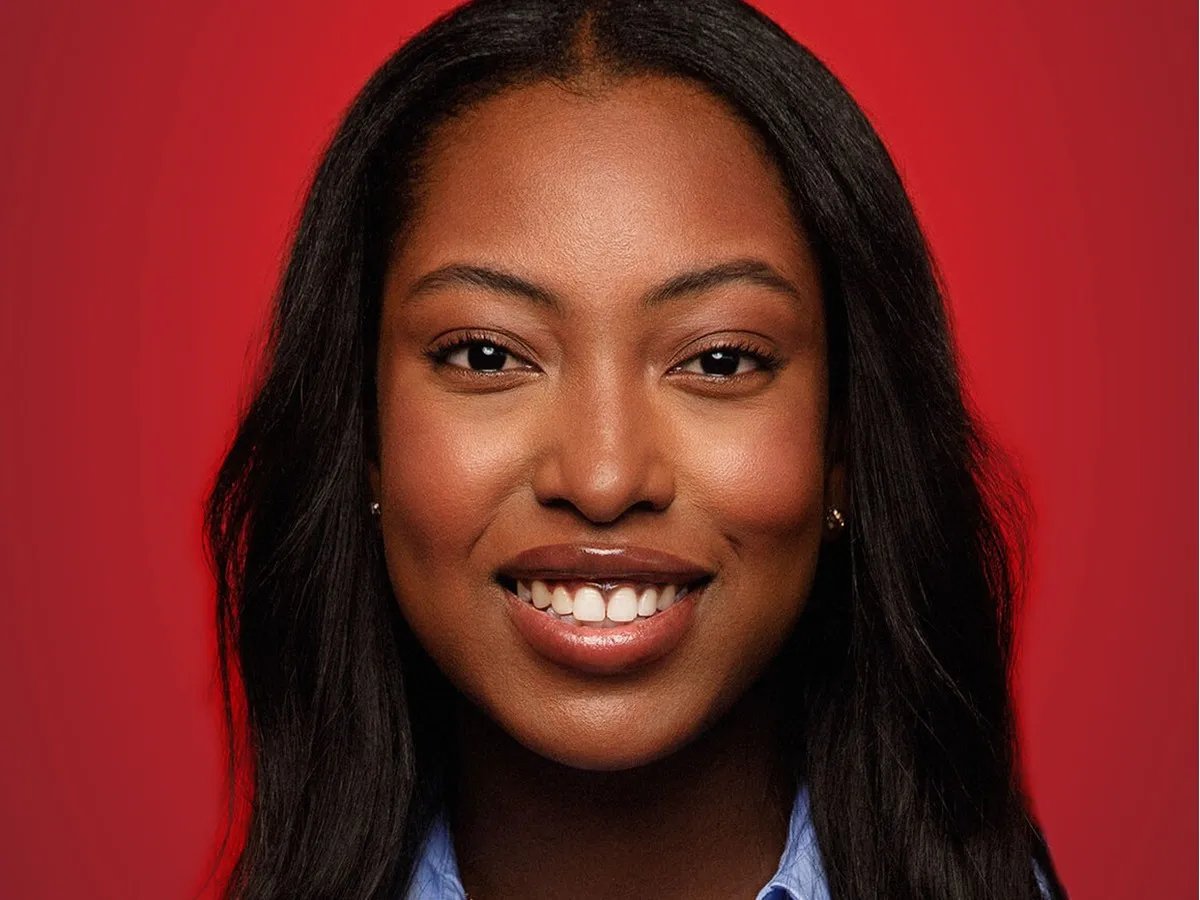
Liberals have been heading to the Montreal suburb in droves, helping their candidate Tatiana Auguste, who served as the MP until the Supreme Court decision last month, benefit from Carney’s soaring popularity in Quebec and win the seat for good.
Meanwhile, the Bloc machine is fiercely behind its candidate Nathalie Sinclair-Desgagné, who served as MP between 2021 and 2025, determined to regain her seat.
Bloc Leader Yves-François Blanchet said that the prospect of Liberals getting to 172 seats with or without Terrebonne might in fact help his party, since voters “will have the possibility to vote according to their own specific values, convictions, and interests.”
Éric-Antoine Ménard, vice-president and head of Quebec operations at NorthStar Public Affairs,
recently wrote in a Substack post that 172 is not a “magic number.”
In fact, he argued Liberals would have to get to 173 and ideally more to retain control of the House.
“The idea behind getting to 173 is that you no longer need the Speaker to cast a vote to win on a deadlock. That’s really the key thing, because there are rules that apply to how the Speaker uses his tiebreaking vote, and they’re very ancient rules,” Ménard said.
Essentially, he explained that Liberal MP Francis Scarpaleggia, in his role as Speaker, is not bound to toeing the party line. In the event he has to cast his vote to break a tie, he will do so in preserving the status quo and allowing debate to continue whenever possible.
Ménard added that while it is better for the government to have a “working majority,” it can also end up becoming a “poison pill.” “It definitely changes the caucus management dynamics, because all of a sudden, every backbench MP is the tiebreaking vote,” he said.
Aubé agreed that having such a slim majority will require Carney to listen more attentively to his caucus and for his team to constantly be on top of caucus management.
But that majority might find itself shifting in the coming weeks and months, depending on other departures in Parliament and
whether other floor-crossers join the Liberal ranks.
Liberal MP Nathaniel Erskine-Smith has been campaigning for the Ontario Liberal nomination in the Toronto riding of Scarborough Southwest in hopes of becoming the leader of the provincial party, but Ontario Premier Doug Ford has yet to call the byelection.
Asked on Tuesday if he was deliberately delaying the byelection to stop Erskine-Smith from asking him tough questions in Queen’s Park, Ford said bluntly: “I’ll be perfectly honest with you: he could be sitting in this crowd, I wouldn’t even know who this guy is.”
As for the timing of the provincial byelection, Ford said: “We’ll see.”
Erskine-Smith’s departure from the House of Commons would trigger a byelection in the Toronto riding of Beaches—East York, which he has represented since 2015. That could be an opportunity for the federal NDP to pick up a seat or for the Liberals to hold on to it.
The NDP’s Alexandre Boulerice is also considering a run for Quebec politics.
As previously reported by National Post
, the nomination process for Québec Solidaire in the Montreal riding of Gouin will be opening on March 25 and Boulerice is so far the only contender.
Boulerice has been representing the NDP in Rosemont—La Petite-Patrie since 2011, ending a 21-year streak held by the Bloc Québécois. But the Carney Liberals could be tempted to flex their muscles and try to convert that seat if and when the time comes.
There were also questions swirling around former cabinet minister Jonathan Wilkinson, who hails from British Columbia, to see if he would also accept a diplomatic post.
With all those moving parts, Ménard’s advice is: “Take a deep breath, see what the landscape is with the other potential byelections, get through your agenda by working with the other parties until the summer, and then at that point, maybe that’s gut check time.”
With a higher number of MPs, he said the government could decide to prorogue Parliament, present a new speech from the Throne and finally change the composition of parliamentary committees to reflect their coveted majority.
National Post
calevesque@postmedia.com
Our website is the place for the latest breaking news, exclusive scoops, longreads and provocative commentary. Please bookmark nationalpost.com and sign up for our newsletters here.
