
Providers treating chronic disease have always grappled with a fundamental disconnect that, in many cases, is considered unavoidable. The most critical determinants of a patient’s health — such as their daily behaviors, diet, and activity levels — happen outside of clinical settings, but the healthcare system is designed to manage them almost exclusively from inside an exam room.
Patients are instructed during routine appointments to modify ingrained lifestyle habits and sent home to do their best, with a reminder to check in again six months later. When they return, clinicians must rely on self-reported data or a single physiological assessment to judge the success of those interventions. The approach leaves providers and patients operating in the dark, and it undervalues lifestyle medicine, which is already making a significant difference in patient outcomes and could have an even greater impact.
It’s a niche wellness offering with the potential to become a reimbursable standard of care if paired with the detailed, objective data validation that connected care technology provides.
CMS signals progress, but reimbursement models must catch up
The Center for Medicare and Medicaid Innovation recently acknowledged this gap with the announcement of the MAHA ELEVATE model. By testing whole-person interventions that include functional and lifestyle medicine, CMS has signaled a willingness to look beyond traditional solutions that rely on medication and procedures. This is a significant step forward. However, while the pillars of behavior-change programs are enacted outside of clinical settings, the validation of those programs cannot rely on reporting that lacks clinical oversight.
Without stronger proof, it’s tough to overcome the perceptions that are sometimes associated with lifestyle medicine. For example, clinical evidence has long supported the positive impact of nutrition, exercise, and stress management in reversing chronic conditions like type 2 diabetes and hypertension. But because these interventions are difficult to standardize and measure, they can be perceived as less reliable than medication therapy and, in turn, harder for payers to reimburse. While shortsighted, undervaluing lifestyle-driven outcomes despite their improvements to patient health is a fixable problem.
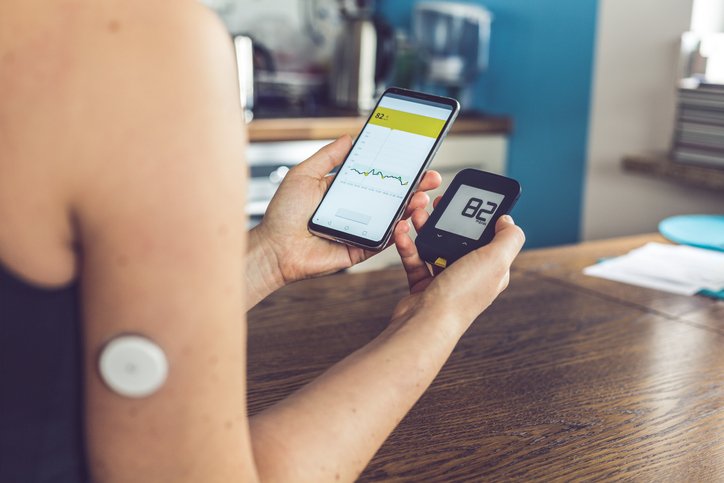
Remote Patient Monitoring (RPM) uses connected health technologies such as continuous glucose monitors, blood pressure cuffs, and other wearable devices to record and transmit health data in real time, providing information clinicians can use to customize and deliver proactive care for chronic conditions. CMS recognized the value of these activities by establishing reimbursement for them under Remote Physiological Monitoring billing codes. The approach now helps patients make lasting behavior changes, increases medication adherence, lowers hospitalization rates, and makes remote care convenient.
When RPM technology is combined with lifestyle medicine, devices can also track improvements in physical activity, sleep, nutrition, and stress levels, which are core tenets of the specialty. However, there is a gap when it comes to compensating the professionals who are often best suited to deliver lifestyle interventions: registered dietitians, certified health coaches, and exercise physiologists.
Current Medicare billing rules for RPM generally require services to be furnished under the supervision of a billing practitioner, such as a physician or non-physician practitioner. While clinical staff can perform the monitoring, the definition of who qualifies as clinical staff — along with supervision and auxiliary personnel requirements — can make it difficult to align lifestyle-focused care teams with existing reimbursement models. When experts cannot directly bill for the RPM management codes or they face restrictive supervision requirements, independent lifestyle programs become financially challenging to sustain.
RPM bridges the gap between lifestyle changes and clinical proof
Connected devices provide raw data confirming the physiological effects of behavioral changes. This objective feedback is essential for two reasons: reinforcing healthy behaviors and demonstrating ROI for payers. For patients who see their glucose numbers stabilize in real-time after a healthy meal, the abstract concept of “diet” becomes a tangible tool for managing metabolic health. And when a specific lifestyle intervention can be shown to reduce A1C by a measurable percentage across a large patient population, it becomes easier to link those improvements to reductions in acute care utilization — generating cost savings for payers and strengthening the case for lifestyle medicine practitioners to qualify for RPM reimbursement.
This strategy also offers benefits to patients who might be feeling overwhelmed by new instructions and processes. Behavior change is difficult; it requires frequent touchpoints, accountability, and education, which can be intimidating. Expecting a patient to achieve perfect results immediately and manage the logistics — driving to clinics for weekly nutrition consultations or blood pressure checks, for example — can derail care plan compliance, particularly for underserved populations who may lack access to information and face transportation or scheduling barriers.
The positive effects of RPM are already evident. A Mayo Clinic study credited RPM for a 72.5% patient compliance rate with care plans and a 30-day readmission rate of just 9.4%. These outcomes underscore the power of RPM in supporting sustained care plan adherence. Extending that same impactful remote care infrastructure to lifestyle medicine could help address longstanding challenges around measurement and validation.
If CMS and private payers are serious about whole-person health, as initiatives like the MAHA ELEVATE model suggest, reimbursement structures must align with the workforce actually delivering that care. Payment pathways should recognize the value of the broader care team and enable the seamless integration of their expertise with the objective data generated through connected devices and programs like RPM.
The recognition that health happens at home is long overdue. However, acknowledgment alone will not fix the chronic disease crisis. Encouraging lifestyle changes is not enough. They must be measured, validated, and reimbursed with the same rigor applied to procedural medicine. Connected care technology can supply the evidence needed to establish lifestyle medicine as a widely recognized standard of care.
Photo: dzika_mrowka, Getty Images
Lucienne Marie Ide, M.D., PH.D., is the founder and Chief Executive Officer of Rimidi, a digital health company that supports healthcare providers in the delivery of remote patient monitoring and chronic disease management with EHR-integrated software, services, and connected devices. She brings her diverse experiences in medicine, science, venture capital, and technology to bear in leading Rimidi’s strategy and vision. Motivated by the belief that we can do so much better as individuals, in industry, and in society. After completing her internship in Obstetrics and Gynecology at UPMC, Dr. Ide left clinical medicine to join the ranks of healthcare entrepreneurs who are trying to revolutionize an industry.
This post appears through the MedCity Influencers program. Anyone can publish their perspective on business and innovation in healthcare on MedCity News through MedCity Influencers. Click here to find out how.
