
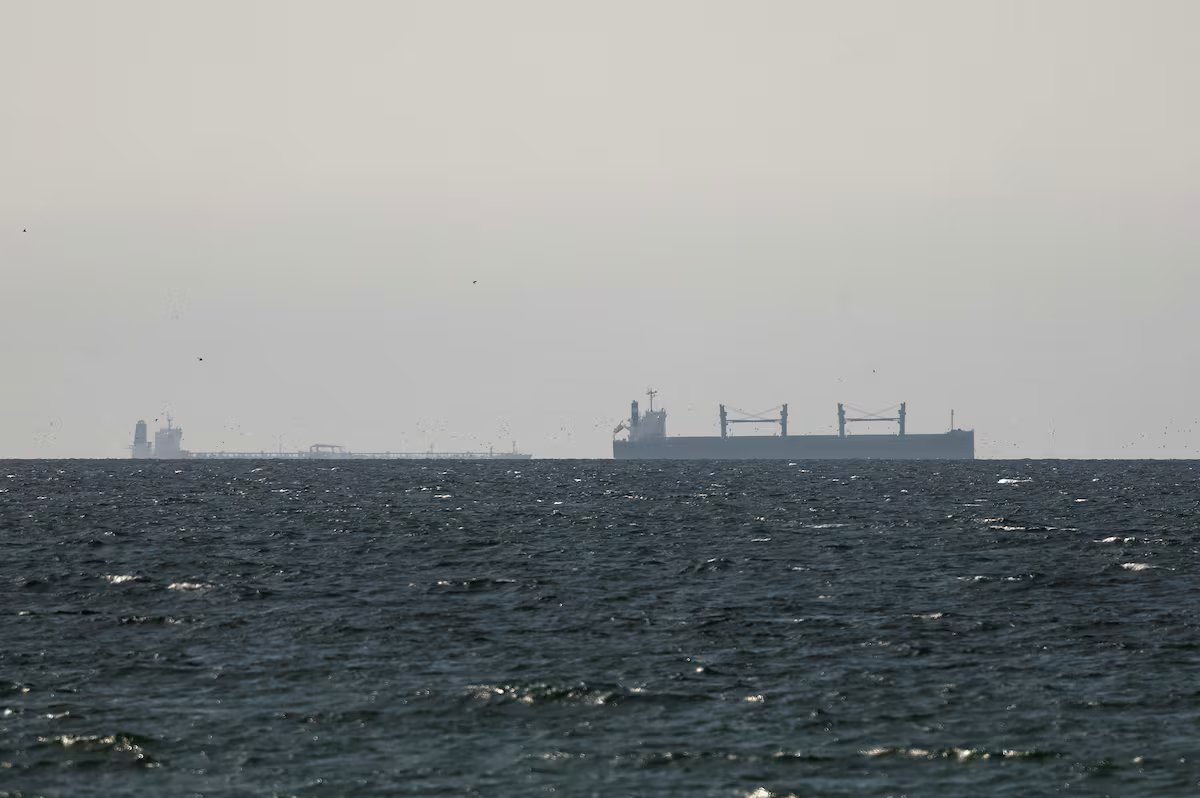
Never before has the world been so close to a blackout. In just three weeks since Iran closed the Strait of Hormuz, through which a fifth of the world’s oil and gas passes, the blockade has already become “the greatest threat to global energy security in history,” according to Fatih Birol, executive director of the International Energy Agency (IEA), in remarks to EL PAÍS, and in line with a statement published by the agency this Friday.
Birol’s statements come in the same week that the IEA, coordinator of the strategic petroleum reserves of 32 industrialized countries, has begun to gradually release 400 million barrels in the largest intervention in history. But not even this unprecedented rescue operation has managed to halt the escalation: oil continues to rise and closed the week just below $110 a barrel, 50% higher than before the conflict began.
The surge in crude oil prices is so dramatic that it’s already translating into double-digit increases in gasoline and diesel prices in countries like Spain, to the point that the government approved a tax cut on fuels, electricity, and gas this Friday. But the outlook is even bleaker, warns Birol: delivery delays have already removed more oil from the market than either of the two energy crises of the 1970s, which lasted for months and led to recessions and even global rationing.
“During the supply shocks of the 1970s, 1973 and 1979, a total of 10 million barrels per day were lost. In the current crisis, the loss of oil supply has already reached 11 million barrels per day. So the current reduction is greater than that of the two oil shocks we experienced in the 1970s,” Birol explains.
A clear indicator of the shortage is the drop in crude oil and condensate stored on ships, one of the sector’s main operational reserves: nearly half has been consumed in just three weeks of conflict, according to data from the maritime trade analysis firm Vortexa. Furthermore, a third of what remains belongs to Iranian entities and is therefore subject to U.S. sanctions.
Regarding gas, Birol adds, the supply cut is double that caused by the blockade of Russian exports after the invasion of Ukraine in 2022. Although Europe is less dependent on the Strait of Hormuz, prices are still rising: Asian countries that do import via that route are looking for alternatives and driving up prices.
Natural gas contracts in the Netherlands, the main European benchmark, have already doubled since the start of the war. Birol also points to the impact of the closure on fertilizer supplies. A third of the world’s fertilizer passes through the Strait of Hormuz, a direct result of the region’s gas production, the main input for fertilizers like urea. “If the disruption continues, we will soon see spillover effects on commodity and food prices,” says the IEA chief.
With each passing day, the situation worsens and the possibility of recovery recedes. Even if the conflict were to end and the strait reopened, it would take months to reactivate the oil and gas fields that have been shut down or damaged, as clearly illustrated by the closure of Qatar’s Ras Laffan natural gas production facility, responsible for more than 10% of global supply, which was attacked by Iranian drones in the first week of the conflict.
“The damage to the Ras Laffan complex in Qatar is beginning to look like a much more serious blow to the global liquefied natural gas market than a simple temporary disruption… For energy markets, the disruption points not only to firmer prices but also to more fragile supply prospects well into 2027,” warns the commodities analysis firm Kpler. The biggest threat has only just begun.
Sign up for our weekly newsletter to get more English-language news coverage from EL PAÍS USA Edition
