
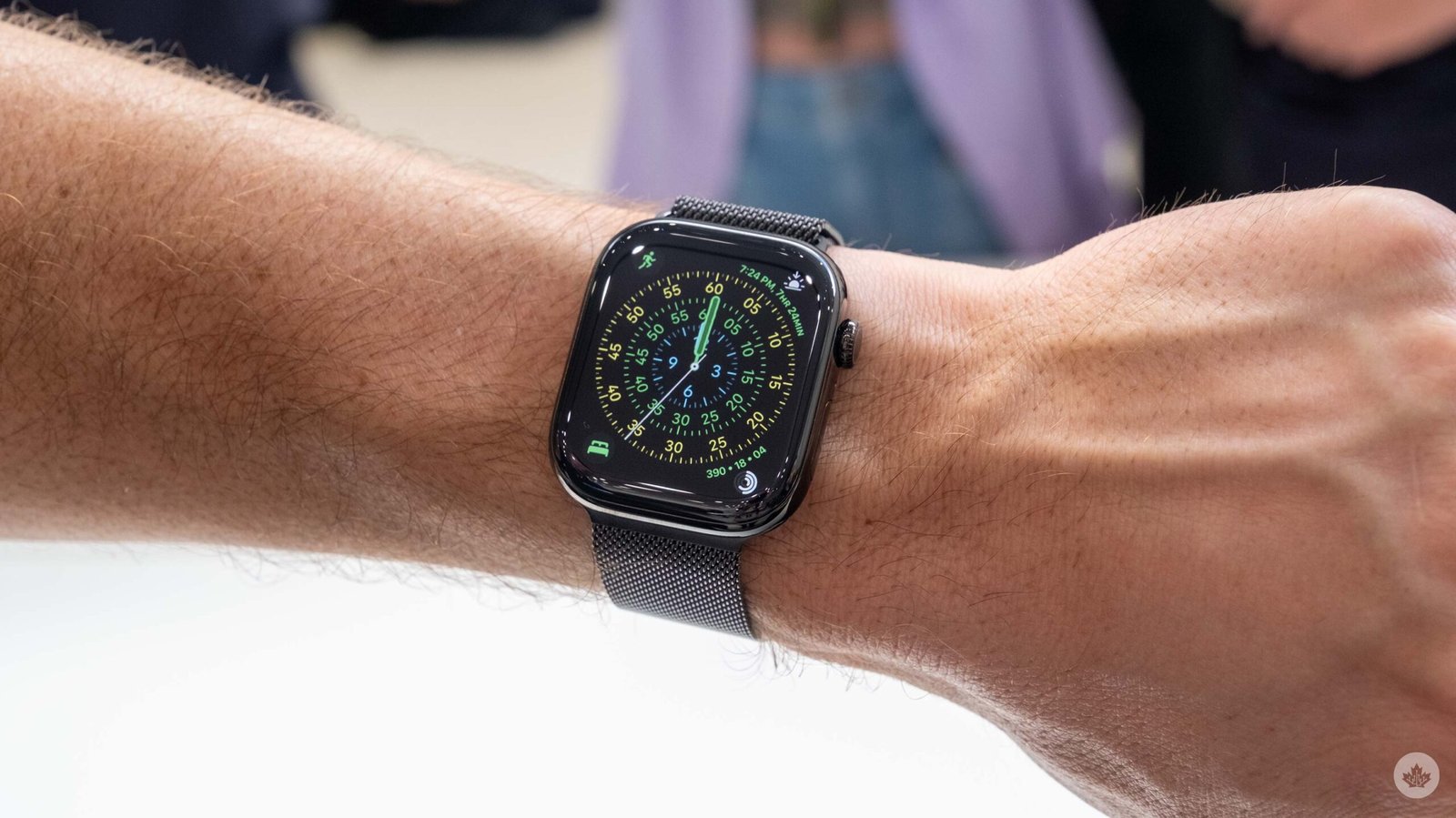
A new Canadian study examines how smartwatches like the Apple Watch can help address heart failure.
Published by Nature Medicine and led by researchers at Toronto-based UHN’s Peter Munk Cardiac Centre, the study shows how “smartwatch data can reliably monitor daily cardiopulmonary fitness in people living with [heart failure].”
In the study, 217 people with heart failure were given Apple Watches as they went about their daily lives, with researchers capturing data like heart rate, physical activity, and oxygen saturation levels over a three-month period. Using a UHN-developed and externally validated AI model, the research team analyzed patterns in the data to estimate cardiopulmonary fitness. In addition to contributing 200 Apple Watches and iPhones, Apple also provided feedback and collaborated with the researchers to develop a special mobile app for the study.
Overall, the study found that a drop of 10 per cent or more in daily cardiopulmonary fitness was linked to more than three times the risk of unplanned health care use, such as hospitalization or urgent treatment. For that reason, the researchers praised the Apple Watch for its health feature that tracks cardio fitness levels, which can help encourage users to adopt healthier lifestyles.
“The study suggests that monitoring with everyday devices like smartwatches could help identify real-time changes in health without additional tests or added effort from patients, potentially enabling earlier follow-up and more responsive care,” writes UHN.
The network notes that this is especially important since heart failure affects approximately 64 million people worldwide and is one of the most frequent and costly reasons for hospital admission in Canada. In fact, the Canadian Institute for Health Information (CIHI) reports that heart failure consistently ranks among the top five causes of hospitalization nationwide.
It should be noted that the Apple Watch has been credited with helping save lives. In 2024, a Nova Scotia man said his Apple Watch warned him that he had an irregular heart rhythm, also known as atrial fibrillation, which led him to seek medical attention and discover one of his arteries was fully blocked. Other stories have noted that the watch helps with fall detection and identifying blood clots. And on a personal level, it’s worth mentioning that the Apple Watch Series 10 helped diagnose me with severe obstructive sleep apnea.
More information on Apple Watch’s health features, including cardio fitness tracking, can be found on Apple’s website.
Source: UHN Via: iPhone in Canada
