
OTTAWA — Nova Scotia’s highest trial court has struck down the province’s sweeping summer 2025 ban on entering the woods.
Nova Scotia Supreme Court Justice Jamie S. Campbell found in a decision released on Friday that the wildfire season activity restrictions unduly limited the Charter-protected mobility rights of Nova Scotians to “move freely around the province.”
Campbell said in
that there was no evidence of forethought of how the ban would affect the Charter rights of Nova Scotians, making it impermissible on administrative grounds.
“There was no evidence in the record… there was any consideration given to mobility rights, how the ban could limit those rights and how the ban could be drafted in a way to to minimize (those) limitations,” wrote Campbell. “As a matter of administrative law, the travel ban was unreasonable.”
Campbell qualified that his objection was to the way the ban was proclaimed, not necessarily the ban itself.
“A travel ban in the woods may have been an entirely justifiable limitation on mobility rights given the extraordinary circumstances that presented themselves in the summer of 2025,” he wrote. “But the Minister had to have considered that before the proclamation was issued.”
Then-natural resources minister Tory Rushton
placed extensive restrictions on
travel and recreation in wooded areas on Aug. 5, after weeks of dry, hot weather created an extreme wildfire risk. The near-total ban made the woods off-limits for hiking, trail running, camping and other recreational activities. The ban was mostly lifted on Sep. 18 with some areas remaining closed until Oct. 15.
Premier Tim Houston
that the penalty for violating the order would be $25,000.
The
quickly sparked criticism across Canada, including
from some conservative politicians
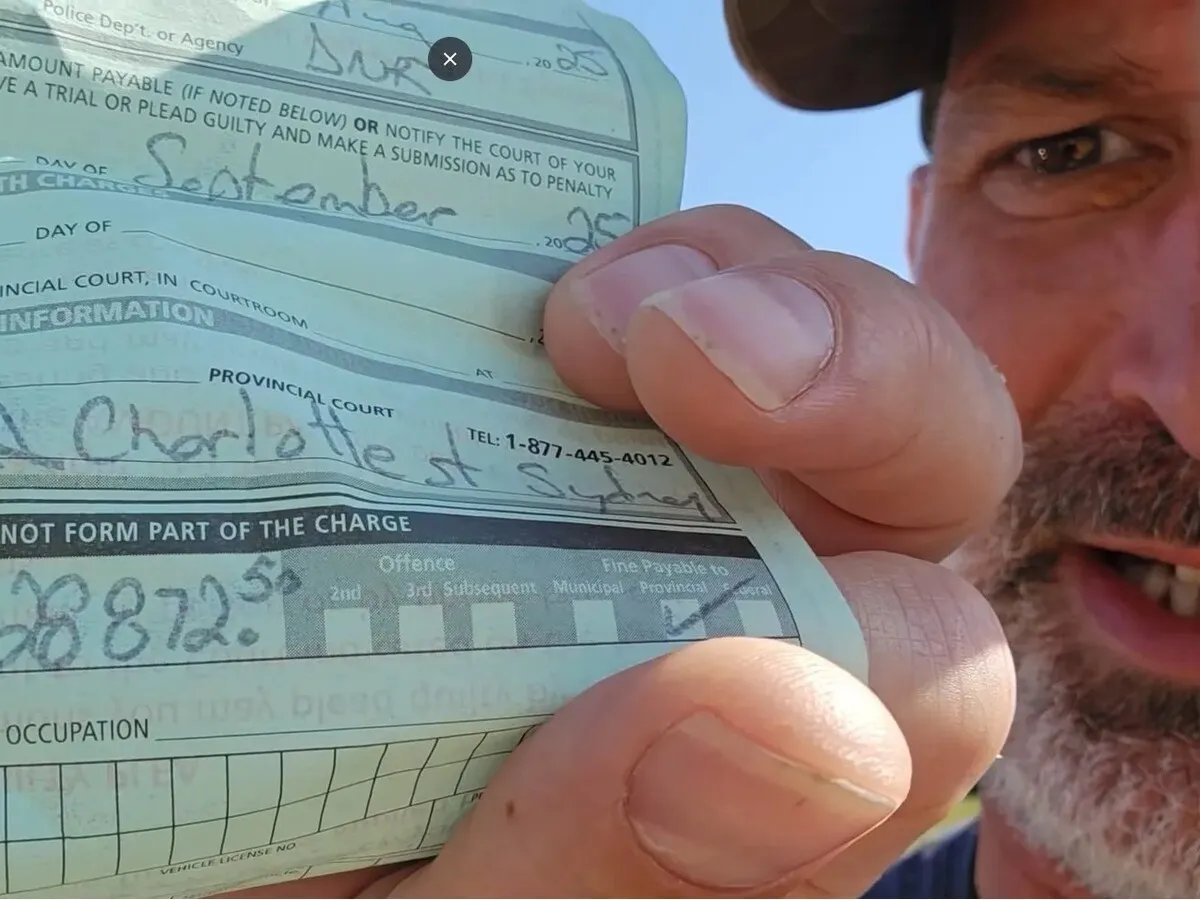
. One of its most visible opponents was Canadian Armed Forces veteran Jeffrey Evely,
who videotaped himself defying the ban
on August 8. Everly was handed a
$28,872.50 fine for the stunt.
Evely was one of the plaintiffs in Friday’s decision, joined by civil rights group the Justice Centre for Constitutional Freedoms (JCCF).
Campbell also criticized the government for not communicating more clearly which areas and activities were off limits.
“The case has been decided on other grounds. Had it not been, there is a compelling argument that the ban was so vague as to be incapable of being interpreted at all,” wrote Campbell.
The ruling didn’t direct the government to take any action, since the order has already expired.
JCCF litigation director Marty Moore said the ruling reaffirms governments must respect personal freedoms, even during emergencies. The organization also expected the decision to lead to Evely’s fine being invalidated.
“We hope this judicial rebuke will lead to more reasonable decisions by the government of Nova Scotia in the future,” said Moore.
Inquiries to Rushton and the premier’s office weren’t immediately returned.
National Post
rmohamed@postmedia.com
Our website is the place for the latest breaking news, exclusive scoops, longreads and provocative commentary. Please bookmark nationalpost.com and sign up for our daily newsletter, Posted, here.
