
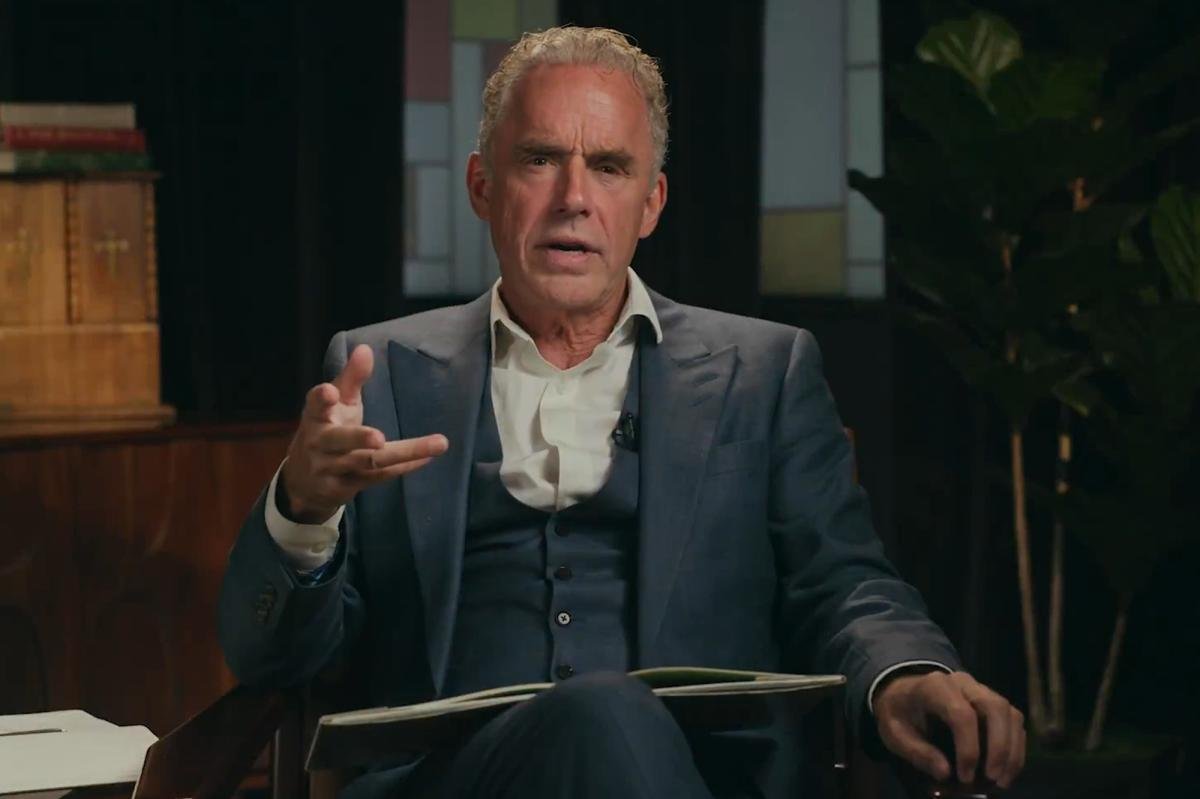
Jordan Peterson has revealed stunning details about his ongoing battle with akathisia, a devastating neurological condition he describes as ‘catastrophic.’ The clinical psychologist and bestselling author’s disclosure brings rare public attention to this debilitating movement disorder.
The New York Post recently published an in-depth explanation of Peterson’s condition, highlighting how akathisia developed following a neurological injury. The timing of this revelation adds another layer to Peterson’s already complex medical journey, which has captivated audiences worldwide.
Akathisia represents one of the most distressing neurological conditions affecting patients today. The disorder creates an overwhelming sense of inner restlessness paired with involuntary muscle movements. Those experiencing akathisia often describe feeling trapped in their own bodies, unable to find relief from constant, uncomfortable sensations that demand movement.
The condition typically manifests as an inability to remain still, with patients experiencing intense urges to pace, rock, or shift positions constantly. What makes akathisia particularly challenging is that the movements don’t provide actual relief – instead, they become compulsive responses to unbearable internal sensations.
Peterson’s description of his akathisia as ‘catastrophic’ reflects the severity many patients experience. The condition can severely impact daily functioning, sleep patterns, and overall quality of life. For someone whose career depends heavily on public speaking and intellectual engagement, such symptoms would prove especially challenging.
This latest health revelation follows Peterson’s well-documented struggles with prescription medication dependence, which led him to seek treatment in Russia several years ago. His family has been remarkably open about these challenges, with his daughter Mikhaila often sharing updates about his recovery journey.
The neurological injury that triggered Peterson’s akathisia hasn’t been fully detailed publicly. However, the connection between brain injuries and movement disorders is well-established in medical literature. Damage to specific brain regions can disrupt the delicate neural pathways controlling movement and sensation.
What’s particularly interesting about Peterson’s disclosure is the timing. As public discussions about neurological conditions become more mainstream, high-profile figures sharing their experiences can significantly impact awareness and research funding. Peterson’s intellectual platform gives him unique influence in shaping conversations around complex medical conditions.
The New York Post’s coverage emphasizes how little most people understand about akathisia, despite its devastating impact on those affected. The condition often goes unrecognized or misdiagnosed, leaving patients struggling without proper treatment or support.
Peterson’s transparency about his health challenges continues a pattern of vulnerability that has defined much of his recent public presence. Rather than hiding his struggles, he’s consistently chosen to share his experiences, potentially helping others facing similar battles.
For many following Peterson’s journey, this latest revelation adds context to his recent appearances and public engagements. Understanding the physical challenges he’s navigating while maintaining his professional commitments offers a different perspective on his resilience.
The broader implications of Peterson’s disclosure extend beyond personal sympathy. His platform reaches millions globally, making his health revelations powerful tools for medical awareness. When public figures discuss rare conditions like akathisia, it can accelerate research, improve diagnostic practices, and reduce stigma.
As Peterson continues managing this challenging condition, his openness serves multiple purposes. It humanizes a figure often seen through purely intellectual or political lenses while simultaneously educating audiences about a poorly understood neurological disorder.
The conversation around Peterson’s akathisia highlights broader questions about neurological health, medical transparency, and the responsibility of public figures to share their experiences. His willingness to discuss such personal medical challenges demonstrates remarkable courage in an era where health struggles often remain private.
Moving forward, Peterson’s experience with akathisia will likely continue influencing both his personal journey and his public discourse, offering valuable insights into living with rare neurological conditions.
