
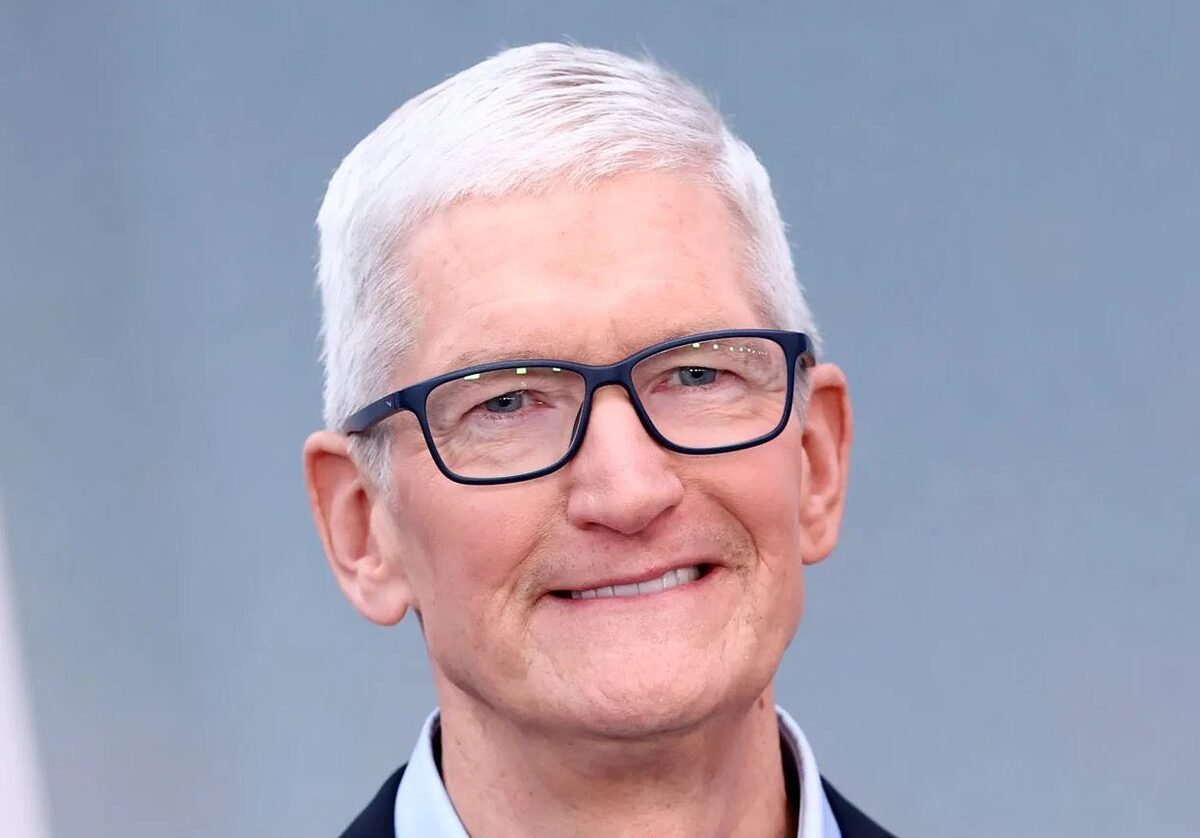
Tim Cook is stepping down as CEO of Apple after more than a decade leading the tech giant. The announcement sent shockwaves through the tech world and beyond, marking the end of an era for one of the world’s most valuable companies.
John Ternus, Apple’s current Senior Vice President of Engineering, will take over as CEO in September. The news broke through a PopBase tweet that quickly gained traction, racking up over 31,000 likes and 2,500 retweets as Apple fans and industry watchers processed the major leadership change.
Ternus isn’t exactly a household name outside tech circles, but he’s been a key player behind the scenes at Apple for years. As Senior Vice President of Engineering, he’s overseen the development of some of Apple’s most important products. His engineering background puts him in a unique position to guide Apple’s future product development and innovation strategies.
Cook took over as Apple CEO in August 2011, stepping into the enormous shoes left by company co-founder Steve Jobs. During his tenure, Cook transformed Apple from a primarily computer and iPod company into the diverse tech ecosystem we know today. Under his leadership, Apple launched the Apple Watch, expanded into services like Apple Music and Apple TV+, and saw the iPhone become the most profitable product in tech history.
The timing of this transition is particularly interesting. Cook has been hinting for years that he wouldn’t stay at Apple forever, often mentioning his desire to eventually step back from day-to-day operations. At 65, he’s been one of the older CEOs in Silicon Valley, and many industry observers have been watching for signs of succession planning.
Apple’s stock has performed incredibly well during Cook’s time as CEO. The company’s market cap grew from around $350 billion when he started to over $3 trillion at various points during his leadership. That’s a pretty impressive track record for any CEO to follow.
Ternus faces some significant challenges as he prepares to take the helm. The smartphone market has become increasingly saturated, and Apple needs to find new growth areas to maintain its momentum. The company has been investing heavily in areas like augmented reality, electric vehicles, and artificial intelligence, but none of these have yet become the next iPhone-level success story.
The engineering leader will also need to navigate an increasingly complex global political landscape. Apple’s manufacturing relationships with China and its App Store policies continue to face scrutiny from regulators around the world.
What makes this transition particularly smooth is that Ternus already knows Apple’s culture and operations inside and out. He won’t be an outsider trying to understand how the company works. That continuity could be exactly what Apple needs as it tackles its next phase of growth.
Cook’s departure doesn’t mean he’s disappearing entirely. While specific details about his future role haven’t been announced, many tech industry transitions like this include advisory or board positions that let the outgoing CEO stay connected without handling day-to-day operations.
For Apple fans, this news probably brings mixed emotions. Cook has been a steady hand guiding the company through tremendous growth and success. But change can also bring fresh perspectives and new ideas that push companies in exciting directions.
The September timeline gives both leaders several months to ensure a smooth handoff. That’s smart planning that should help minimize any disruption to Apple’s operations or upcoming product launches.
As Apple prepares for this major transition, one thing seems certain: the tech world will be watching closely to see how Ternus puts his own stamp on one of the world’s most influential companies.
