
– Ross McClean recounts the everyday life of a youngster who’s battling the demons tormenting him and coming to terms with a difficult family history
After presenting the world premiere of his short film, No Mean City (2025), in Visions du Réel, Northern Irish director Ross McClean is returning to the event with his feature film debut, Magilligan, which is competing in the International Feature Film Competition. The film’s protagonist, Ryan, whom the director met years ago and who inspired his short film Hidenbank, keeps ending up in prison as a result of his violent behaviour and drug addiction. Incarceration is almost second nature to Ryan, as if the two worlds – inside and outside of jail – were basically one and the same. When the outside world offers nothing but violence and confusion, can prison really be considered a punishment? Just like Ryan, Magilligan, the wonderous Londonderry peninsula in Northern Ireland where the film is set, also hides a painful history of conflict and is torn between breathtaking natural beauty and deeply devastating resentments.

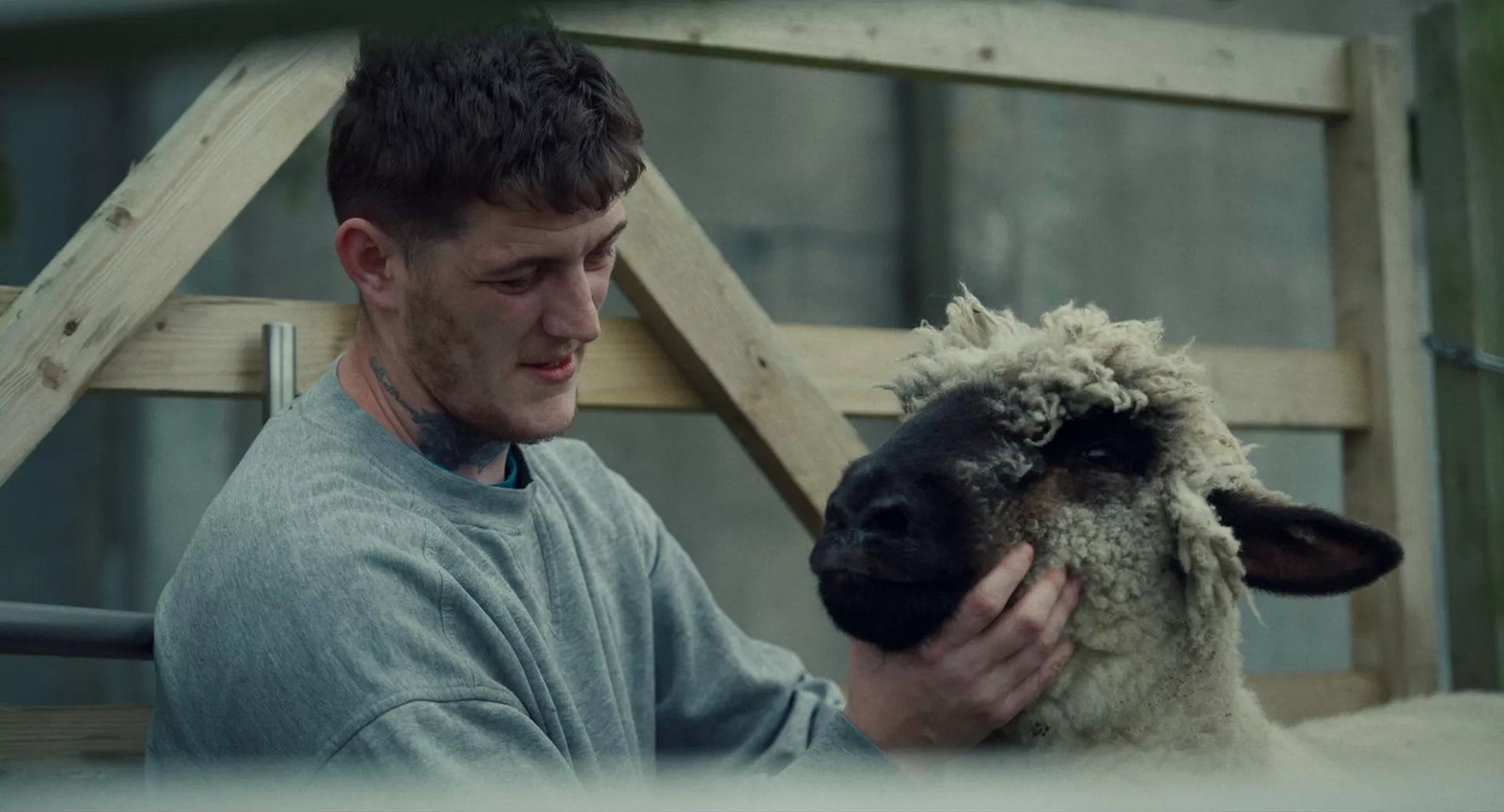
In some respects, Magilligan picks up the discourse initiated in Hidenbank, which was set within the walls of the prison where Ryan is serving a ten-year sentence. What interests the director, and what he expands upon in his latest film, is the connection between the protagonist’s social and family environment and the confusion that’s suffocating his life. Although his relationship with his father isn’t ever explored directly, the film makes clear that the education he gave his son, based on violence and “not letting anyone walk all over you” in an endless conflict between “us” and “others”, has influenced Ryan’s choices in life. Despite endlessly wrestling with the demons which torture him both inside and outside of prison, and thanks to a rehabilitation programme organised by the prison which sees him tending to sheep, the protagonist begins to feel the affection which has always been lacking in his life. They allow him to forge his first ever deep and selfless relationship based on respect and tenderness. His face quite literally transforms when he observes and caresses his sheep, showing us what’s hiding behind the armour he’s erected. What if real freedom, the kind which allows us to combat social determinism, resided in our ability to feel genuine affection for another living being? What’s clear is that, thanks to his film, the director provides Ryan with a space to reflect, to feel new emotions, and to imagine, albeit tentatively, a different life.
Continually alternating between inside and outside the prison walls, the film shows the extent to which Ryan’s prison is more mental than physical and how difficult it is for him to distance himself from a family history marked by violence, suffering and addiction (alcohol for his father and drugs for him). Accompanied by the director’s patient and respectful eye, which captures each and every expression, and the new emotions Ryan doesn’t (yet) allow himself to feel, the protagonist of Magilligan struggles to break away from what he describes as “his DNA”. Without minimising or justifying what Ryan has done, Ross McClean tries to pinpoint the reasons for his anger in order to free him from the fog in which he’s trapped.
Magilligan was produced by Nightstaff, Here and Elsewhere and Little Rose Films.
