
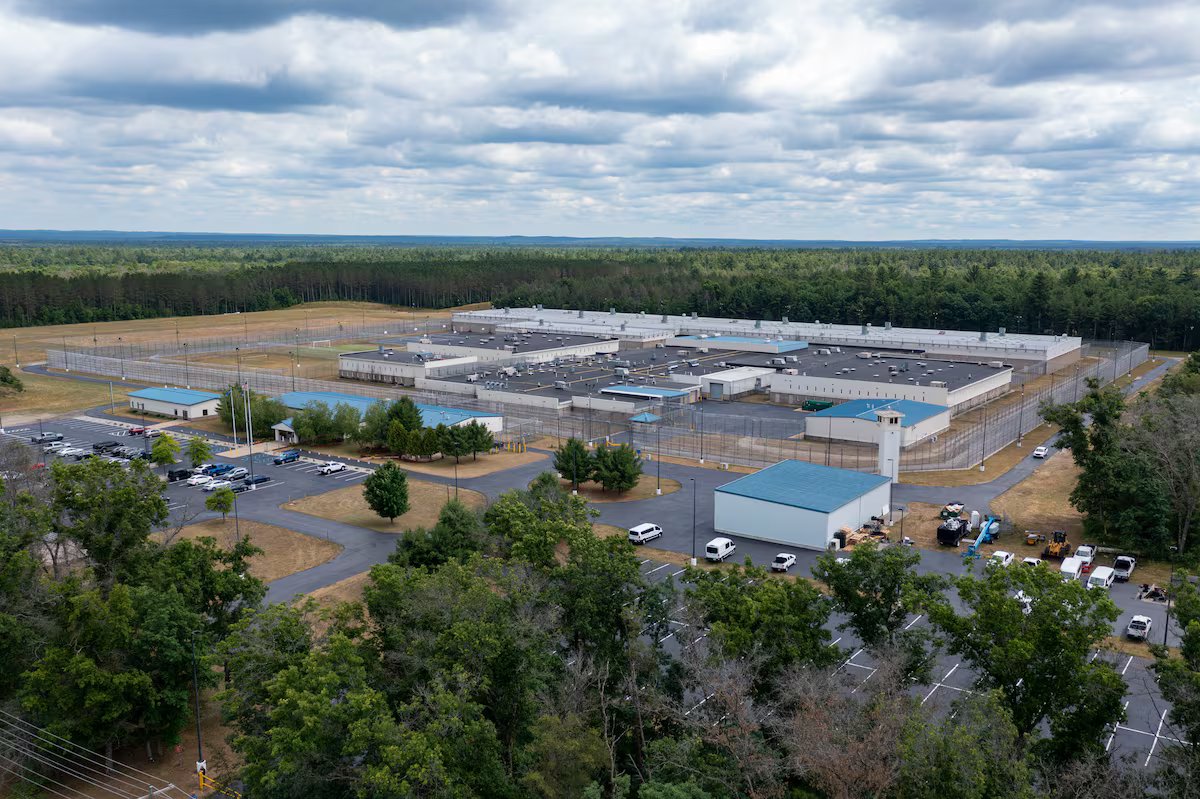
Information about what is happening inside the North Lake Processing Center in Baldwin, Michigan — the largest immigration detention center in the Midwest — depends on who is telling the story. According to civil society organizations and detainees inside, hundreds of detainees have gone on a hunger strike in protest of the “inhumane” conditions. For the federal government, however, no such strike is happening, and the center meets — and even exceeds — the standards of other prisons in the country.
The conflict erupted early last week. According to multiple advocacy groups such as No Detention Centers in Michigan, it involves hundreds of people at the detention center operated by the private company GEO Group. The protest centers on three main demands: inadequate medical care, poor food, and prolonged delays in their immigration proceedings.
The testimonies describe an environment of uncertainty and isolation. Ahmad Alnajdawi, a detainee originally from Jordan, explained in a message shared by activists: “We have no answers to our questions, and everyone here has questions. They cannot talk to the case managers; they cannot talk to ICE officers; they cannot talk to anyone.” Regarding the conditions, he stated: “The food here is pitiful. I want the people outside to know they’re treating us like animals.”
Other accounts confirm the deterioration of medical care. A former detainee stated that there are people with serious illnesses going untreated, while organizations such as the ACLU of Michigan and the Michigan Immigrant Rights Center claim to have documented for months “life-threatening delays and denials of care, lack of follow-up care after hospitalization, and denial of prescription drugs or requiring payment in order to receive necessary medications.” In some cases, they add, detainees have had to “beg staff, sometimes for hours, to provide medical care.”
These complaints are not new. In the 10 months since the center opened as an immigration facility, lawyers and family members have reported similar problems, including spoiled or insufficient food. The death in December of Nenko Gantchev, a 56-year-old man from Bulgaria, heightened concerns about medical care within the center.
In light of this situation, civil society organizations have called on Congress to intervene directly. They are demanding an independent medical audit, oversight visits, and formal responses from ICE regarding conditions at North Lake. “North Lake’s conditions and practices fall dangerously short of both constitutional mandates and federal standards, and we are calling for an immediate independent investigation,” said Loren Khogali, executive director of the ACLU of Michigan. The concern extends beyond a single facility: the groups warn of structural problems within the immigration detention system.
Activists also report that many people remain in detention for months without clarity about their cases, in a system that is already overwhelmed: the Detroit immigration court alone has more than 30,000 pending cases. Furthermore, they criticize the rise in bond denials. Miriam Aukerman of the ACLU warned: “This sudden, unexplained spike in bond denial rates raises questions about whether noncitizens are getting fair hearings.”
However, the Department of Homeland Security (DHS), which oversees ICE, has rejected all the allegations. In multiple statements, the agency has insisted that there is no hunger strike at North Lake. “There is no hunger strike at the ICE North Lake Processing Facility,” a spokesperson said in a statement. It also denied the poor conditions: “Any claim that there are subprime conditions at the North Lake facility in Baldwin, Michigan, is false.”
According to DHS, detainees receive “three meals a day, clean water, clothing, bedding, showers, soap, and toiletries,” as well as access to medical care, phone calls, and legal counsel. It even went so far as to claim: “In fact, ICE has higher detention standards than most U.S. prisons that hold actual U.S. citizens.” In another controversial statement, the government claimed that “being in detention is a choice,” noting that migrants can choose to leave the country through “self-deportation” programs.
GEO Group, the company that operates the center, also defended its services, highlighting that there is constant access to medical care, legal and family visits, and diets approved by specialists. However, when media outlets asked directly about the hunger strike, the company asserted that its facilities comply with federal standards.
As the two accounts diverge, protests have already broken out outside the facility in solidarity with the detainees.
Sign up for our weekly newsletter to get more English-language news coverage from EL PAÍS USA Edition
