
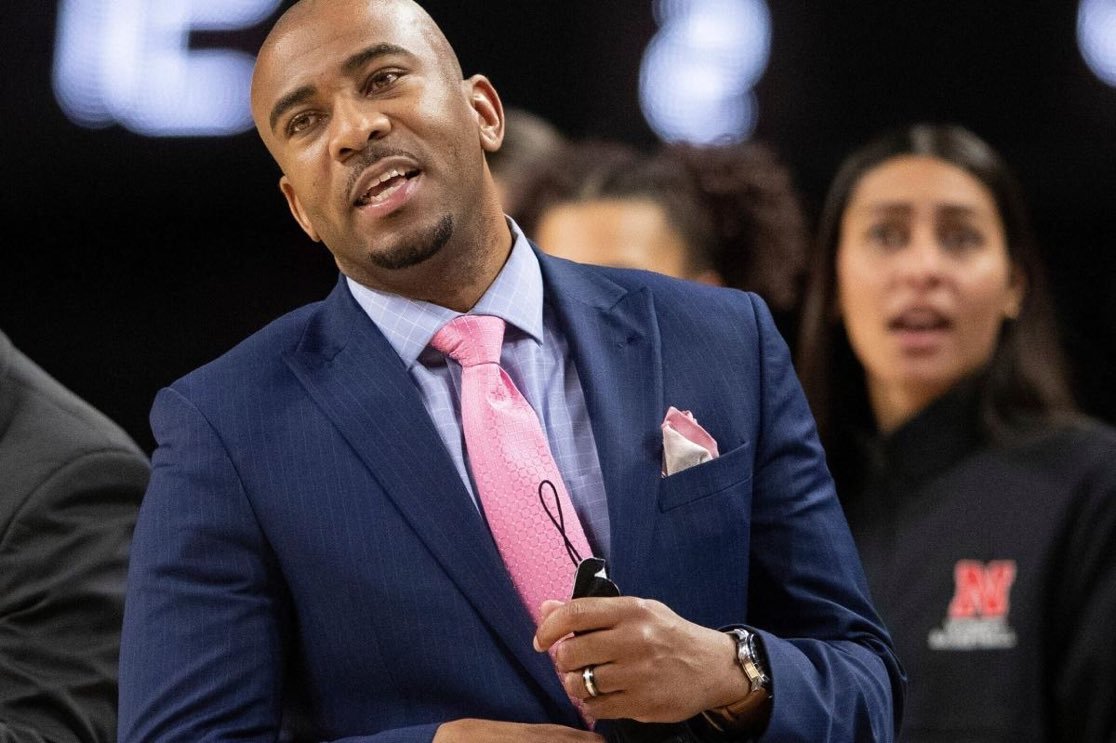
A former University of Nebraska women’s basketball assistant coach Chuck Love admitted to having sexual relations with a player. The confession has sent shockwaves through college athletics and sparked intense debate about power dynamics in sports.
The story broke when DailyLoud shared the news on social media. The post quickly gained massive traction, racking up over 13,000 likes and hundreds of retweets. That level of engagement shows just how much this story resonates with people who follow college sports.
This isn’t just another coaching scandal. It hits at the heart of what makes college athletics so complex. You’ve got coaches in positions of authority over student-athletes who depend on them for playing time, scholarships, and career opportunities. When those lines get crossed, it creates a mess that goes way beyond just breaking rules.
The NCAA has strict guidelines about relationships between coaches and players. These rules exist for good reason. Student-athletes are in vulnerable positions, often far from home and relying on their coaches for guidance both on and off the court. The power imbalance makes any romantic or sexual relationship problematic, regardless of whether both parties think they’re consenting adults.
For Nebraska’s women’s basketball program, this creates a serious headache. The Cornhuskers have worked hard to build their reputation in women’s college basketball. Now they’re dealing with questions about what they knew and when they knew it. Did the program have proper oversight? Were there warning signs that got missed?
The timing couldn’t be worse for college athletics as a whole. Programs across the country are already dealing with increased scrutiny over everything from NIL deals to transfer portal madness. Adding sexual misconduct allegations to that mix just makes everything more complicated.
What makes this story particularly striking is how it demonstrates the ongoing challenges in women’s sports. Female athletes often face different pressures than their male counterparts. They’re fighting for recognition, resources, and respect in a sports landscape that still heavily favors men’s programs. When coaches abuse their positions, it can devastate not just individual players but entire team cultures.
The confession also raises questions about accountability in college coaching. How many similar situations have been swept under the rug? How many coaches have crossed ethical lines without facing consequences? The fact that this particular coach admitted wrongdoing is unusual in a field where people typically lawyer up and deny everything.
For the player involved, this situation is undoubtedly traumatic. Being in a relationship with a coach while trying to focus on basketball and academics creates impossible conflicts. Even if the relationship felt consensual at the time, the power dynamics make true consent nearly impossible.
The social media reaction shows how much fans care about these issues. People aren’t just clicking and moving on. They’re sharing, commenting, and having real conversations about what this means for college sports. That engagement suggests fans want better from the programs they support.
Nebraska will need to address this situation head-on if they want to move forward. That means reviewing their policies, improving training for staff, and probably making some tough personnel decisions. The university’s response will send a message about what they value more: protecting their reputation or protecting their student-athletes.
This story serves as a reminder that college athletics isn’t just about wins and losses. It’s about young people trying to grow up while pursuing their athletic dreams. When the adults in charge abuse their positions, it affects real lives in lasting ways.
The conversation around this case won’t end anytime soon. It should force every college program to take a hard look at their own policies and cultures. Because if it can happen at Nebraska, it can happen anywhere.
