
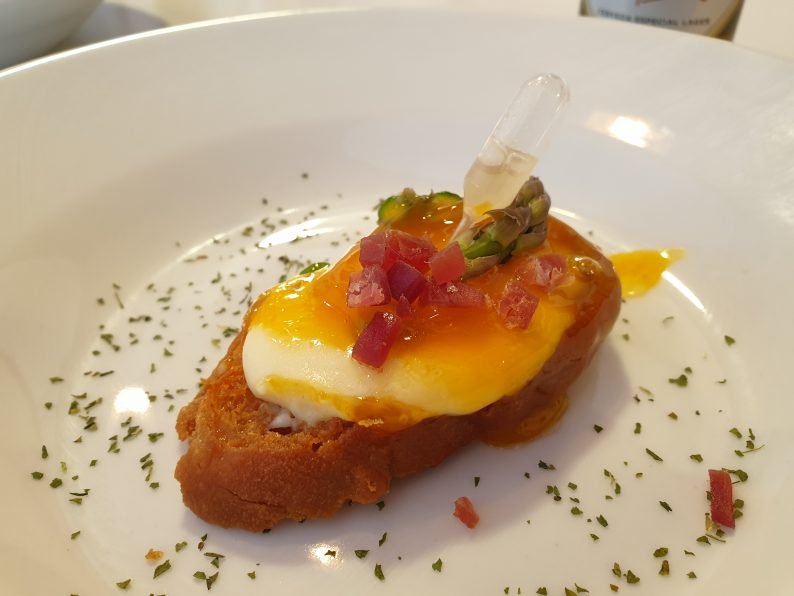
The UK’s food scene has changed massively over the last few decades, and honestly, it is for the better. We have moved away from that old, rigid way of eating where everyone sticks to their own individual plate. Instead, we have fallen in love with the idea of sharing. Nowhere is this shift more obvious than in the rise of the modern tapas bar. What used to be a nostalgic holiday memory for Brits coming home from the Costa del Sol has grown into a sophisticated staple of our high streets. These days, the best spots manage to blend authentic traditions with the fast-paced, vibrant energy of modern life in the UK.
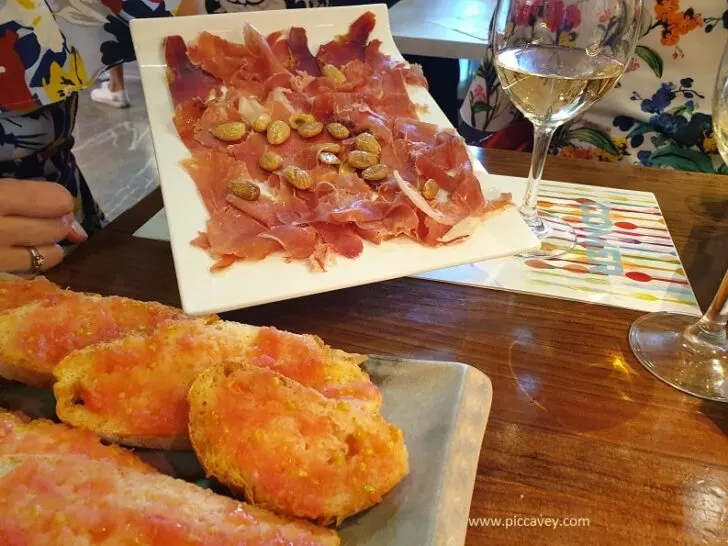
The journey of these small plates from the dusty taverns of Andalusia to the sleek counters of London is a story of cultural migration and culinary refinement. In its simplest form, a tapa was never actually meant to be a formal meal. Traditionally, it was a small snack, perhaps a slice of cured ham or a piece of cheese. Placed on top of a drink to keep flies away or to settle the stomach during a long evening of socialising. As this concept travelled north, it underwent a total metamorphosis. British diners began to embrace the variety and flexibility that this style of eating offered. This led to a demand for high-quality restaurant deals that allowed people to explore multiple flavours in a single sitting. Without the heavy commitment of a traditional three-course menu.
Beyond Basic Tapas
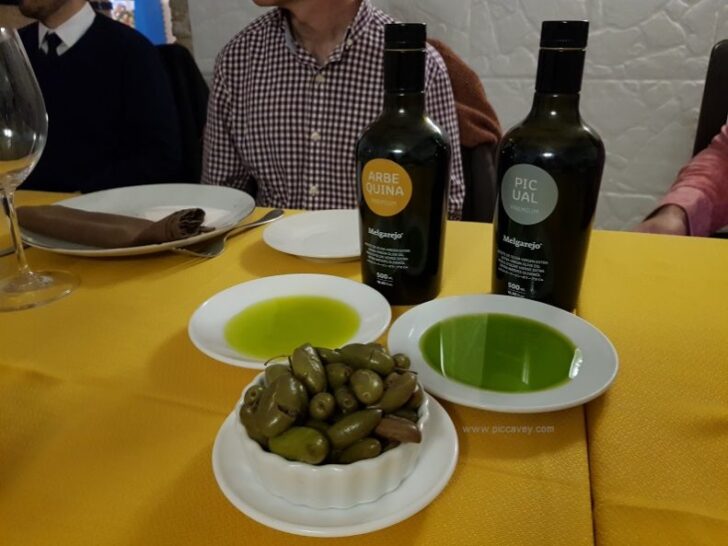
In the early days of Mediterranean food in the UK, the offerings were often a bit simplified. You might find basic bowls of olives or perhaps some deep-fried calamari, but the true soul of the cuisine was frequently lost in translation. However, as travel became more accessible and the British palate more adventurous, a new wave of restaurateurs began to appear. These were individuals who understood that the secret to great tapas lies entirely in the sourcing of the ingredients. They began importing specific varieties of pimentón from La Vera, hand-carved jamon ibérico, and extra virgin olive oils from ancient groves in Jaen.

Authentic Spanish Dishes in London
You can really see this focus on authenticity across London today, where so many spots are getting noticed for sticking to those traditional, honest flavours. For instance, Kendal Street Kitchen has built up a fantastic reputation for its welcoming vibe and consistently great food. It has become a real go-to for anyone wanting a genuine Mediterranean escape right in the middle of Paddington. Then you have places like Bellazul in Marylebone, which has been a hit thanks to a menu that feels sophisticated but totally relaxed, perfectly blending the best tastes of Italy, Spain, and Greece. These venues demonstrate how the UK has moved beyond mere imitation to creating spaces that feel like a true extension of the Mediterranean coast.
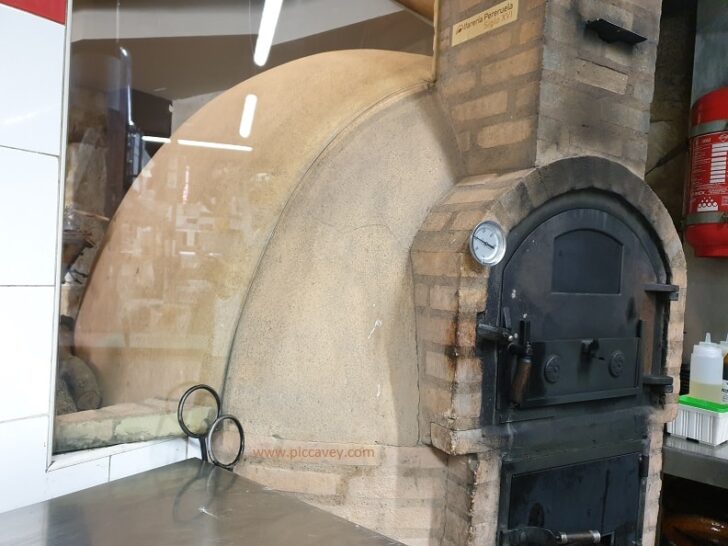
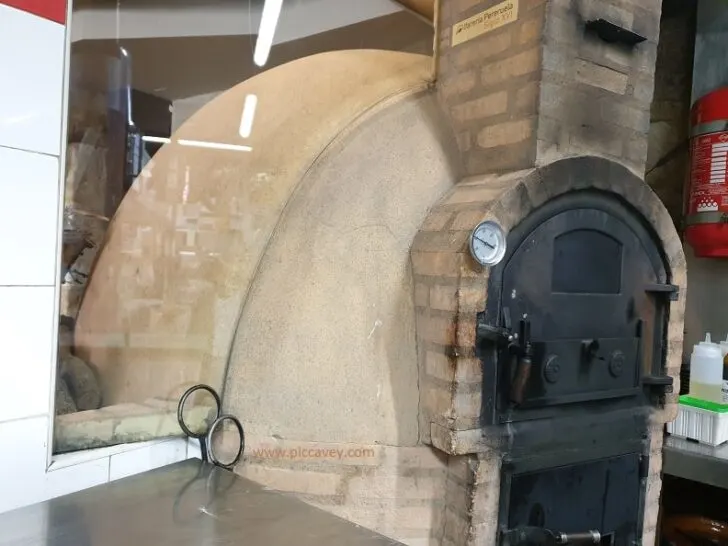
The architecture of the dining experience has changed quite a bit too. The modern tapas bar in the UK often mirrors the aesthetic of a Spanish market. High stools, open kitchens, and marble counters have largely replaced the formal white tablecloths of the past. This layout encourages a more visceral connection between the guest and the chef. Watching a chef blister padrón peppers over an open flame or slice thin ribbons of cured meat creates a sense of theatre that is central to the Mediterranean experience. It breaks down the barrier between the kitchen and the table, making the meal feel like a real collaborative event.
Local Produce, Spanish Recipes
Furthermore, the evolution of the tapas bar has been heavily influenced by the UK’s own incredible seasonal produce. While the techniques remain firmly Mediterranean, many of the best establishments now marry Spanish methods with British ingredients. We see Scottish scallops served with spicy sobresada, or Welsh lamb chops seasoned with rosemary and garlic in the style of the Castilian highlands. This fusion creates a dining experience that feels both authentic and rooted in its local environment. It is a dialogue between two cultures that results in something entirely new and exciting.
Sharing Plates – London Tapas Scene
Places like Bala Baya have received significant acclaim for their vibrant and fresh approach to sharing plates. They are often highlighted by critics for their energetic atmosphere and imaginative menus. In the bustling Soho district, Kapara is another standout that has been celebrated for its stunning décor and inventive dishes. This proves that the modern tapas and mezze movement is as much about the environment as it is about the food. Even specialised spots like Macellaio Roberto Costa in Clerkenwell show the diversity of the region. Focusing on the artistry of the butcher to bring a specific Italian flair to the Mediterranean table.
The social impact of this dining style is something quite special. In a digital age where many interactions feel fleeting, the tapas bar requires a certain level of real engagement. You have to negotiate which dishes to order, share from the same platters, and pace yourselves according to the flow of the kitchen. It is an inherently democratic way of eating. There is no such thing as food envy when everyone is sampling the same selection of dishes. This relaxed atmosphere has redefined what a night out looks like in the UK. We are moving away from the stiff formality of traditional dining toward a more fluid and joyous celebration of food and company.
Tapas Innovation
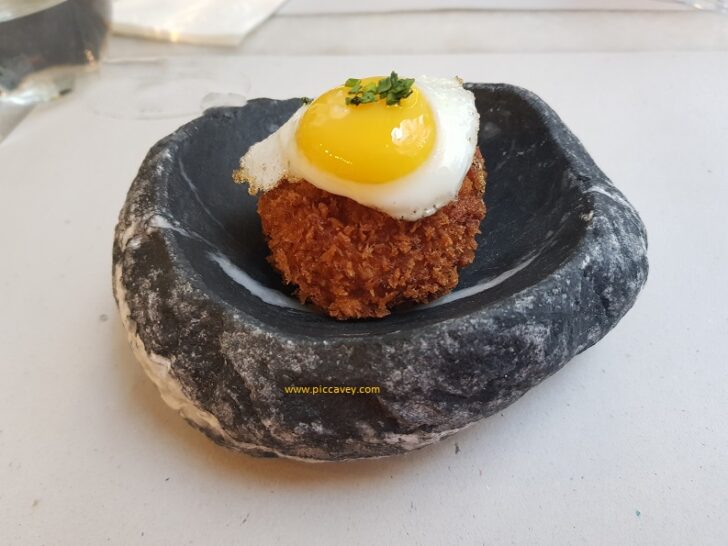
As we look at the current state of the industry. It is clear that the modern tapas bar has also become a leader in culinary innovation. Chefs are no longer afraid to experiment with different textures and temperatures. They are moving far beyond the classic patatas bravas to offer more complex creations. We now see chilled almond soups topped with frozen grapes. Or slow-braised ox cheeks infused with the deep, sweet notes of sherry. These dishes demonstrate a level of technical skill that rivals any fine-dining establishment, yet they are served in a setting that remains accessible and unpretentious.
Spanish Wines & Sherries
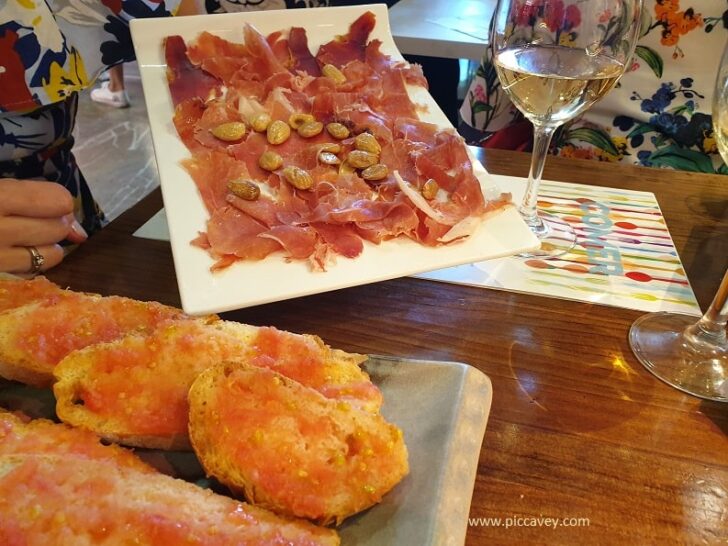
The growth of this sector has also been supported by a much wider appreciation for Mediterranean drinks. The UK has seen a huge resurgence in the popularity of dry sherries, which are the traditional accompaniment to tapas. Educated diners are now pairing a chilled Fino with salty almonds or a nutty Amontillado with aged Manchego cheese. This holistic approach to the meal, where the drink is just as considered as the food, is a hallmark of the modern evolution of the scene.
At the end of the day, the rise of the tapas bar in the UK is really about our search for something a bit more human and connected. It is about so much more than just the food on the plate. It is about capturing that specific feeling of warmth, generosity, and life. From the busy streets of London to coastal towns further north, the spirit of Andalusia has definitely found a permanent home here. By sticking to great ingredients, real conversation, and a laid-back vibe, these restaurants have managed to bring a bit of the Mediterranean sun to the UK. It just goes to show that some traditions really are universal.
