
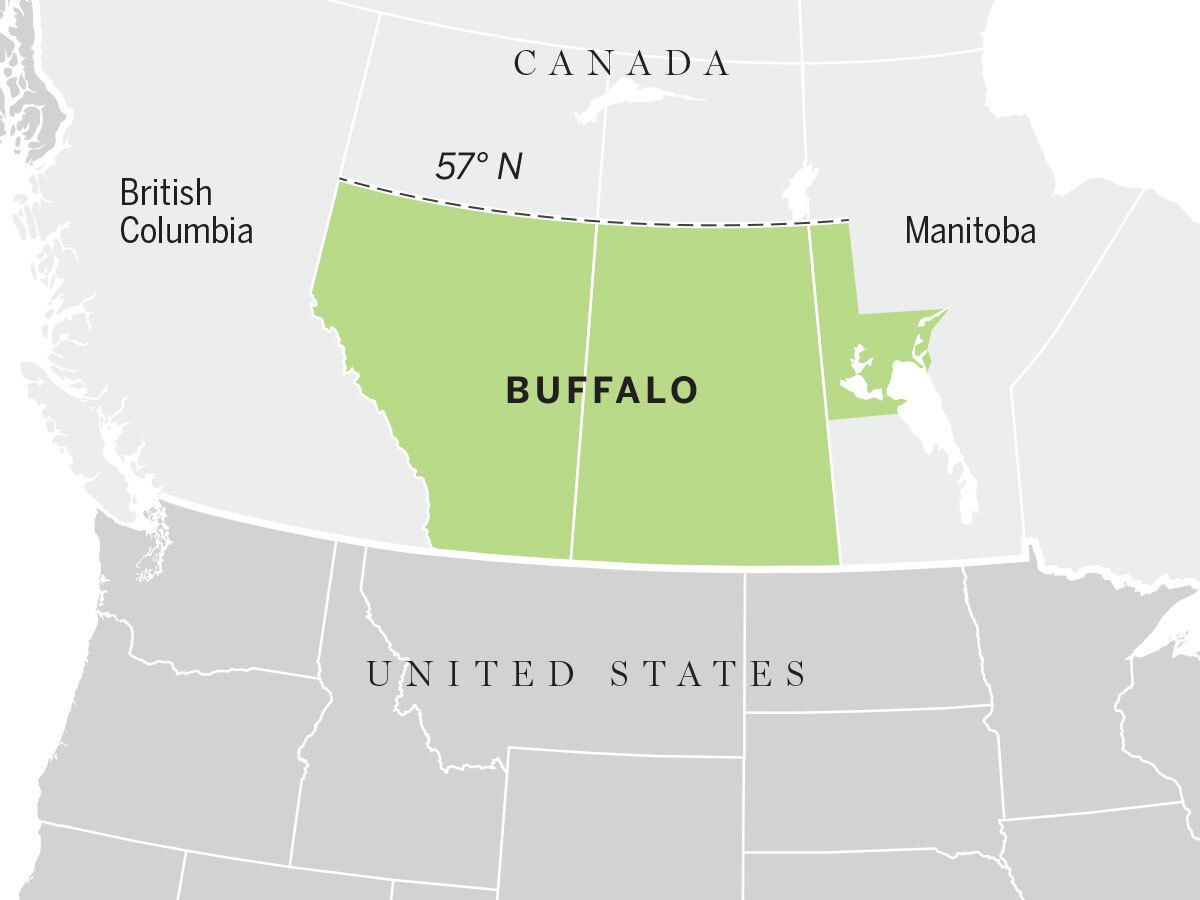
In 1904, as part of Canada’s campaign to populate the prairies, then-premier of the Northwest Territories Sir Frederick Haultain proposed establishing a new western province called Buffalo, comprising all of modern day Alberta and Saskatchewan.
With its remarkably flat landscape and fertile soils, Buffalo had the potential to become an agricultural powerhouse, and Haultain envisioned “one big province that would be able to do things no other province could.”
Liberal prime minister Wilfrid Laurier ultimately rejected Haultain’s proposal, and in 1905, the Canadian government instead scratched a ruler-straight line down the centre of the region, dividing the would-be province into two. Among the reasons for Laurier’s decision, according to historical accounts, was that he feared the province could become too powerful, perhaps falling under the leadership of the Conservative Haultain.
More than 120 years later, the Buffalo province that never was has become a key rallying cry for Alberta separatists, often referenced by those who are sympathetic to the Western independence movement. For many, Buffalo is a shining example of how Alberta has been systematically undermined by the Canadian federation that created it — established from the start as a kind of feeder system for Eastern coffers.
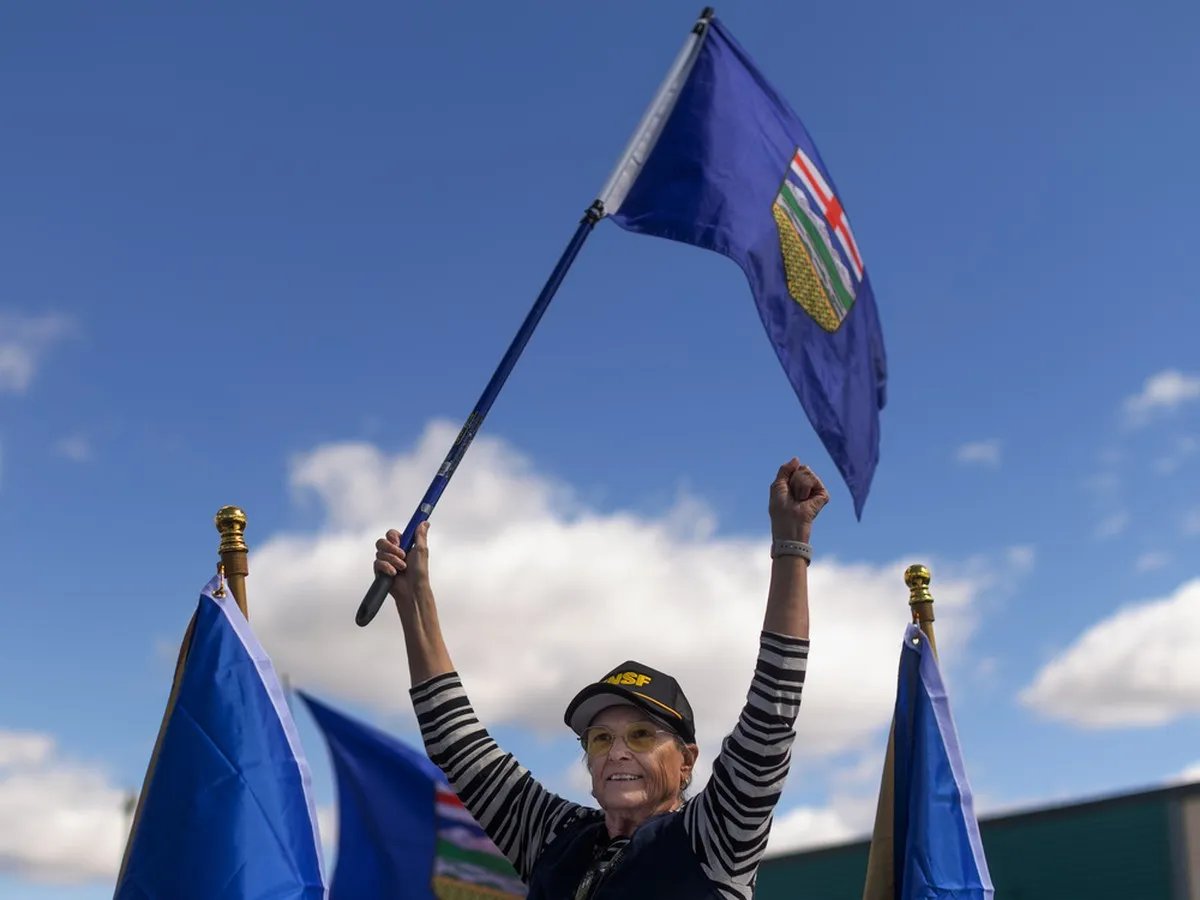
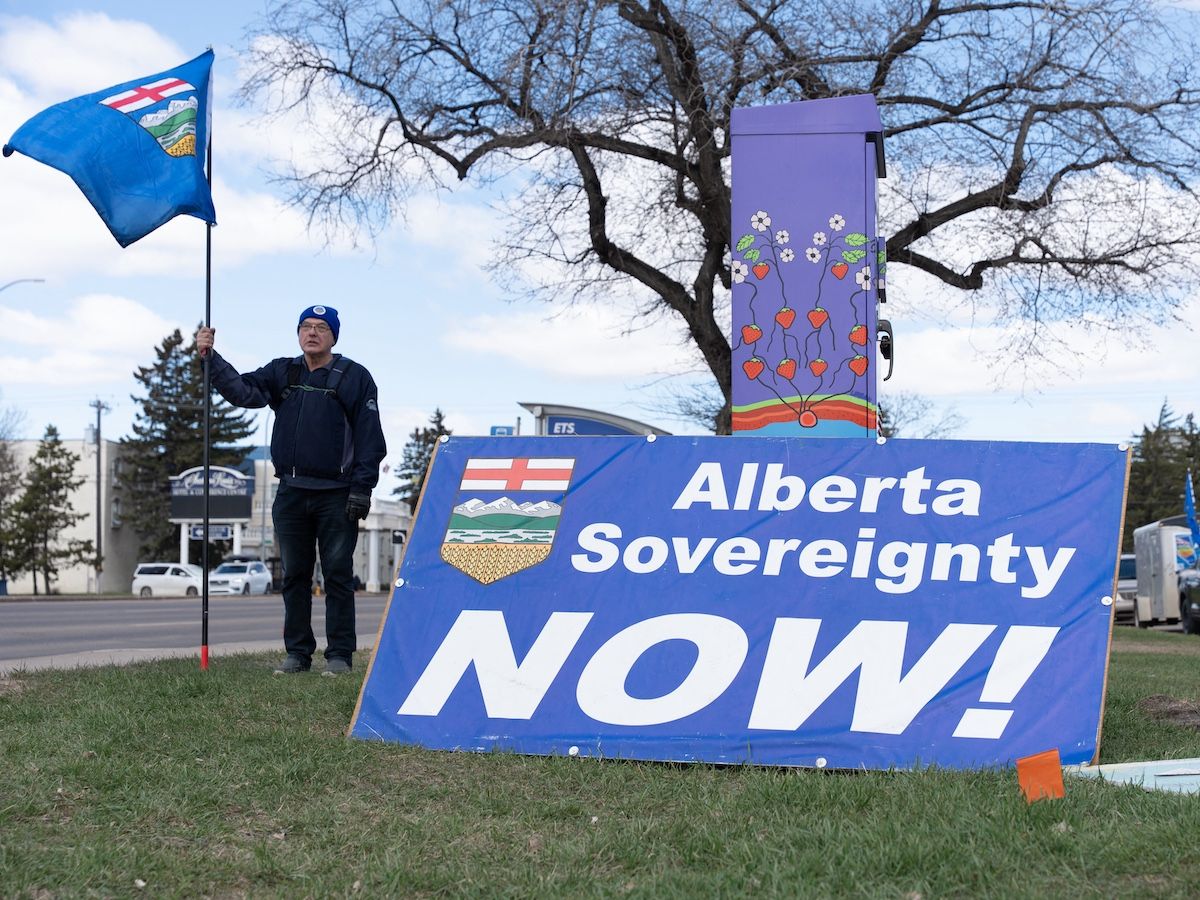
Today, Western separatist sentiments, both in Alberta and increasingly in Saskatchewan , are running at an all-time high, with observers saying they have surpassed their previous peak in the 1980s.
While most polls put support for separation at around 20 per cent of Alberta’s population, others have pegged it higher: A Pollara Strategic Insights survey last month found 27 per cent of respondents in favour of an independent Alberta. Crucially, another 15 per cent said they would vote “yes” to send a message to Ottawa. As the 2016 Brexit vote in the United Kingdom and the 1995 Quebec referendum result have shown, however, seemingly small minorities can quickly become majorities when galvanized under a charismatic leader or major historical event.
“Even 20 per cent is double what it was 20 years ago,” said Ted Morton, a former Alberta energy minister and early supporter of the federal Reform Party. “If we continue to be just a piggy bank for the Liberal Party, support for leaving will continue to go up.”
Morton said much of the anger comes after decades of failed efforts to reorient the Canadian federation more toward Western interests, from the Reform Party’s “the West wants in” campaign to successive bids by Alberta premiers to thwart Ottawa’s powers.
Western conservatives have sought to challenge the federal government on everything from energy policy to Senate reform — both in the courts and in the House of Commons — only to have those efforts widely rebuffed.
Their lack of discernible progress culminated with the 2015 election of Justin Trudeau, whose government was viewed by Westerners as, among other things, actively hostile toward the oil and gas sector. Between 2007 and 2022, Alberta taxpayers sent a net $244 billion to the federal government (total taxes paid minus money spent or transferred back to the province), according to the Fraser Institute. That was five times more than B.C. or Ontario, the only two other net contributors, paid over that same period.
“Despite everything my generation did — the Alberta baby boom generation, which I was in the middle of — our ‘West wants in’ initiative has failed,” Morton said. “I think we’re more vulnerable today to predatory and destructive federal policies than we were in the 1980s.”
The fruits of that discontent were visible earlier this week, when an organization called Stay Free Alberta officially submitted its petition to the province’s electoral office, saying it had collected just over 300,000 signatures from people who would like to see Alberta separate from Canada. That was well over the 177,000 signatures, or 10 per cent of the population, required to potentially force a referendum vote on the matter in October.
Elections Alberta still needs to verify the signatures — a process that has become highly politically fraught, and could take several weeks or months to complete.
In April, a judge issued an injunction forcing Elections Alberta to pause any signature verifications following legal complaints from three First Nations claiming the petition undermined their treaty rights. Last week, Elections Alberta also announced it was investigating a potential leak of its highly sensitive voter list in connection with the Centurion Project, a separatist group not directly tied to the petition.
If the referendum goes ahead in October, and if a majority of Albertans vote to leave, it would kick off negotiations between Alberta and the Crown to determine the terms of a potential separation.
While most observers believe that’s a remote possibility, some, including former premier Jason Kenney, have warned that the separatist movement could become a mainstay if “leave” votes rank high enough.
Mitch Sylvestre, head of Stay Free Alberta, said the referendum has a “flicker” of a chance of succeeding precisely because of what he views as Ottawa’s constant mistreatment of the West and widespread political corruption. In particular, he points to Alberta’s underrepresentation in the Senate, and bemoans an electoral map that regularly sees the prairie provinces represented by opposition members.
“Alberta has no voice in the Senate or in the House,” he said. “It doesn’t matter what we do, we have no voice. We’re underrepresented. The system is set up for us to fail.”
Alberta, with a population of five million, has just seven senators representing it, compared with 12 senators for New Brunswick, with a population of less than 900,000. Quebec, with a population of nine million, has 24 senators.
Pro-independence Albertans point to a suite of issues to justify the province’s separation from Canada. Many point to the hundreds of billions of dollars that the province has transferred to Ottawa over the decades on the back of its oil wealth.
Other issues include environmental policies aimed at choking off Alberta’s fossil fuel sector, the Liberal government’s firearms prohibition, out-of-control immigration rates and flagrant fiscal spending that has led to endless multi-billion-dollar deficits. Perhaps the most common complaint among separatists is their concerns over Ottawa restricting personal freedoms, most evident in their handling of the COVID-19 pandemic.
While the specific reasons behind separation are many, however, the separatists themselves are often united by one common idea: That their concerns will ultimately go unheard. The media often frames Alberta’s separatist movement as fueled by anger, but often the feeling among its supporters is something closer to a deflated weariness.
Cory Morgan, author of The Sovereigntist’s Handbook: Charting the course to Western independence, said that some disaffected separatists can at times wrongly identify an Eastern hostility that, while true in some contexts, often misses the broader point.
“Spend time in Ottawa and out East, and it’s not even that there’s a hostility towards the West, although I think some Westerners think there is one. It’s kind of worse than that. They don’t even think about the West, we’re not even a concern or a consideration.”
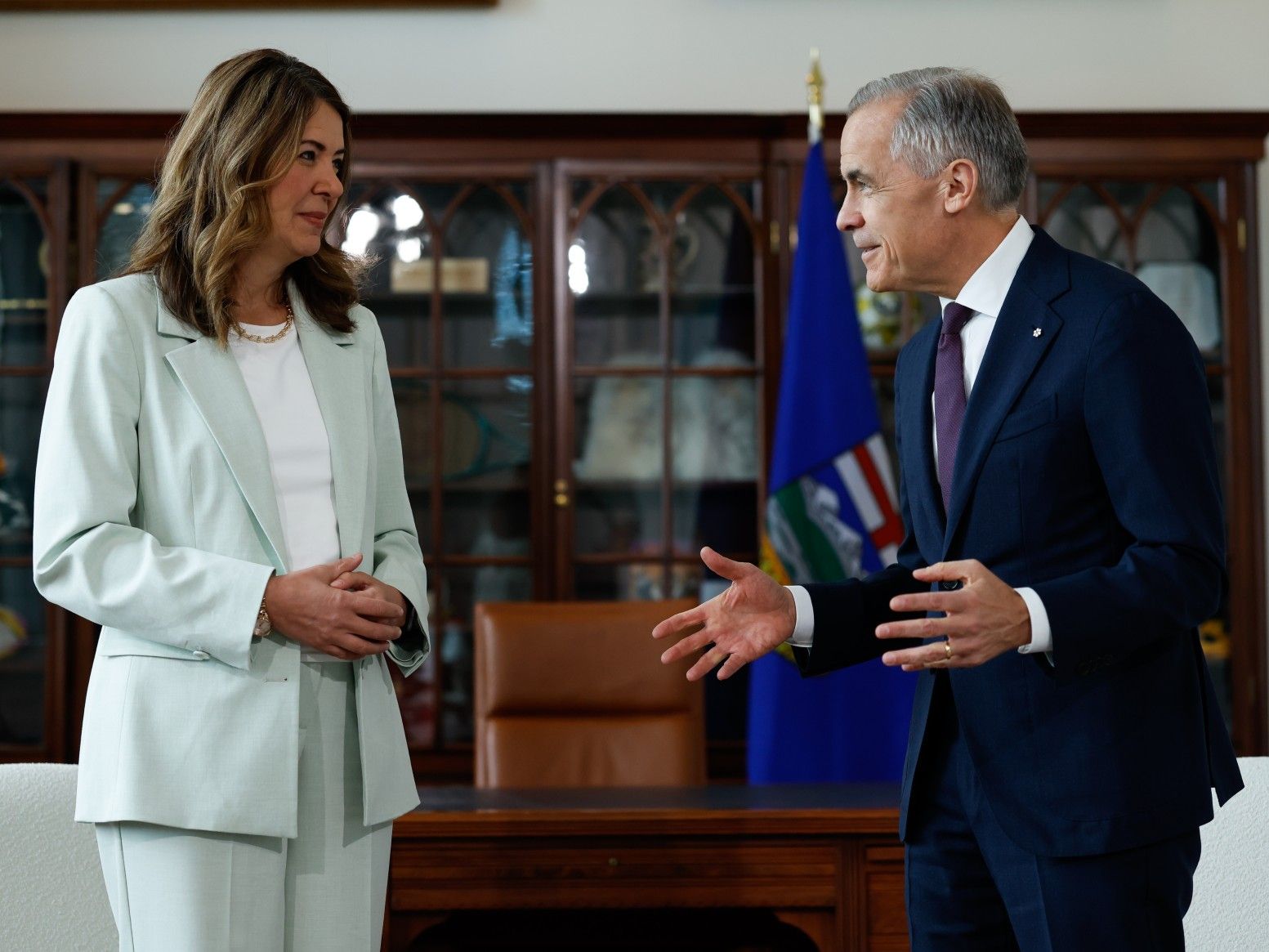
That lack of consideration has, in the eyes of separatist supporters, let Ottawa continue to reap the economic benefits of Alberta’s natural resources while neglecting to hear its voice.
In the more than a century since the province of Buffalo was split down the middle, Alberta in particular has become an economic powerhouse.
Its economic productivity (or, its GDP output on a per-person basis), has continued to outpace all other provinces, creating a major boon for the federal economy at a time when Canada is elsewhere plummeting into a genuine productivity crisis. As the U.S.-Iran war sends oil prices through the roof, a boom in Alberta’s royalties will likely see it sending an uncommonly high amount of cash to Ottawa, covering the bill for the economic laggards in Quebec and Atlantic Canada.
For Alberta separatists, that’s as clear a sign as any that the economy of the early 1900s no longer aligns with the realities of today.
“You can understand why they didn’t respect the West,” Morgan said. “It was only about three or four per cent of the national population. But things have changed, and that comes full circle to my frustration. We’re still working under a system that, in a lot of respects, reflects the values of 100-some years ago, when it was founded, rather than the much different dynamic today.”
Our website is the place for the latest breaking news, exclusive scoops, longreads and provocative commentary. Please bookmark nationalpost.com and sign up for our daily newsletter, Posted, here.
