
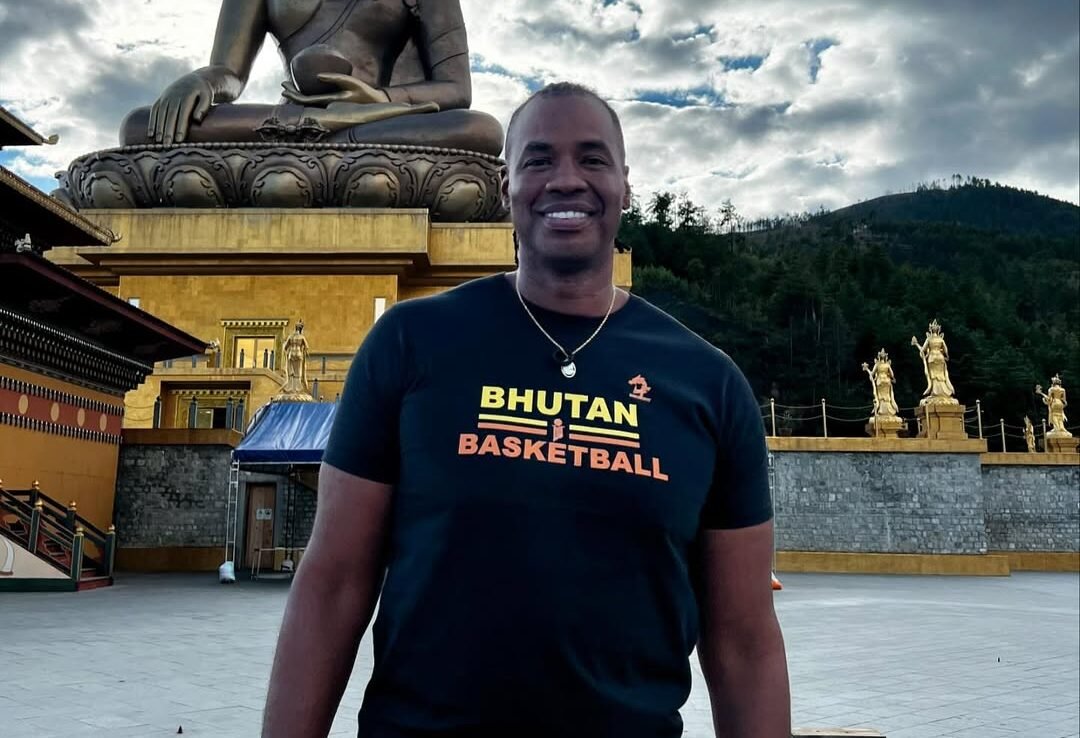
Jason Collins died on Wednesday from brain cancer. He was 47. The news landed with weight. Collins wasn’t just another NBA center who put in his time and moved on. He was the first active professional athlete in a major North American sport to publicly come out as gay. That happened in April 2013, through a first-person essay in Sports Illustrated. From that moment forward, professional sports was never quite the same.
Ellen DeGeneres paid tribute on Instagram. “Jason Collins was the first active professional athlete to come out as gay,” she wrote. “Today, he lost his battle with brain cancer. His bravery changed the game. It will never be forgotten. I’m sending my love to his family and to everyone he inspired.”
Ellen has spent decades as one of the most visible LGBTQ+ advocates in entertainment. She came out publicly in 1997. That decision came with serious professional risk at the time. Her tribute to Collins carried the weight of someone who understood exactly what that kind of courage costs.
Collins played for eight NBA teams over 13 seasons, finishing his career with the Brooklyn Nets. He was a defensive center, tough and physical, not someone leading the league in scoring. His value was in the work people couldn’t always see: the screens, the box-outs, the effort that keeps a rotation intact. His cultural impact operated the same way. Quiet and foundational.
The Sports Illustrated essay ran in April 2013. Collins was 34 at the time and still under contract. He wrote about his identity, his faith, and his decision to stop hiding. The response was massive. President Barack Obama called him personally. NBA players across the league spoke up in support. Sports media covered it for days.
Collins grew up in Los Angeles and played college ball at Stanford. He was drafted in 2001. He spent his entire professional life inside the culture of the NBA. He understood what his decision meant. There were no roadmaps. He wrote one.
After the essay ran, Collins remained a public presence. He spoke at events and participated in advocacy work. He kept showing up in spaces that needed him. He understood the weight of being first.
The real test came in February 2014. The Brooklyn Nets signed him. Collins stepped on the floor for a regular-season game and became the first openly gay athlete to play in a regular-season game in any of the four major North American professional sports leagues. He played 22 games that year. The numbers were modest. The history wasn’t.
Think about every LGBTQ+ athlete who has come out in professional sports since 2013. Collins didn’t just clear the path. He made one. He moved through territory nobody had mapped. He did it anyway, with his career still on the line.
The phrase Ellen used, “his bravery changed the game,” sounds simple. But it’s accurate. Collins proved an athlete could stay competitive in professional sports and still be honest about who they are. Being honest about who you are doesn’t have to end a career. He was the proof of that.
The sports world is mourning tonight. So is the broader community he helped make more visible. Collins leaves behind a family and a legacy that will outlast any box score.
Rest up, Jason. You did something real.
