
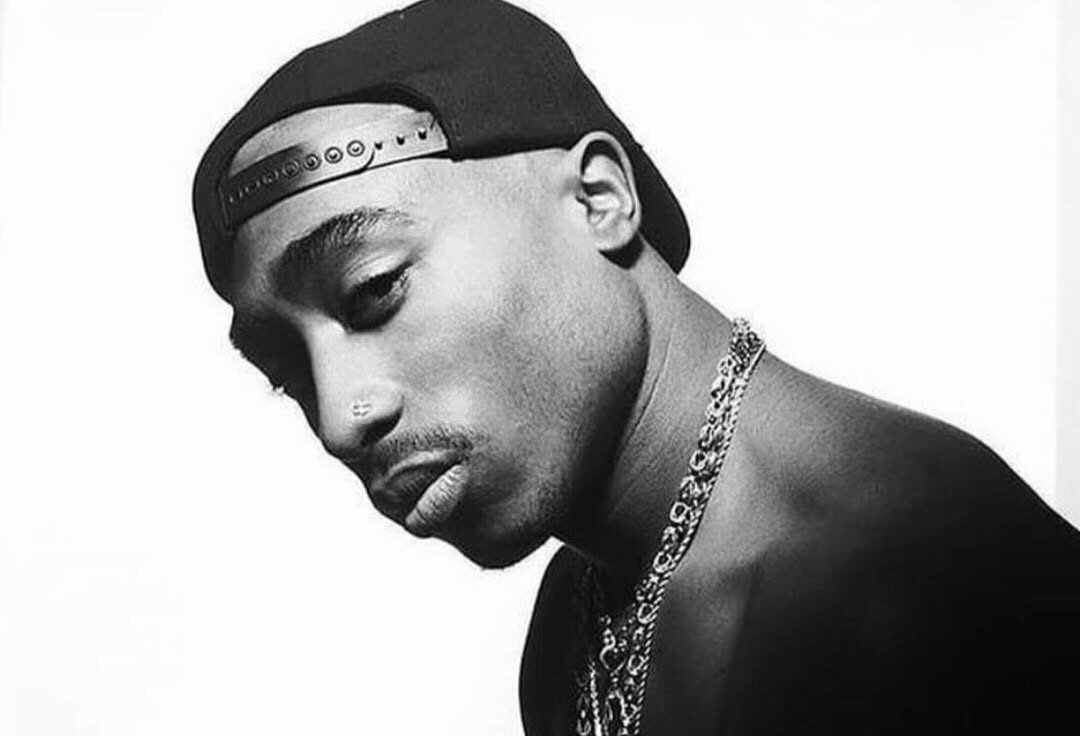
Ayo, Tupac Shakur left behind words that are hitting different right now.
A quote posted to his Instagram account puts it in Pac’s own voice: “I used to sit outside by the streetlights and read the Autobiography of Malcolm X. And it made it so real to me that I didn’t have any lights at home and was sitting outside on the benches reading this book.”
That’s the whole thing right there. The family had no electricity at home. No warm spot inside to study. A kid on a bench under a streetlight with one of the most important books ever written about Black liberation. That’s not a small detail. That’s a defining image.
The Autobiography of Malcolm X, co-written with Alex Haley and published in 1965, has moved through Black communities for generations. Malcolm’s journey hit different for anyone who already knew what struggle looked like from the inside. For young Tupac, the connection wasn’t something he read about in school. It was something he lived in real time.
Tupac’s mother, Afeni Shakur, was an active Black Panther Party member. Political awareness was in the household from the beginning. But Afeni also battled addiction during his childhood, and the family moved constantly between New York and Baltimore. Money was scarce. The lights were off at home. The image of Pac reading outside on a bench makes total sense for anyone who knows his story.
His music already told us. Songs like “Dear Mama” and “Changes” weren’t written from a comfortable distance. They came from someone who had lived it. Someone who had sat outside his own home in the dark and picked up a book instead of giving up. That’s where the weight in those records comes from.
Tupac called himself a “rose that grew from concrete” in his poetry. That streetlight scene is the concrete. The physical reality of no lights inside the house, nothing to turn on, nowhere warm to sit and read. That’s what he was writing from. Always.
The urgency in Tupac’s writing and the refusal to water anything down: that’s Malcolm’s fingerprint on Pac’s pen. Malcolm spoke directly to people the system had written off. Tupac learned from that early. Spin almost any record he made and you can feel it.
Tupac reached his commercial peak with Death Row Records in the mid-1990s. By then, he’d already built the foundation. His music was impossible to ignore, and now you know why. The platinum records came later. The work started on a bench under a streetlight.
The quote circulating on his Instagram account today helps explain why Tupac Shakur‘s legacy keeps growing long after his death in September 1996. His words still land. The things he described in that quote haven’t gone away for a lot of people. They’re present-tense.
That’s the real Tupac story. Not Death Row or the beef. A kid who chose to read instead of sitting in the dark doing nothing. That choice made everything.
