
– From 3 to 7 June, the Spanish capital is hosting a selection of the best recent German films, with a strong presence of women directors and titles marked by social awareness
Karla by Christina Tournatzés
The German Film Fest Madrid, now in its 28th edition, runs from 3 to 7 June and serves not only as a showcase for the German film industry, but also as a celebration of female filmmaking. Furthermore, the programme examines the tensions of the present from a distinctly auteur-driven lens, highlighting the latest wave of films with a particular focus on less conventional work. This year’s line-up includes nine feature films (including non-fiction), student films and a selection of short films. This event is an initiative of German Films in collaboration with the Goethe-Institut Madrid, Amigos del Goethe and with the support of the Embassy of the Federal Republic of Germany in Madrid and Filmin.
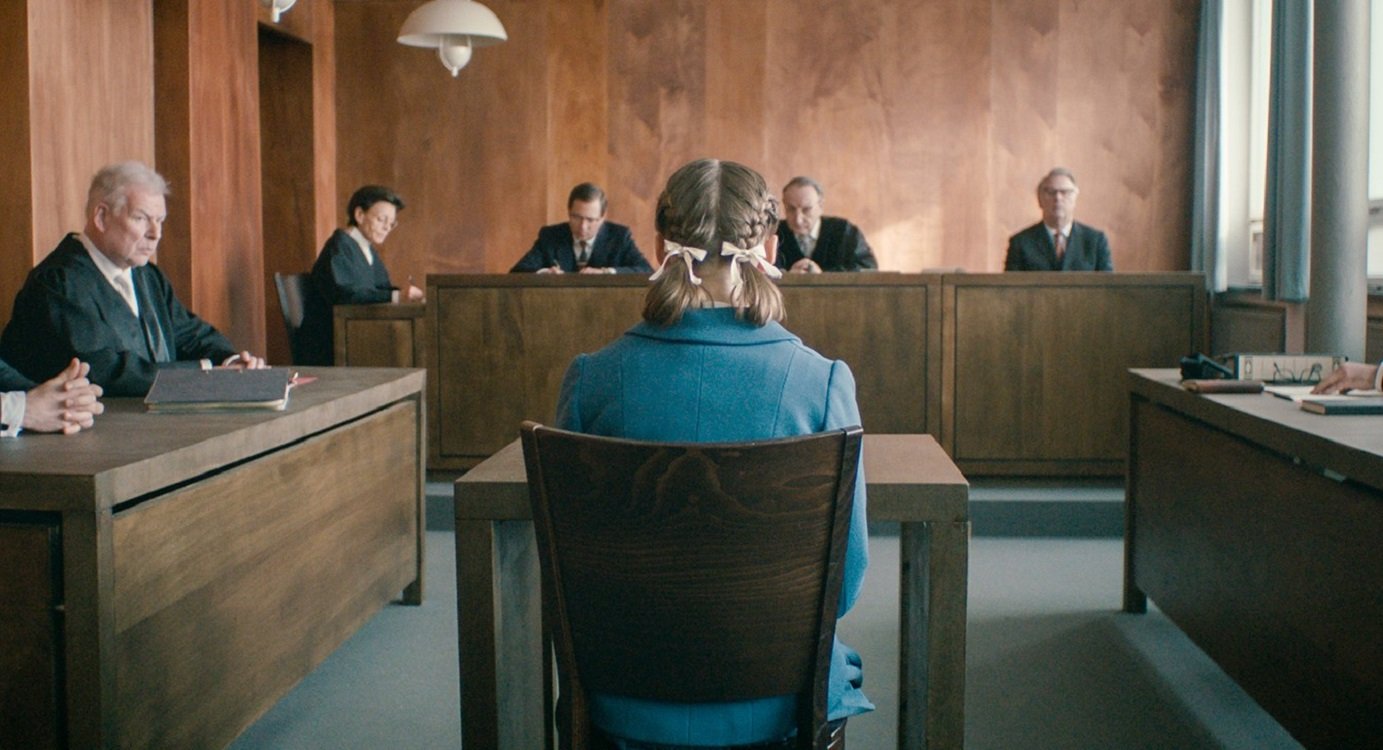
The 2026 programme centres on stories in which the voice becomes a political act. For example, Christina Tournatzés makes her feature film debut with Karla, a film set in Munich in 1962 that places the camera at the eye level of a twelve-year-old girl who breaks the taboo surrounding gender-based violence. Jacqueline Jansen presents the autofiction Six Weeks On that aims to explore contemporary loneliness, examining grief in the midst of a pandemic.
A reflection on filmmaking itself emerges in No Mercy, by documentary filmmaker Isa Willinger, who embarks on an essayistic journey into power, gender and artistic authority, questioning the limits of the screen as a space for social projection. In the field of non-fiction for all audiences, Julia Lemke and Anna Koch present Circusboy (which received a Special Mention in the Generation Kplus section at the 2025 Berlinale), shining a light on lives on the fringes of modernity. In her third feature film (which was screened in competition at this year’s Berlin Film Festival), entitled Home Stories, Eva Trobisch explores the fractures within European identity, questioning whether a sense of self can be built when one’s family history is falling apart.
Alongside these voices, the film festival devotes a prominent section to the work of Mia Maariel Meyer. In this Focus, the filmmaker presents two key titles from her filmography: The Seed, a raw portrayal of dehumanisation in the workplace, shown at the Berlinale; and Treppe Aufwärts, her debut feature, which already revealed her skill in depicting generational cycles of addiction.
The festival also welcomes the return of established and emerging filmmakers who keep alive the spirit of classic yet revitalised auteur cinema. Thomas Stuber presents The Frog and the Water, the opening feature film, a work that confirms his mastery of psychological realism and his ability to create intimate atmospheres; it was screened at the Black Nights Film Festival in Tallinn last year. Julian Radlmaier offers a political and avant-garde counterpoint with Phantoms of July, blending absurd humour with political theory to explore nostalgia and identity in East Germany through a bold, self-referential style. And finally, the programme includes the premiere of Joscha Bongard’s Babystar, a scathing satire on the attention economy and the commodification of childhood in the age of influencers.
In collaboration with

(Translated from Spanish)
