
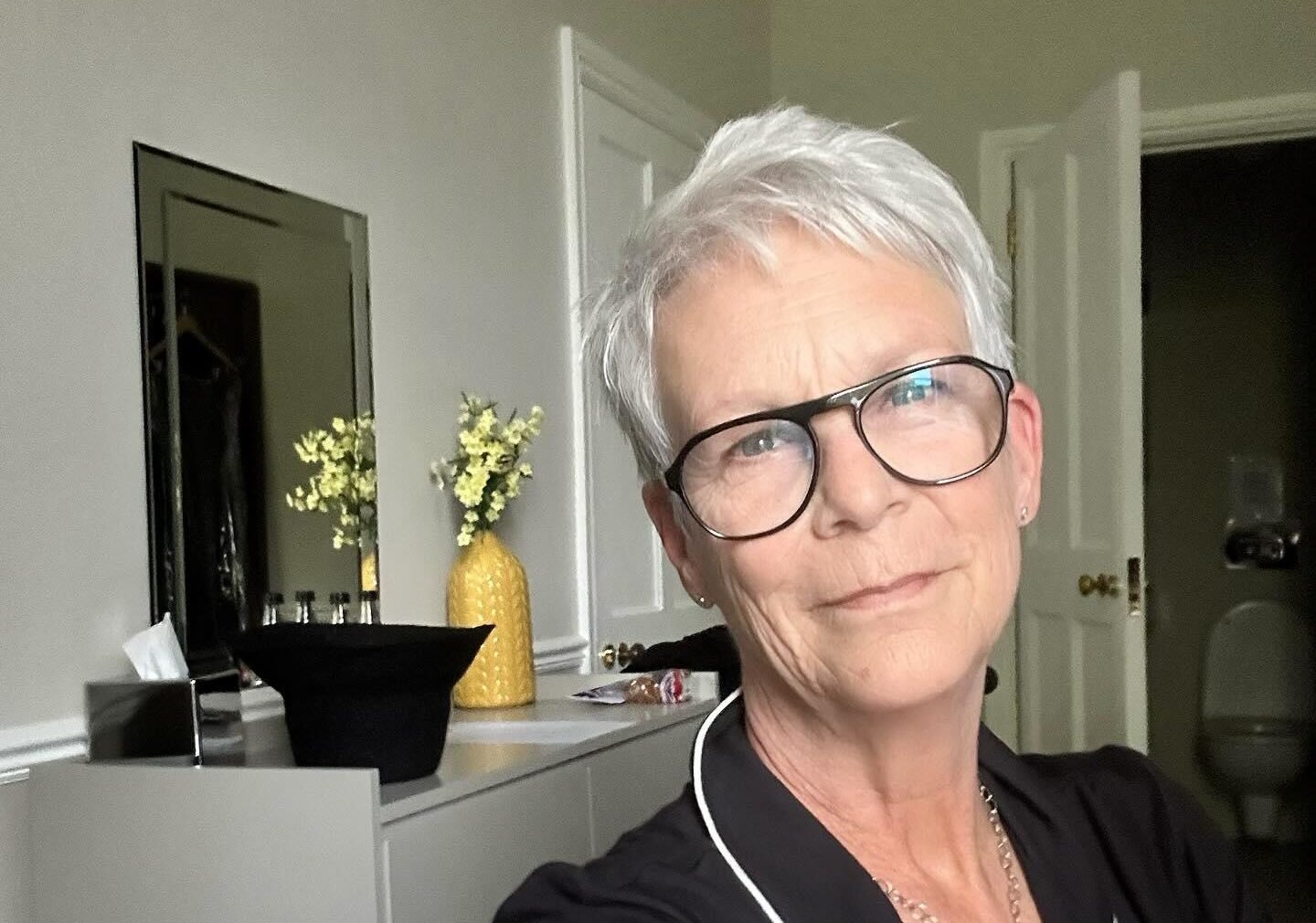
Jamie Lee Curtis posted on Instagram this week to praise two male athletes who had publicly come out. She also brought up something she’s been working toward for years: getting Glenn Burke’s story to a wide audience.
Curtis, the Halloween franchise star and longtime LGBTQ+ advocate, kept her message direct. “Proud of both of these men and their declaration of self and their purpose and love of the game,” she wrote. Then came the Burke mention: “I tried for years to tell the story of Glenn Burke, and I’m sure at some point it will be told.”
That second part is where the real story is.
For anyone not familiar with Burke, he deserves more than a footnote. He was an outfielder for the Los Angeles Dodgers and Oakland A’s in the late 1970s. He’s widely considered the first openly gay player in Major League Baseball history. He had real talent. Baseball didn’t make room for him. He faced hostility inside the sport, was eventually traded, and retired early. He died in 1995 at 42. He never got to see the conversation around LGBTQ+ athletes develop into anything close to what it is today.
He also invented the high five. He and Dusty Baker shared the first one at Dodger Stadium in 1977. The gesture went global. Burke didn’t. His name appears in history roundups, but his full story – what he went through during his career and after it – hasn’t gotten the platform it deserves. That’s the gap Curtis is trying to close.
Curtis’s advocacy on LGBTQ+ issues goes back decades and has grown more personal over time. Her daughter Ruby Curtis came out as a transgender woman in 2021. Curtis has been outspoken ever since. Her comment about spending years trying to get Burke’s story made isn’t a casual aside. Hollywood doesn’t rush to fund projects about gay Black athletes who were pushed out of their sport. She didn’t specify the format – film, TV, or otherwise. Curtis carries real weight in Hollywood. She’s been pushing for this project for years. That it hasn’t materialized says something about how difficult it still is to get these stories made.
Her post closed on a broader note. “Happy that this recognition is coming for both of them and their families and their friends and fans,” she wrote. Coming out publicly reaches beyond the individual. It lands on families. It reaches fans who’ve spent years feeling like this world wasn’t built for them. Younger athletes are watching too, figuring out what they’re allowed to be.
Curtis didn’t name the two athletes in her post. Based on context, she was responding to recent public announcements by two male athletes.
Burke’s story has been covered in documentary form over the years. A full scripted treatment reaching a mainstream audience hasn’t happened. Curtis has been trying to make one for years. Whether she gets there is still an open question.
She seems like the type to keep trying.
