
OTTAWA — The federal government is extending the amnesty period shielding firearms owners from liability for possessing guns that the Liberals have banned until 90 days after a Supreme Court ruling on the ban, which it expects next year.
The amnesty order, set to expire on Oct. 30, applies to owners of the roughly 2,500 makes and models of firearms the Liberals have banned since May 2020.
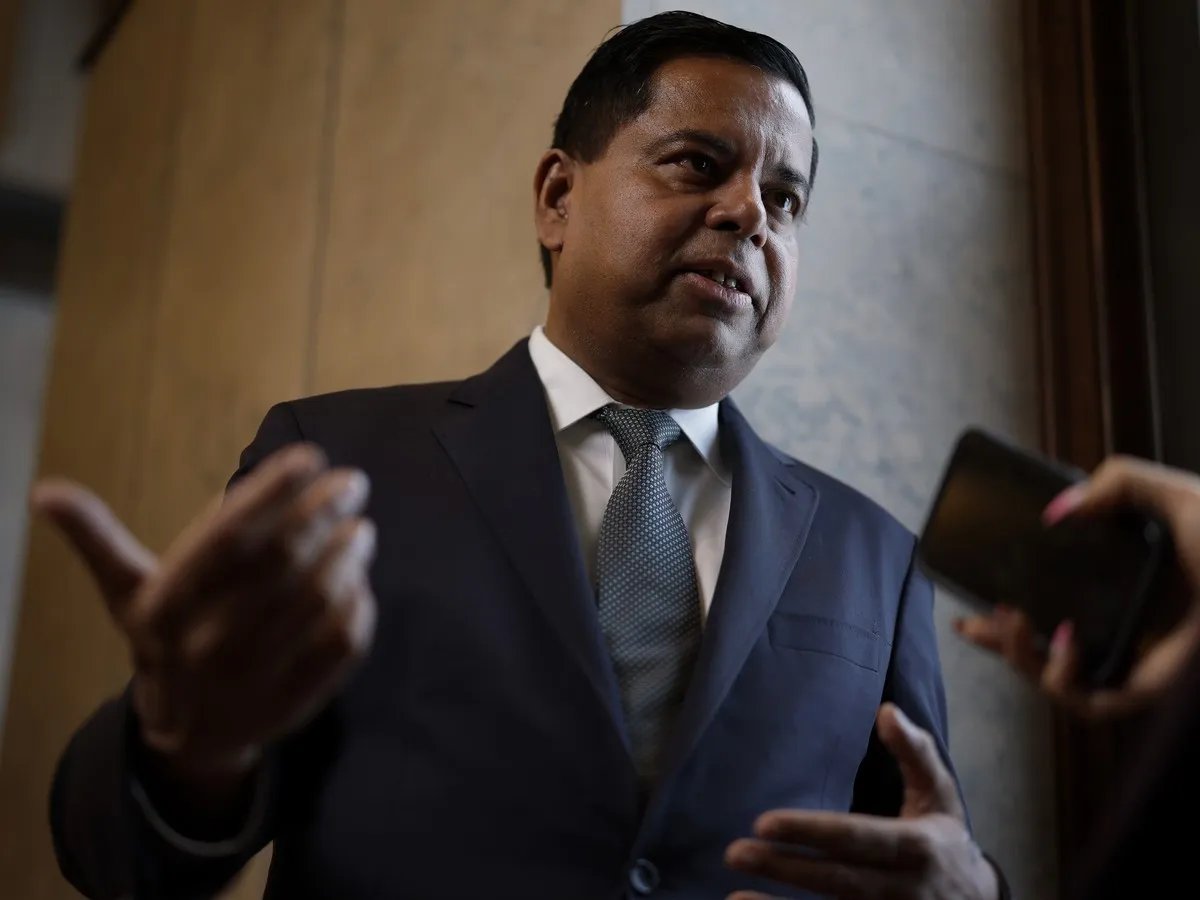
“When there is a Supreme Court hearing on a matter that is quite relevant to the program, I think it’s incumbent upon lawmakers to ensure that we respect that process,” Public Safety Minister Gary Anandasangaree, told National Post in an interview on Tuesday.
“While you know we would have preferred to have the amnesty in place for October … we have to respect the Supreme Court and their ability as the final arbiter of Canadian law to weigh in, and that’s what we’re doing today.”
The minister says the decision was made in concert with Justice Minister Sean Fraser, who oversees the amnesty period.
The top court’s decision to hear a challenge brought against the Liberals’ initial firearms ban back in May 2020 represents the latest hurdle the long-delayed and controversial policy has faced since then prime minister Justin Trudeau first promised it during the 2019 federal election.
The Liberals maintain that the decision to ban upwards of 2,500 makes and models of firearms targets guns deemed too dangerous for public use, such as the AR-15. Meanwhile, firearms owners and their lobby groups have argued it unfairly targets law-abiding gun owners and captures those that are used for hunting and sports shooting. The Opposition Conservatives have vowed to scrap the policy completely, slamming it as a waste of taxpayer money.
The Canadian Coalition for Firearm Rights, which bills itself as “Canada’s gun lobby,” took the federal government to court after Trudeau’s cabinet enacted its first ban on some 1,500 makes and models of guns in May 2020, just weeks after a gunman killed 22 people in a shooting rampage across rural Nova Scotia.
At that time, an initial amnesty period was expected to end after April 2022. It has been extended several times since as the federal government struggled to get a compensation program for affected firearms owners off the ground.
The Canadian Coalition for Firearm Rights , which fiercely opposes the policy, has taken aim in its court challenge at the way the 2020 ban was enacted through an order-in-council by cabinet, rather than through a law passed by Parliament.
The Federal Court in 2023 dismissed its appeal for judicial review. The Federal Court of Appeal also dismissed its appeal last year.
Back in March, however, the Supreme Court decided to hear the appeal, with the provincial governments of Alberta, Saskatchewan and Ontario, all of which reject the federal policy, slated to participate as interveners.
As is the case with other appeals, the Supreme Court did not release its reasons for accepting the case.
Anandasangaree, who back in February blamed dwindling support for the initiative among municipal police services and premiers on the fact that it took the Liberals too long to launch its compensation program, had previously said the federal government was not open to extending the amnesty order beyond October 2026.
The minister said on Tuesday that he still agrees with those comments.
“The one matter that we didn’t anticipate at that time was the Supreme Court challenge,” he said.
“In both the Federal Court and the Federal Court of Appeal we were quite successful in defending our position,” Anandasangaree added, saying “we still are very confident of the position that we’ve taken.”
He said the decision to extend the amnesty period was being done out of “respect” for the judicial process and out of “the abundance of caution.”
Public Safety Canada, the department overseeing the rollout of the program, expects the Supreme Court to rule next year.
Anandasangaree said collection efforts for the guns declared under the federal compensation program will continue until its scheduled end date of this fall.
“Look, the Supreme Court is not opining on the validity of the compensation program,” he said. “They’re two separate things.”
As of Tuesday, the Public Safety department said more 142,000 of what it calls “assault-style firearms” have been declared by individuals and businesses under the federal compensation program.
It said more than 68,000 firearms were declared under the individual side of the program, which launched this year
Anandasangaree said the rollout of the program has so far been “on time” and “on budget,” adding that a “very significant amount of resources” had been put into the collection phase of the program.
“This is both the respectful thing to do to those who have already enrolled, and I believe that if individuals do want to buy something else, they’re able to do so, but with the caveat that the Supreme Court will decide on the overall firearms and the our ability to prohibit them using our laws.”
National Post
Our website is the place for the latest breaking news, exclusive scoops, longreads and provocative commentary. Please bookmark nationalpost.com and sign up for our politics newsletter, First Reading, here.
