
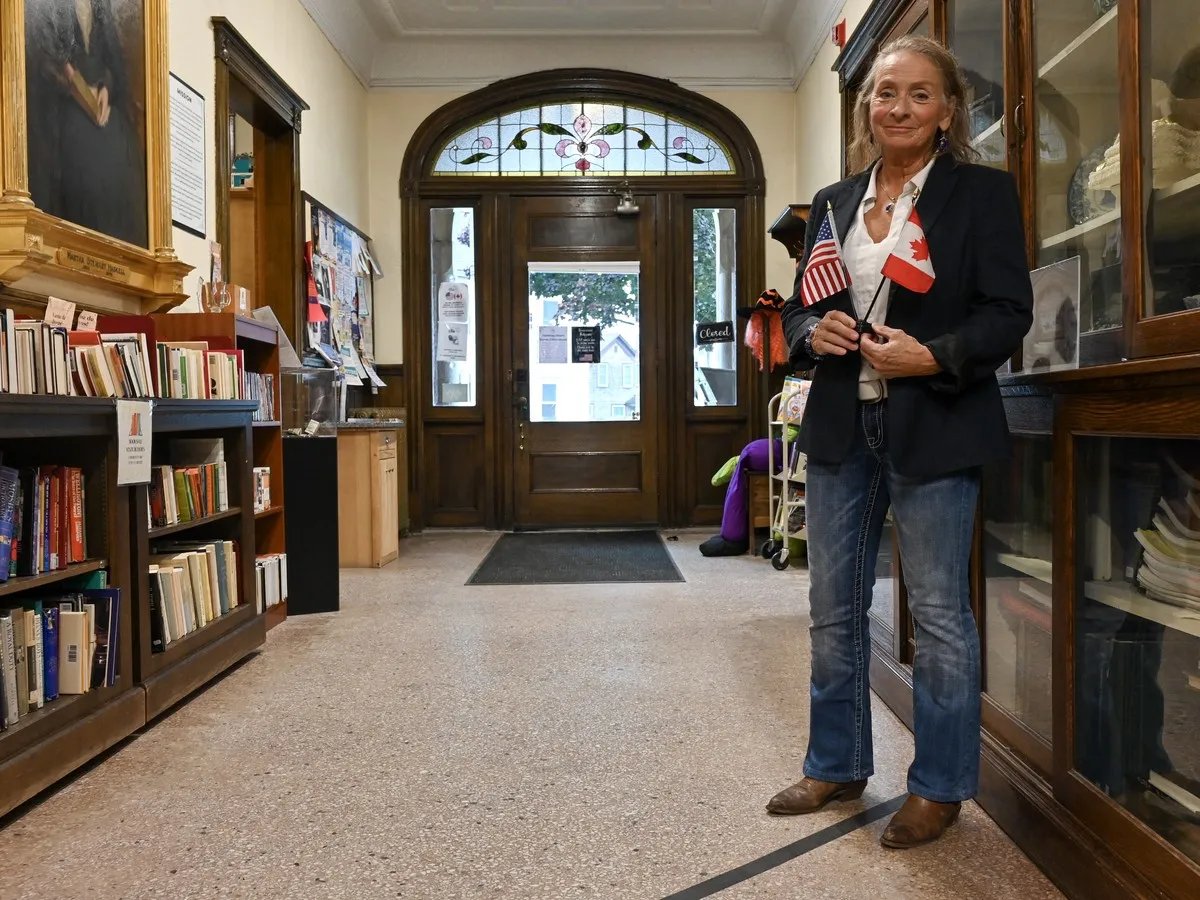
The Haskell Free Library and Opera House on the Quebec-Vermont border opened its new Canadian entrance on Wednesday.
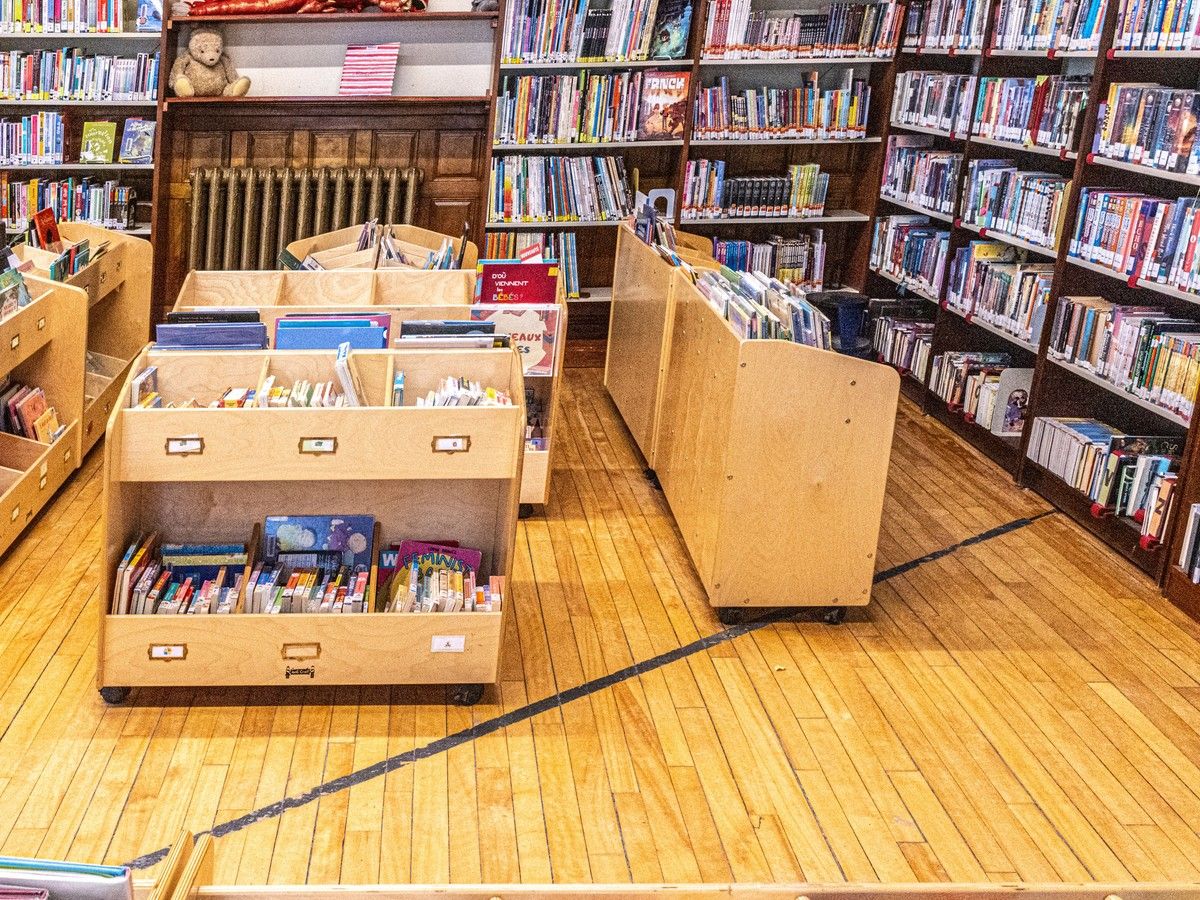
The new door opens to Stanstead, Que., while the existing door is in Derby Line, Vt. A black line runs across the floor inside the library to indicate the border between Canada and the U.S.
The building, which is more than a century old, has long been a symbol of harmony between Canada and the U.S. But the past eight months have been a different story, after the Trump administration ended a long-standing arrangement allowing Canadians to enter from the U.S. side.
Now, the Haskell Free Library and Opera House has officially opened its new “Canadian Door”, granting easy access to visitors on both sides of the border once more.
Why was Canadian access restricted?
In October 2025, U.S. authorities cancelled an arrangement that meant Canadians could use the existing entrance in Derby Line without passing through customs.
The decision had been announced in March that year, just two months after then Secretary of Homeland Security Kristi Noem visited the library and referred to Canada as “the 51st state” when standing on the Stanstead side.
It was my honor to meet the family of fallen Border Patrol Agent David Maland and his fellow officers who work everyday to keep our nation safe.
The afternoon spent at the US/Canadian border reaffirmed President Trump and my commitment to secure ALL of our borders. pic.twitter.com/PMre9PmvYK— Special Envoy Kristi Noem (@EnvoyNoem) January 31, 2025
At the time of the decision, a Department of Homeland Security spokesperson said in a statement that the change was in response to drug trafficking.
“Drug traffickers and smugglers were exploiting the fact that Canadians could use the US entrance without going through customs. We are ending such exploitation by criminals and protecting Americans,” they said.
They did not provide evidence of drug trafficking or smuggling, though in 2018, a Quebec man named Alexis Vlachos was sentenced to 51 months in a U.S. prison for smuggling over 100 handguns from Vermont to Quebec, some of which were stashed in small backpacks inside the trash can of the Haskell Library bathroom.
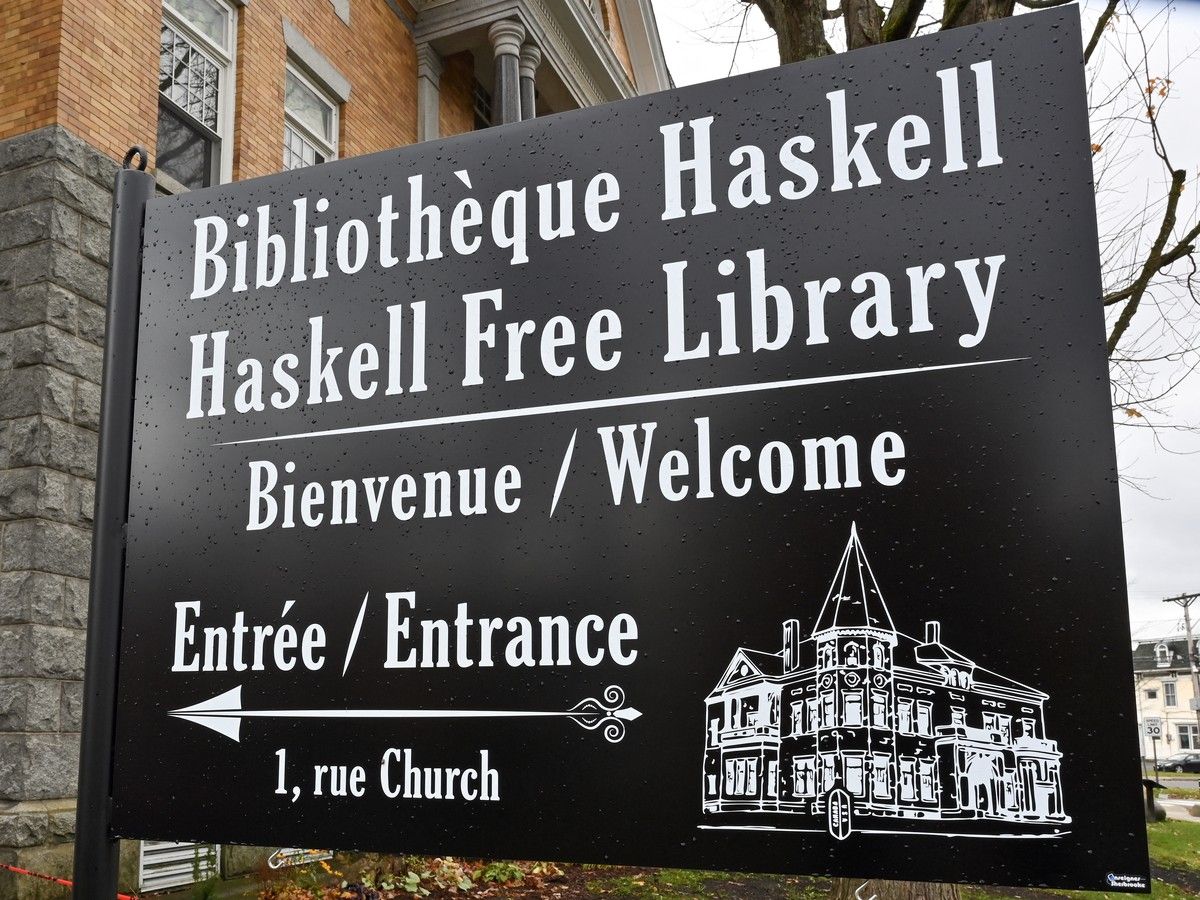
The library was not completely blindsided by the change, however. In an interview with National Post, Sylvie Boudreau, the president of the library’s board of trustees, said she had been expecting the news, following Noem’s visit.
“I had already looked into where we could put an entrance on the Canadian side,” she said.
It’s not the first time Canadian access to the library has been restricted, however, with tighter controls imposed following the attacks of September 11, 2001, and again during the COVID-19 pandemic.
How did the library adapt to the change in access?
Since October 2025, Canadians wishing to use the library’s main entrance have had to present themselves at a port of entry and go through U.S. customs.
A repurposed emergency exit was used as a temporary entrance on the Stanstead side by Canadians initially. But when construction started on the door, things became a little more complicated.
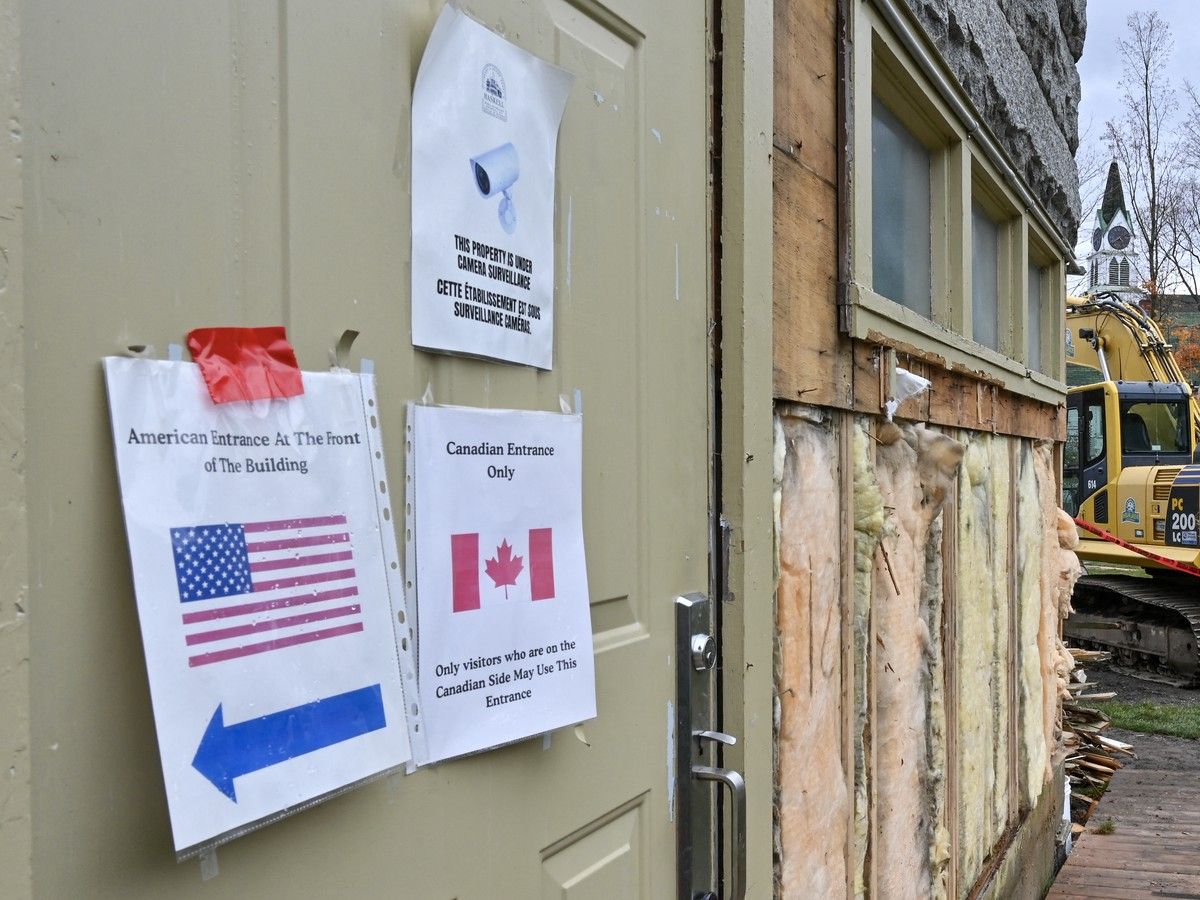
“We had to use the tower, which has four flights of stairs, and after that you arrive at the Opera House, go back downstairs, go through the staff office to go into the library,” Boudreau told National Post.
Only library members and staff were permitted to enter the building directly from Canada, but exceptions were made for emergency personnel, people with disabilities, school groups, and some others.
How was the new entrance created?
The Canadian Door already existed as an emergency exit, but it needed a lot of work to turn it into a suitable entrance.
The Haskell Free Library and Opera House website provided updates on the Canadian Door project, beginning with the successful approval of architectural plans by both the Quebec and Vermont governments and Historic Preservation Societies.
Creating the new door also involved excavating the Canadian handicapped parking lot and extending exterior walkways on the northeast side of the building.
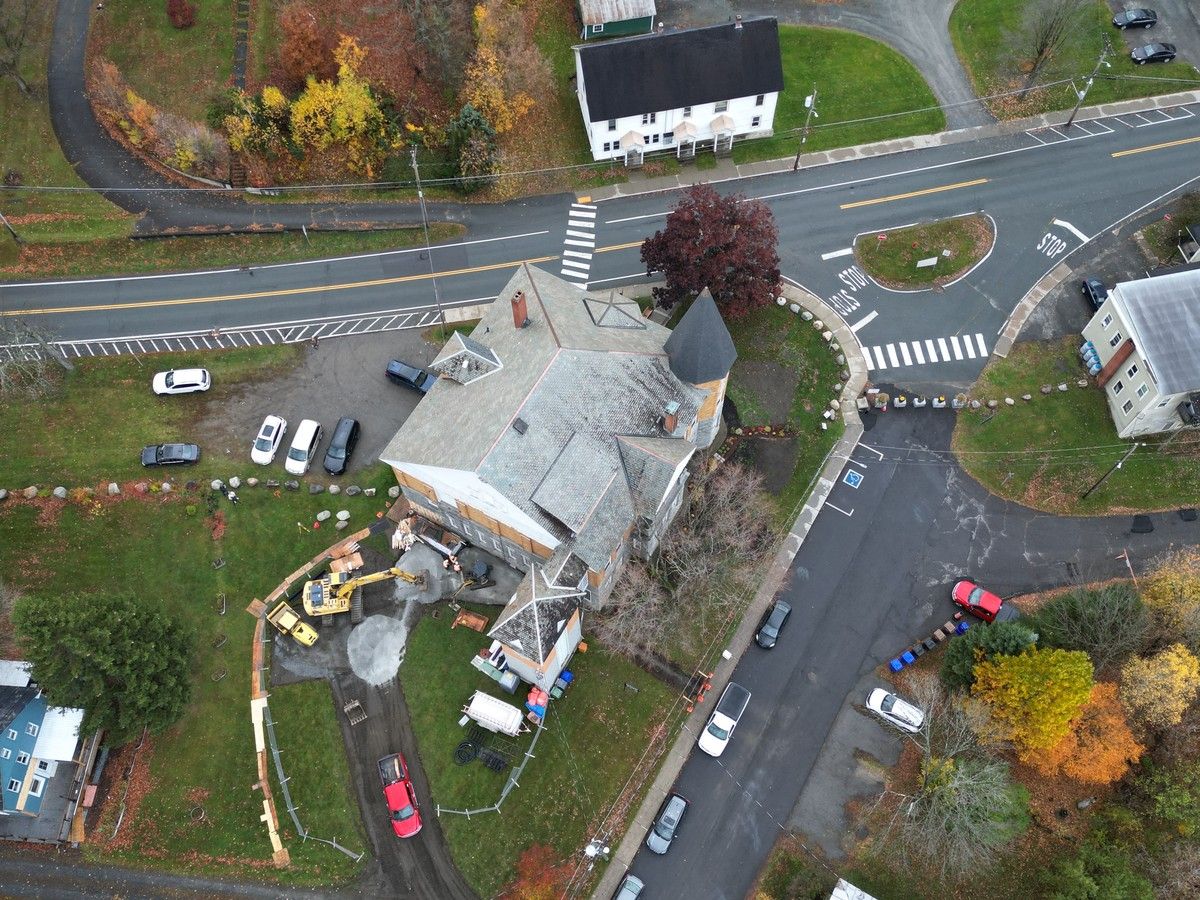
Masonry work was carried out on the exterior of the entrance, while the interior was plastered and repainted and a portico was installed.
The final steps involved installing doors and windows, constructing the retaining wall and paving the Canadian parking lot.
Who paid for the new entrance?
Boudreau said the work cost about $700,000.
“It cost a lot of money, because it’s a heritage building,” she said. “We had no choice of the design, no choice on the materials. Everything had to be approved, and the only thing we could do is pay.”
As well as the door itself, the cost included work on the sidewalk, stairs, a roof, a parking lot and ways to make it accessible.
About $350,000 came from donations to a GoFundMe from all over the world. The rest of the money came from the building fund, which had been set aside for other projects.
Can Americans use the new Canadian entrance?
Americans can’t use the Canadian entrance, but, because the new door is next to the American parking lot, Boudreau says some visitors have tried to use the wrong entrance by mistake.
Inside the building, however, people from both countries share the space equally.
“When the access was restricted, people were frustrated,” Boudreau said. “The new entrance means that the Haskell will continue. It’s a message of hope and friendship. It will not defeat us.”
Our website is the place for the latest breaking news, exclusive scoops, longreads and provocative commentary. Please bookmark nationalpost.com and sign up for our daily newsletter, Posted, here.
