

Analysis
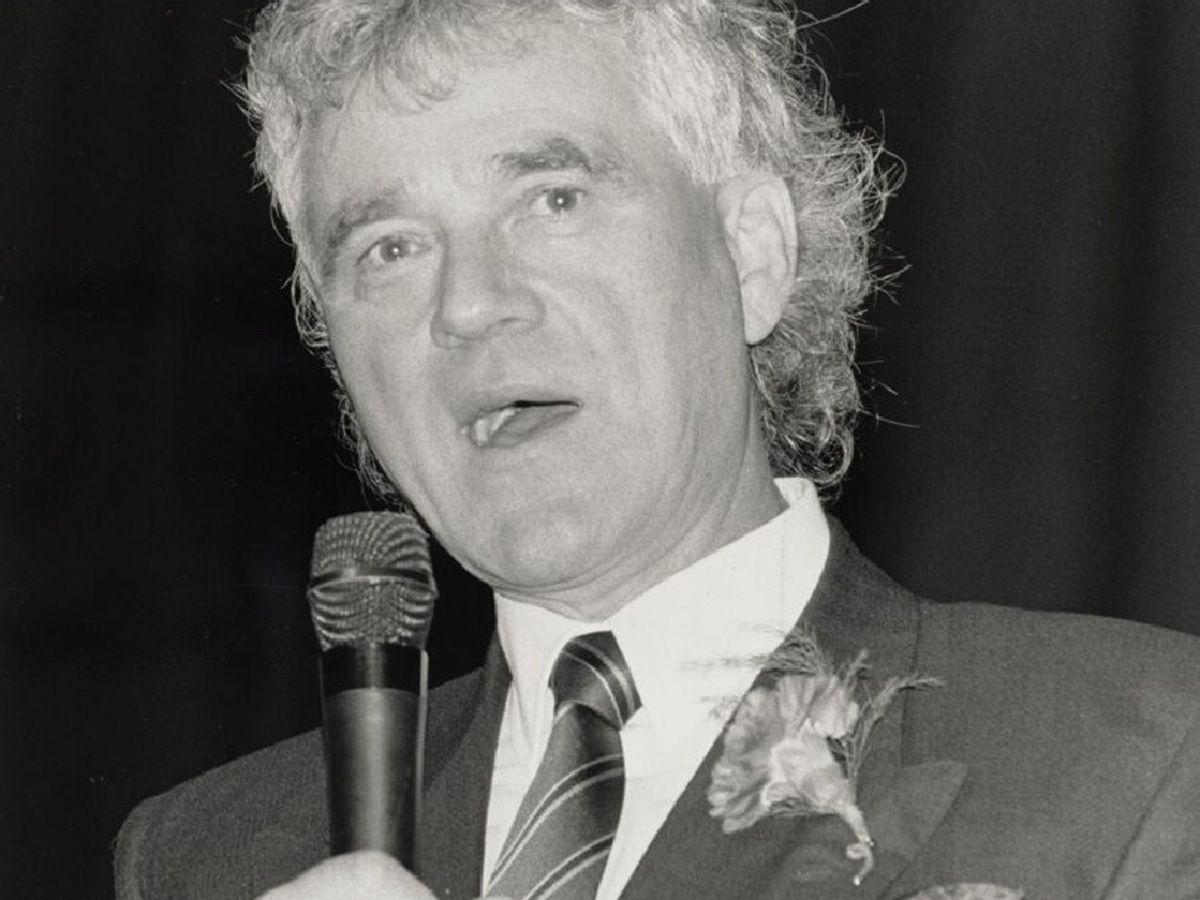
Frank Stronach, 93, the auto parts billionaire accused of preying on young women at the Toronto nightclub he owned in the 1980s and pressuring them into his condo for sex against their will, is scheduled to appear in a Toronto courtroom Friday morning to hear his verdicts.
Judge Anne Molloy of the Ontario Superior Court of Justice has been writing her reasons in this high profile trial in which the Ontario Crown argued Stronach followed a clear and repeated pattern of sexual predation, and was only exposed when several victims came forward in 2024 in response to news of the first few charges.
At the trial’s outset in February, prosecutors claimed each woman’s story would bolster the credibility of the others, that they trusted this fabulously wealthy and sophisticated man, a casual acquaintance many decades older than they were, and accepted his invitations to see the lake view from his condo only to be set upon coarsely once inside, sexually assaulted in an entitled and almost perfunctory manner, then driven home as if this were normal.
But the prosecution went sideways from the beginning.
First, it was evidence that police and prosecutors had been strategizing testimony with witnesses just days before trial, and helping them to avoid inconsistencies or “omissions,” by failing to mention details that would be important to this legal claim of a similar fact pattern.
Then, the witnesses themselves in some cases undermined their own claims, in one case by admitting to lying on the stand about what she had read about other complainants’s stories, and then trying to apologize from the witness stand, only to be silenced by the judge who said it was not an opportunity to make a speech. She claimed Stronach sexually assaulted her after a dinner with him to mark the end of her summer internship at his company, Magna, a job arranged through her mother because her late father had been friends with Stronach.
Some complainants were so confrontational and combative with Stronach’s defence counsel they had to be cautioned by the judge to just answer questions.
One woman had an emotional breakdown on the witness stand to the point that emergency support services were required. Her testimony had been completely disjointed by anxiety — “garbled,” as the judge put it — and she was incapable of listening or answering questions. Judge Molloy excused the witness from her cross-examination, and the Crown conceded it no longer had a reasonable prospect of convicting Stronach on the charges involving her.
The judge also indicated she would be unable to convict on the two charges relating to the first complainant to testify, whose timeline of the alleged sexual assault fell apart under cross examination to the point it was not clear even which year it was supposed to have happened.
Another complainant was revealed in cross-examination to have an extensive history of controversial business litigation involving what a civil judge has described as her deceit and dishonesty, and a more recent instance of allegedly falsely reporting to police that a man she had a dispute with threatened to kill her.
Additionally, one charge of rape was abandoned after the complainant’s testimony turned out to be incapable of sustaining the required elements of that charge, though an indecent assault charge in her case remains.
At the trial’s outset in February, Stronach was charged with 12 alleged sexual offences involving seven women, including indecent assault, forcible confinement and the outdated charge of rape, a crime replaced in 1983 by the Criminal Code section on sexual assault.
But over the course of the trial that total has been reduced to five charges involving three women.
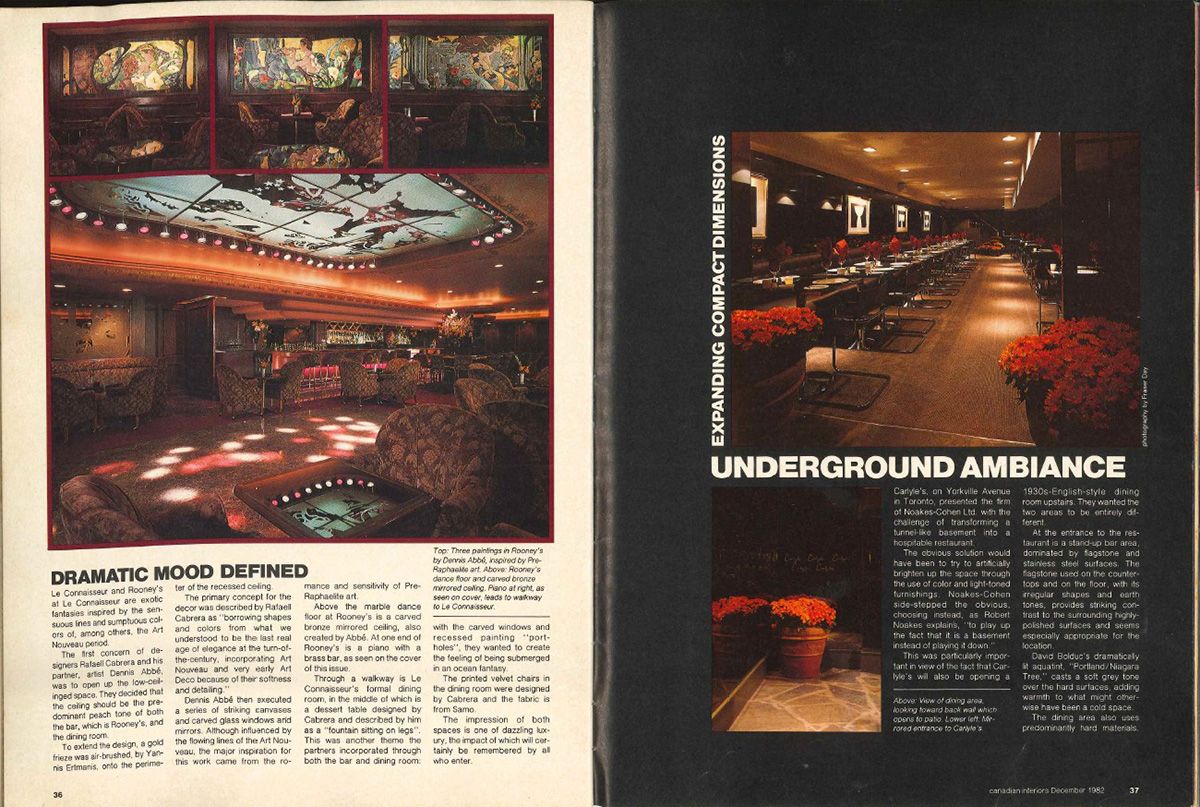
Those that remain include a former server at Stronach’s nightclub, Rooney’s, who was fired and agreed to dinner with Stronach to discuss her employment. She was about 20, he about 50, and she testified about agreeing to see his condo because his “fatherly” demeanour was reassuring. He is alleged to have groped her and tried to kiss her as he helped her with her coat.
Another was a dinner followed by sexual intercourse in Stronach’s condo.
Another was a dinner at Rooney’s followed by an invitation to a different condo that Stronach’s defence denies he ever owned or used. This complainant testified he attempted sexual intercourse by force but she refused and left.
Stronach’s defence has argued the third one is fabricated, and the other two were physical encounters that actually happened and either were consensual, or Stronach had an honest but mistaken belief that they were, which is a legal defence to sexual assault.
The Crown argued in its closing statements that, notwithstanding all the abandoned charges, it believes it has proven these remaining charges beyond a reasonable doubt.
Regardless of Friday’s verdicts, Stronach still faces another sexual assault trial involving six different complainants in York Region, with more recent allegations, from 1988 to as recently as 2024. Jury selection is scheduled to begin next May.
Our website is the place for the latest breaking news, exclusive scoops, longreads and provocative commentary. Please bookmark nationalpost.com and sign up for our daily newsletter, Posted, here.
