
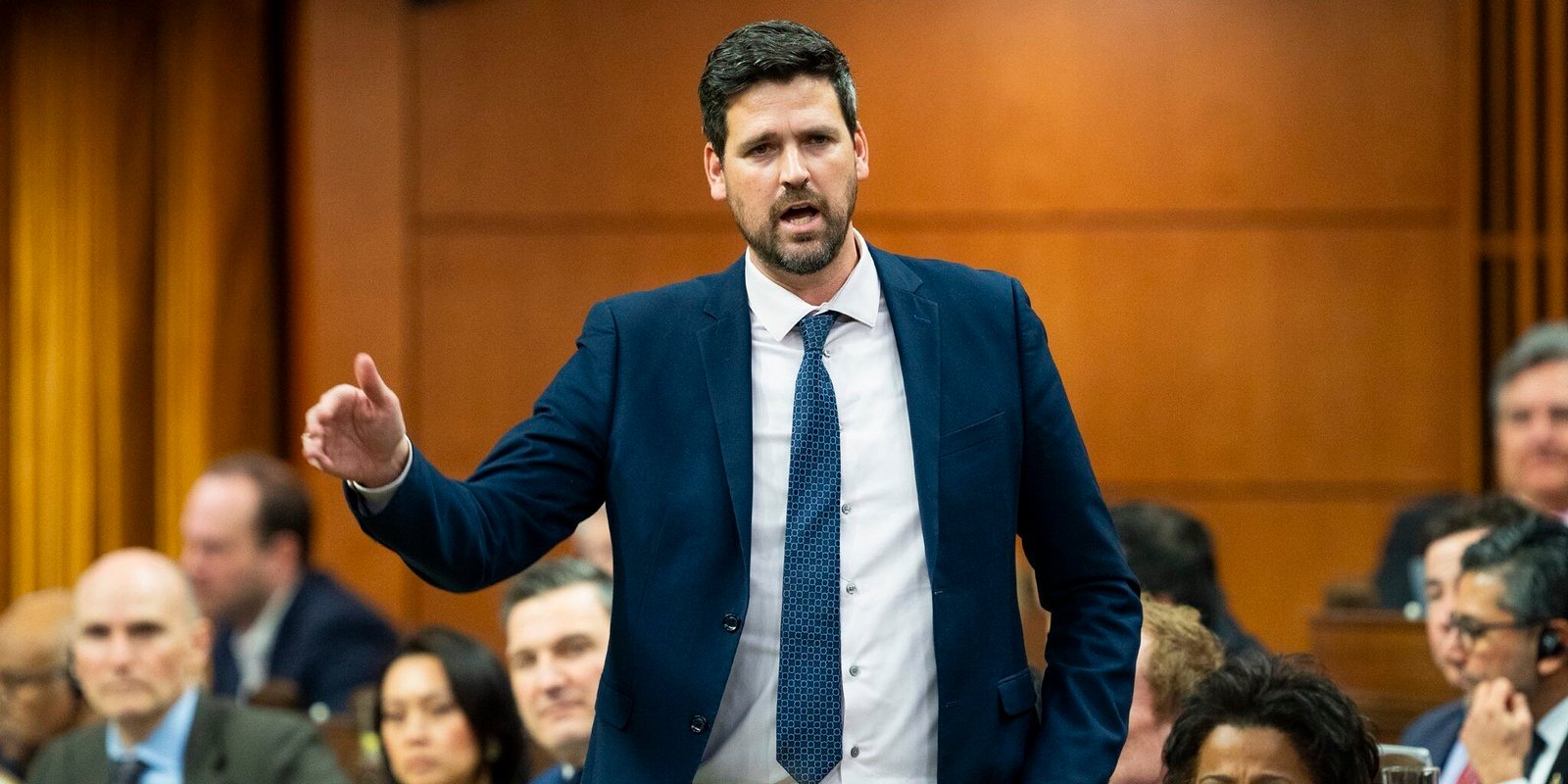
Parliament has risen in Ottawa and will not reconvene until September 21.
That is par for the course for the federal government.
In Ontario, by contrast, Premier Doug Ford is setting an ignominious record.
The legislature in Ontario rose for its break on June 2, but will not return until October 27. That will give it a 21-week break. It will result in the smallest number of days sitting for the legislature in 50 years (barring provincial election years).
As for Mark Carney’s federal Liberals, they spent their last few days in the federal House in a mad dash to pass a large batch of consequential legislation at breakneck speed, and damn the torpedoes.
For starters, the government passed Bill C-14. which makes it harder for people accused (but not convicted) of crime to get bail.
This measure is popular with the law-and-order crowd, including Doug Ford and some other provincial premiers. But those who have studied the criminal justice system closely and for many years have a different view.
One of those experts is Dr. Nicole Myers, a professor of criminology at Queen’s University in Kingston.
She told a House of Commons committee that the notion bail is too easy to get, and thus causing an increase in crime, is not supported by the evidence.
In fact, Myers said, crime rates are at historic lows and too many innocent-until-proven-guilty people are being held for long periods in pre-trial detention (or remand), having been denied bail.
In 2021-22, 70 per cent of the provincial jail population across Canada was in pre-trial detention. The rate at which we use pre-trial detention has more than doubled in the last 40 years, and the number of people in pre-trial has quadrupled in this time.
Given the rate, number and proportions of people in remand, it is clear that Canada is not lenient when it comes to pre-trial detention. Many people are serving time before they have been found guilty … Even short periods of time in custody make it more, not less, likely that someone will commit further offences in the future.
Myers and others who intervened on C-14 emphasize that tightening bail conditions might be an attractive, short-term political solution to the public’s fear of crime.
Long-term, they say, it will do more harm than good.
Despite these warnings the bail reform bill passed easily, with Conservative Party support.
“Massive expansion of State surveillance”
Then there is Bill C-22, a law designed, in part, to protect us all from the harms of online social media. It also passed through Parliament, with inadequate and superficial debate.
Indeed, opposition parties and many Canadians who have doubts about the Bill are adamant the Carney government pushed this legislation through with unjustifiably undue haste.
We will live to regret that haste, they add.
NDP MP Jenny Kwan pointed out that the Carney government “completely ignored civil liberties groups, privacy advocates, legal experts, and the business community.”
C-22 requires tech companies to retain data about those who use their services, so-called meta-data.
Plus, it allows for interception of private online communications, and for law enforcement and tech companies to bypass both personal and institutional online encryption.
Encryption means communicating online in code in order to protect one’s privacy and identity.
Finally, C-22 gives the Canadian Security and Intelligence Service (CSIS) and Canada’s police forces greater power than they now have to acquire information on so-called Internet “subscribers”, meaning anyone who uses online facilities such as Facebook.
There are big red flags concerning government intrusion in that provision.
In the House, Jenny Kwan said:
“Bill C-22 represents one of the most massive expansions of State surveillance authority Canada has seen in decades. It creates a democratic deficit by design, featuring elements far more characteristic of a neo-authoritarian regime than a democracy.”
The Vancouver MP added that despite their small caucus New Democrats put forward many amendments to C-22.
Those were designed “to protect encryption, raise the legal threshold from mere ‘suspicion’ to probability of crime, and protect Charter rights.”
The government rejected all of the proposed amendments.
C-22 is now law, and we will all have to live with the consequences.
Mark Carney’s government could have used a more measured approach to deal with the real challenge of regulating the Internet and empowering law enforcement.
Instead, it chose haste over careful and judicious consideration.
Perhaps the Carney government’s most egregious flouting of parliamentary democracy was in the case of stealth legislation that allows the federal Cabinet to set aside the government’s own regulations that serve to protect the environment and people’s health.
