
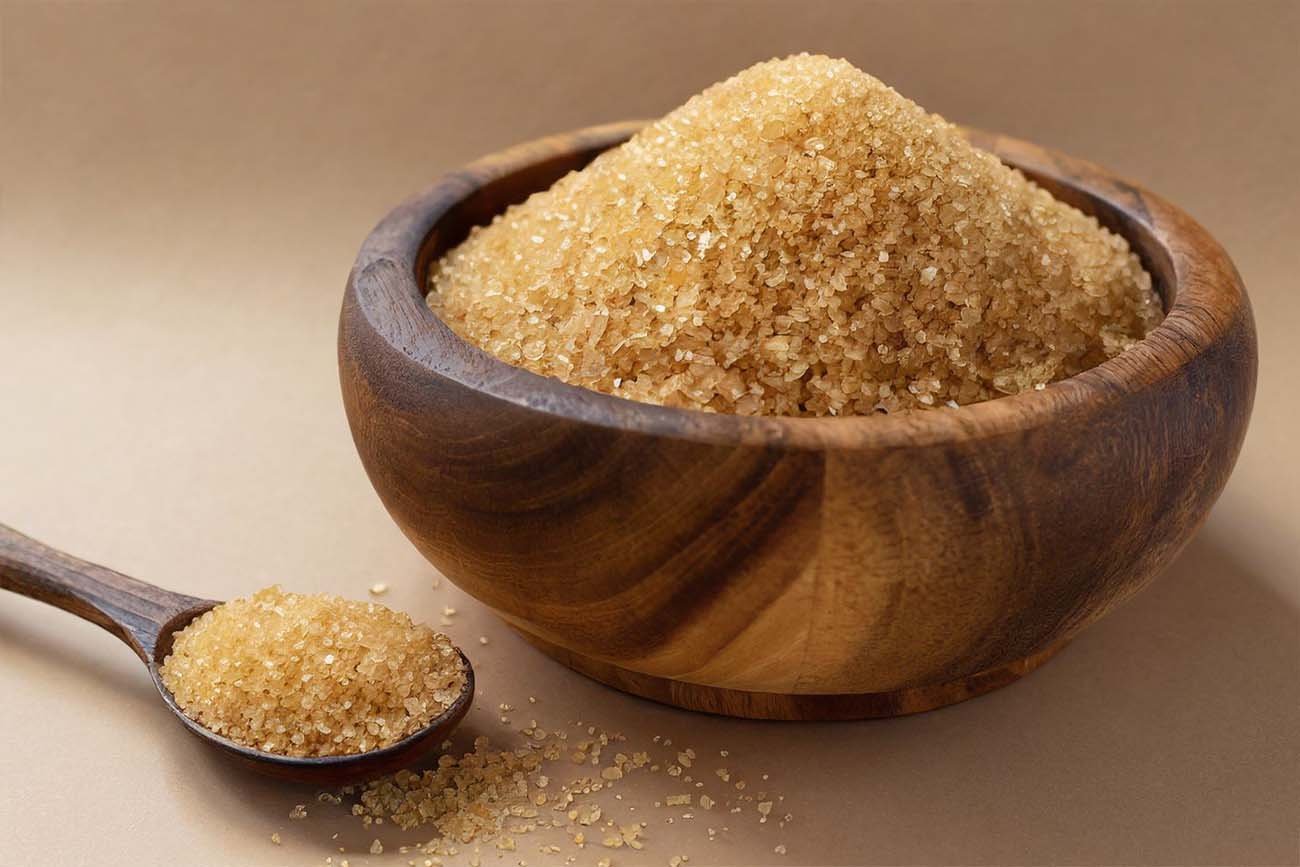
You open the bag of brown sugar to make cookies and find a solid brick. Or your bag has been in the pantry for two years and you’re not sure whether it’s still good. Does brown sugar go bad?
The short answer: Brown sugar does not go bad in any food safety sense. According to C&H Sugar and Domino Sugar, brown sugar has an indefinite shelf life when stored properly. The best-by dates on packaging, typically 2 years, reflect optimal quality, not safety. The most common problem with brown sugar is hardening, which is caused by moisture loss from the molasses content. Hard brown sugar is not spoiled. It can almost always be softened and used normally. The real discard triggers are mold, insects, and a sour or fermented smell.
For a full overview of how pantry and baking staples compare, visit our Complete Food Storage Guide.
📋 Brown Sugar: At a Glance
- Unopened brown sugar: indefinite shelf life. Best quality within 2 years per C&H and Domino.
- Opened brown sugar: indefinite in an airtight container. Quality best within 2 years.
- Hard brown sugar is not spoiled. Hardening is caused by moisture loss from the molasses, not bacterial growth. It can be softened.
- Dark brown sugar hardens faster than light because it contains more molasses and loses moisture more quickly once exposed to air.
- Do not refrigerate. Refrigeration causes condensation that can trigger clumping and, in rare cases, mold.
- Real spoilage signs: mold, insects, or a sour and fermented smell. Hardening alone is never a reason to discard.
Key Takeaways
- Brown sugar = white sugar plus molasses. The molasses gives brown sugar its color, flavor, and moisture. When that moisture evaporates, the sugar hardens. The sugar itself has not changed chemically.
- Hardening is a texture problem, not a safety problem. C&H and Domino both confirm that brown sugar can be used indefinitely if kept free of insects and moisture contamination, even when hard.
- The best-by date is about flavor, not safety. Over time the molasses flavor can diminish, particularly in dark brown sugar. The sugar remains safe well past its printed date.
- Light vs. dark brown sugar: light has about 3.5% molasses content, dark has about 6.5%. Both behave the same in storage but dark hardens faster and loses its stronger flavor more noticeably over time.
- Airtight storage is the single most important factor. Air hardens brown sugar, per both C&H and Domino. An airtight container is the only reliable prevention.
How Long Does Brown Sugar Last?
Brown sugar’s shelf life is indefinite from a food safety standpoint, but its practical usability depends heavily on how it has been stored. The molasses that gives brown sugar its character is the same component that makes it vulnerable to hardening when exposed to air.
| Storage Situation | Shelf Life | Notes |
|---|---|---|
| Unopened original bag | Indefinite (best within 2 years) | May still harden in the bag over time |
| Opened, airtight container | Indefinite (best within 2 years) | Best storage method; prevents hardening longest |
| Opened, loosely sealed or in original bag | Weeks to months before hardening | Will harden; still safe to use after softening |
| Frozen (for long-term storage) | Up to 2 years | C&H and Domino recommend for very dry climates or long storage; thaw sealed at room temp |
Shelf life guidance based on manufacturer recommendations from C&H Sugar and Domino Sugar, and USU Extension. Brown sugar’s indefinite shelf life assumes it is kept free of insect contamination and direct moisture exposure. Quality, particularly molasses flavor intensity, is best within 2 years of purchase.
Why Brown Sugar Hardens
The Molasses Moisture Mechanism
Brown sugar is granulated white sugar coated with a thin film of molasses. That molasses is what gives brown sugar its distinctive color, caramel flavor, and slight stickiness. It also acts as the glue that keeps the sugar crystals slightly separated and soft.
When brown sugar is exposed to air, the moisture in the molasses slowly evaporates. As it does, the film of molasses thickens, and the sugar crystals it coats begin bonding together. Once enough moisture has left, the molasses effectively cements the crystals into a hard mass.
This is why C&H and Domino both state simply: air hardens brown sugar. The process has nothing to do with spoilage, bacterial growth, or chemical changes. The sugar crystals and the molasses are chemically identical to when the bag was opened. Only the moisture content has changed.
Dark brown sugar has approximately 6.5% molasses content compared to about 3.5% for light brown sugar, per food science standards consistent with C&H and Domino product specifications. The higher molasses content means dark brown sugar loses moisture faster and hardens more quickly when exposed to air, even though both varieties behave identically otherwise.
This mechanism is also why the solution to hard brown sugar is reintroducing moisture, not discarding it.
How to Soften Hard Brown Sugar
Softening Methods: Fast and Slow
Microwave method (fastest, per C&H and Domino): Place the hardened brown sugar in a microwave-safe container. Cover loosely with a damp but not dripping paper towel. Microwave on high and check every 20 to 30 seconds. Use immediately once soft because the sugar will re-harden as it cools. Microwave only the amount you need.
Oven method (for larger quantities, per C&H): Preheat oven to 250°F. Wrap hardened brown sugar in a damp paper towel and place in an oven-safe pan. Heat and check every few minutes. Use immediately once workable as it will harden again on cooling.
Overnight bread or apple method (best long-term fix): Place the hardened brown sugar in an airtight container. Add a slice of fresh bread, a wedge of apple, or a few marshmallows on a piece of plastic wrap or foil placed on top of the sugar so they do not touch it directly. Seal tightly. The brown sugar will slowly absorb moisture from the bread or apple and soften over 1 to 2 days, per C&H. Remove the bread or apple once the sugar has softened and reseal tightly.
Terra cotta brown sugar saver: A dampened terra cotta disk placed in the container adds moisture continuously and can prevent hardening from occurring in the first place. Soak the disk in water for about 15 minutes, dry the outside, and place it in the sealed container. Re-soak every 3 to 6 months as it dries out.
Brute force (for immediate use): If you need brown sugar right now, place the sealed bag on a hard surface and press firmly with your hands or a rolling pin to break the mass into usable chunks. Use a fork for smaller lumps. This works immediately but does not address the underlying moisture issue.
Signs That Brown Sugar Has Actually Gone Bad
When to Actually Discard
Mold: Visible fuzzy growth in any color is a discard trigger. Mold in dry brown sugar is rare because sugar’s water activity is inhospitable to microbial growth, but it can develop if liquid has been introduced into the container or if the sugar has been stored in extremely humid conditions. Discard the entire container.
Insects: Ants, pantry moths, and beetles are attracted to brown sugar. Any sign of insects, webbing, larvae, or frass (insect droppings) means discard and clean the container thoroughly before refilling. Transfer to a hard-sided airtight container going forward.
Sour or fermented smell: Fresh brown sugar smells sweet with a warm molasses aroma. A sour, fermented, or off smell indicates that osmophilic yeasts or other contaminants have reached the sugar, usually from moisture exposure over a long period. This is the clearest sign of genuine spoilage. Discard and do not attempt to use.
Wet clumps or damp texture: Dry hard clumps are normal and safe. Wet, sticky, or damp patches between grains, especially with any odor, indicate moisture contamination rather than simple drying out. Inspect carefully and discard if combined with any off smell.
Hardening alone is never a reason to discard. This is worth repeating because it is the most common reason people throw away perfectly good brown sugar. If it smells right, has no insects or mold, and simply feels like a brick, it is still good and can be softened.
How to Store Brown Sugar to Prevent Hardening
Storage Best Practices
Airtight container, always. C&H and Domino are both direct: air hardens brown sugar. Transfer to an airtight container as soon as the bag is opened. A container with a rubber gasket or locking lid is better than a simple snap-top. If you must leave it in the bag, place the entire bag inside a second airtight container or a heavy zipper freezer bag with the air pressed out.
Store in a cool, dry location. Room temperature pantry storage is correct. Domino recommends storage below 80°F and below 70% relative humidity. Avoid storing near the stove, dishwasher, or any steam source.
Do not refrigerate. C&H, Domino, and USU Extension all advise against refrigerating brown sugar. The cold causes condensation when the container is brought back to room temperature, which introduces moisture and can cause uneven clumping and in rare cases mold.
Freezing is an option for long-term storage in dry climates. C&H and Domino both mention freezing as a viable option if you are in a very dry area or plan to keep brown sugar for a long time. Freeze in an airtight container or heavy-duty freezer bag with air pressed out. Thaw at room temperature with the container still sealed, so condensation forms on the outside of the bag rather than on the sugar. Once thawed, stir gently if any ice crystals have formed.
Keep a terra cotta saver in the container. A dampened terra cotta disk in the sealed container releases moisture slowly and can keep brown sugar soft for months without any other intervention.
Buy in smaller quantities if you bake infrequently. A large bag of brown sugar that sits partially open for a year will harden repeatedly. Buying smaller quantities and finishing them within a few months is more practical than fighting hardening in a large bag.
Light vs. Dark Brown Sugar: Does It Matter for Shelf Life?
Both light and dark brown sugar have the same indefinite shelf life from a safety standpoint per C&H and Domino. The practical difference is in how quickly they harden and how noticeably their flavor changes over time.
Dark brown sugar contains roughly double the molasses of light brown sugar, approximately 6.5% versus 3.5%. This means dark brown sugar hardens faster once exposed to air and also loses its stronger, richer molasses flavor more noticeably over long storage. Light brown sugar has a more subtle caramel flavor that degrades less noticeably.
For storage purposes, treat both identically: airtight container, cool dry pantry, no refrigeration. Use them interchangeably in recipes per C&H and Domino, noting that dark brown sugar will produce a richer flavor and slightly darker color in finished baked goods.
How to Make Brown Sugar If You Run Out
If you are mid-recipe and your brown sugar is too hard to use quickly or you have simply run out, you can make a workable substitute in minutes. Mix 1 tablespoon of molasses into 1 cup of white granulated sugar and stir until fully combined. For dark brown sugar, use 2 tablespoons of molasses per cup of white sugar. This substitution works in virtually any recipe calling for brown sugar and is confirmed by C&H.
Recipes That Use Brown Sugar
Frequently Asked Questions
Is hard brown sugar still good?
Yes. Hard brown sugar is not spoiled. Hardening is caused by moisture loss from the molasses content, a purely physical change that does not affect safety or flavor. C&H and Domino both confirm this. Soften it using the microwave, oven, or overnight bread method and use it exactly as you would fresh brown sugar. Only discard it if you find mold, insects, or a sour smell.
How do you soften brown sugar quickly?
The fastest method is the microwave: place hardened brown sugar in a microwave-safe bowl, cover loosely with a damp paper towel, and heat on high in 20 to 30-second intervals until soft. Use immediately because it re-hardens as it cools. For a longer-lasting fix, place the sugar in an airtight container with a slice of fresh bread or an apple wedge on a piece of foil and seal for 1 to 2 days. The sugar absorbs moisture from the bread or apple and softens throughout.
Does brown sugar expire?
No, brown sugar does not expire in a food safety sense. Both C&H and Domino state its shelf life is indefinite. The 2-year best-by date printed on packaging reflects optimal flavor quality, not safety. Brown sugar that is years past its date is safe to use as long as it shows no signs of mold, insects, or a sour smell. Hardening is not expiration.
Why does brown sugar get hard?
Brown sugar hardens because the moisture in its molasses content evaporates when exposed to air. Molasses is the thin film coating each sugar crystal that keeps them slightly separated and soft. When that moisture leaves, the molasses thickens and cements the crystals together into a solid mass. The fix is reintroducing moisture through the bread, apple, or microwave methods. The prevention is an airtight container that stops air from reaching the sugar in the first place.
Can brown sugar grow mold?
Brown sugar can grow mold only if liquid or significant moisture has been introduced directly into the container, which is rare under normal storage conditions. Brown sugar’s water activity is low enough to inhibit most microbial growth, but if a wet spoon is used repeatedly or the sugar is stored in very humid conditions without a proper seal, mold can develop. Any visible mold means discard the entire container. Do not attempt to scoop around it or soften and use the remaining sugar.
Should brown sugar be refrigerated?
No. C&H, Domino, and USU Extension all advise against refrigerating brown sugar. The cold environment causes condensation when the container is moved to room temperature, which introduces moisture and can cause uneven hardening. Room temperature pantry storage in a sealed airtight container is the correct method. Freezing is an option for very long-term storage or very dry climates per C&H and Domino, but standard pantry conditions are preferable for everyday baking use.
What is the difference between light and dark brown sugar?
Light brown sugar contains approximately 3.5% molasses and has a mild, delicate caramel flavor. Dark brown sugar contains approximately 6.5% molasses and has a richer, deeper molasses taste and darker color. C&H and Domino confirm you can use them interchangeably in most recipes, with dark brown sugar producing a slightly stronger flavor and deeper color. Dark brown sugar hardens faster once opened because its higher molasses content loses moisture more quickly.
How do I keep brown sugar from hardening?
The most effective prevention is an airtight container sealed immediately after every use. A terra cotta brown sugar saver disk, dampened and placed in the sealed container, releases moisture slowly and keeps sugar soft for months. Avoid storing near heat sources or in the refrigerator. Buy in quantities you will use within a few months so the bag is not sitting partially open for extended periods. Dark brown sugar benefits even more from these precautions than light brown sugar due to its higher molasses content.
Can you substitute brown sugar for white sugar?
Yes, in many recipes. C&H and Domino confirm you can substitute 1 cup of lightly packed brown sugar for 1 cup of granulated white sugar in quick breads, cookies, and some cakes. The molasses in brown sugar adds moisture, a caramel flavor, and a slightly denser texture. It also makes baked goods brown more quickly. For delicate recipes where a neutral sweetness and light color matter, white sugar is the better choice. See our companion post Does Sugar Go Bad? for more on white sugar storage.
How do you make brown sugar if you run out?
Mix 1 tablespoon of molasses into 1 cup of white granulated sugar and stir until fully combined for light brown sugar. Use 2 tablespoons of molasses per cup of white sugar for dark brown sugar. This substitution works in virtually any recipe. The flavor will be very close to commercial brown sugar, and the ratio can be adjusted slightly to taste.
Does dark brown sugar go bad faster than light brown sugar?
Dark brown sugar hardens faster than light brown sugar but does not go bad faster in a food safety sense. Both have an indefinite shelf life per C&H and Domino. The difference is texture: dark brown sugar contains approximately 6.5% molasses versus about 3.5% in light brown sugar, and that higher molasses content loses moisture more quickly when exposed to air. Dark brown sugar left in a loosely sealed bag will harden noticeably faster than light. Once sealed in an airtight container, both behave similarly in long-term storage.
My brown sugar smells strongly of molasses. Is it bad?
No. A strong molasses aroma is normal and expected in brown sugar because molasses is what gives it color, flavor, and texture. Fresh brown sugar always smells sweet and warm with a distinctive molasses character. The smell to watch for is a sour, fermented, or sharp off-odor that is distinctly different from the normal molasses sweetness. If it smells sour or fermented, discard it. If it simply smells like molasses, it is fine to use regardless of how strong the aroma is.
Can completely rock-hard brown sugar be softened?
Yes, even a solid brick of brown sugar can almost always be softened. The microwave method is fastest: cover the sugar with a damp paper towel and heat in 20 to 30-second intervals. The oven method works for larger quantities: wrap in a damp towel and heat at 250°F, checking frequently. The overnight bread or apple method produces the most lasting result: place the hardened sugar in an airtight container with a slice of bread or apple wedge on a piece of foil on top, seal, and wait 1 to 2 days. The key in all methods is reintroducing the moisture the molasses has lost. Use the sugar immediately after the microwave or oven method since it will re-harden as it cools.
What is the white coating sometimes seen on brown sugar?
A white film or dusty surface on brown sugar is usually dried sugar crystals where molasses moisture has evaporated unevenly, leaving the sucrose behind as a whitish residue. It is not mold. Mold would appear as fuzzy growth in green, black, or white colonies. A flat white coating on otherwise normal-smelling brown sugar is safe to use. If combined with a sour smell or actual fuzzy growth, discard the sugar.
Further Reading
Better Living may earn commissions through affiliate links and may occasionally feature sponsored or partner content. If you make a purchase through our links, we may receive a small commission at no cost to you.
