
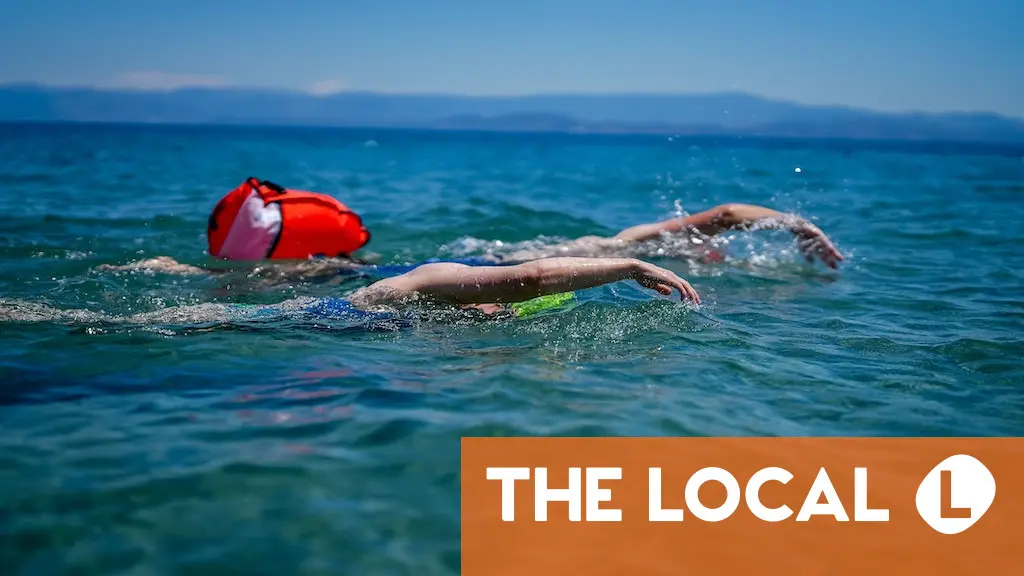
There are several resources available to the public if you want to find out if the seawater of a particular beach in Spain is safe to swim in.
Summer is well and truly here and for those of us living in Spain this often means weekends spent at the beach, holidays by the coast and taking a dip whenever we can to cool down.
Not all beaches here are equal, however, and water quality can vary a lot in different areas of the country, but also in different municipalities along the same coastline.
For example, the water quality in Barcelona is not the same as that found along some parts of the Costa Brava.
So how can you check the seawater quality and how do you know it’s safe?
Firstly, you can consult official environmental health platforms that publish microbiological and sanitary analyses of the seawater in different areas.
NÁYADE
NÁYADE is the platform provided by the Spanish Ministry of Health on the National Bathing Water Information System. Here, you can go into the citizens section and search for any beach in the country to view the history of its water quality as well as the current status.
SEGITTUR
You can also see annual reports from SEGITTUR which is part of Ministry of Industry and Tourism which also has information from Ministry of Health here in English. This also enables you to click on a map and see the status for different beaches.
Unfortunately, however, the latest update for this was in June 2025, so you’re best going with the Spanish one above for more up to date info.
Regional governments
Depending on which area of the country you live, there is more local information available. The governments of each region also provide info on water quality.
This is the platform available for Asturias, while this is for Valencia. You can find the one for region by searching for something like ‘calidad del agua de mar’ and then the name of your region.
READ ALSO: Spain crowned country with most Blue Flag beaches in 2026
Blue Flag beaches
Another way you can make sure you’re going to a beach with good water quality is to see if it has Blue Flag status. Blue Flags are awarded by the Foundation for Environmental Education (FEE) and recognises beaches for their water quality, environmental management, safety, and the quality of facilities.
In 2026, Spain has a total of 677 Blue Flag beaches, 35 more than last year and more than any other country in the world.
You ca see a map here of all the Blue Flag beaches in the world. Zoom into Spain and your area to find your nearest one.
Black Flag beaches
Spanish environmental group Ecologists in Action ‘awards’ certain beaches Black Flags which show you which beaches don’t have good water quality.
They rate beaches on poor waste management, pollution, overcrowding from tourism, nearby building projects, port expansions, the accumulation of rubbish, coastal erosion, and their detrimental effects on biodiversity.
This means that all the Black Flag beaches are not necessarily polluted but may suffer from overcrowding or the authorities are not using environmentally friendly ways of keeping them clean.
Here is a map of the latest Black Flag beaches from 2025.
They don’t have an updated map for this year yet, but if they were awarded a Black Flag last year it’s likely that the same ones will have them this year.
Make sure by checking them against other sources above.
Use common sense
You can sometimes check the water quality yourself depending on what it looks like. Look at the colour of the water, see what it smells like, see if there’s anything floating in it etc. Avoid swimming near river mouths, drainage pipes, areas with trash, or places with heavy boat traffic.
