
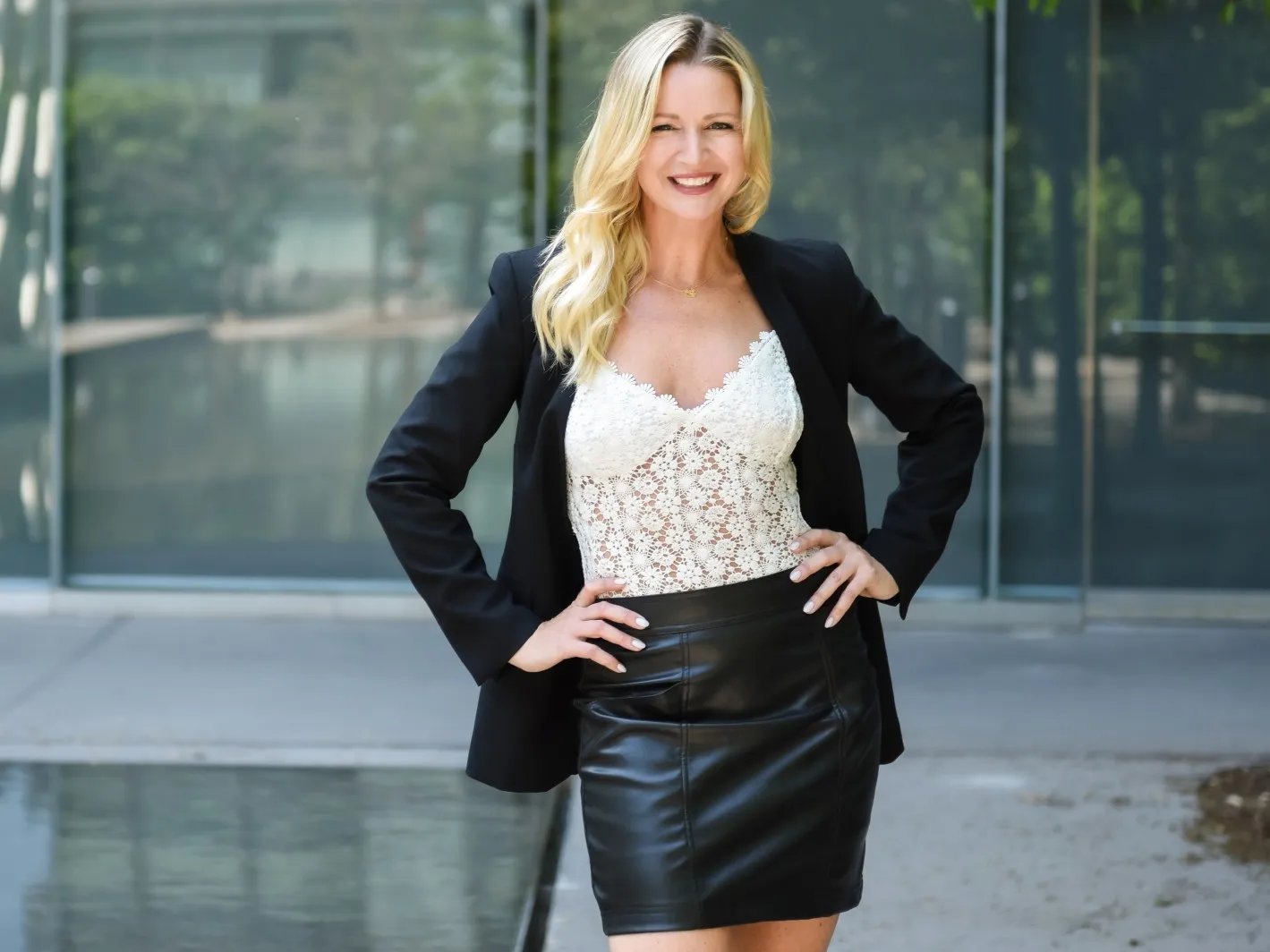
Sarah Lauren Semkowski was in Toronto and on Hinge when she noticed the conversations were going nowhere. Matches stalled in the app and rarely became dates.
So she stopped using it. “It’s kind of a waste of time to be paying for this app,” she said. Hinge is free to download, but the free tier caps users at a set number of likes a day. Unlimited likes and features, like seeing everyone who has liked you, come with a paid subscription, which run from about $17 to $50 a month.
Dating apps are losing users, and the industry is betting on artificial intelligence to stop the decline. AI can now write a dating profile, draft messages and generate profile photos.
Bumble’s annual revenue fell to $966 million in 2025, down from $1.07 billion the year prior. Match Group, which owns Tinder and Hinge, has reported declining subscribers for more than a year. About 80 per cent of Gen Z and millennial users say they feel burned out by the dating apps, according to Forbes .
Dating app burnout
Burnout is the business model, says Treena Orchard, an associate professor in Health Studies at Western University, and the author of Sticky, Sexy, Sad, a 2024 book on dating apps. “Failure is built into the apps,” she said. “Because if you found someone that you really like right away, you’re going to stop using their product.”
Enter artificial intelligence. Bumble said in May it is dropping the swipe entirely along with its women-message-first rule, handing matchmaking to an AI assistant called Bee. Hinge added a tool that suggests opening lines to daters. Founder Whitney Wolfe Herd has floated AI concierges that date other people’s concierges.
A Match and Kinsey Institute survey of more than 5,000 American singles last June found 26 per cent were using AI in their dating lives, a 333 per cent jump from the year before. There is no comparable Canadian survey.
Driving the trend, say dating professionals, is the generation that grew up on dating apps who are losing the skill of connecting in person.
“Social media makes people more awkward in person,” says Semkowski, 26, who spent five years on dating apps. Now a dating influencer, with almost a million followers on TikTok, and more than 250,000 on Instagram, where she posts as Sarah Lauren, she gives dating advice and talks about her own dating life.
“That human interaction has gotten lost,” she says. “You can be one thing behind a screen and it’s totally different with a conversation in person.”
Shannon Tebb is a matchmaker and dating coach who has run her Toronto practice, Shanny in the City , since 2010. She says clients arrive burned out by the dating apps and unsure of how to talk to someone in person. She, too, blames the phone, and the convenience it provides in daily life.
“Everything is so instantly at our fingertips,” Tebb said. “Instead of going to the grocery store, we can order Instacart. Instead of going to shop, we can go on Amazon and have it at our door. So there’s less chance of having that human experience, because a lot of times you’re sitting inside and isolating yourself.
“What’s happening right now is men aren’t approaching women,” Tebb said, because they fear rejection, while women wait to be approached. “So nobody’s doing anything.”
Semkowski agreed. “We’ve lost it with flirting. No one knows how to do that other than online.”
Going back to basics
AI is not the fix for that, said Orchard, the academic. “How is AI going to make the human experience more human? That’s so deceptive and that’s so creepy.” The apps, she said, “feed us this myth of hyper connectivity, but people are feeling lonely.”
And AI has yet to manufacture chemistry. “You have to get in front of someone, you have to feel their energy, you have to hear their voice. It’s not something that happens behind a screen,” said Trebb.
Science backs that up. Mahdi Roghanizad, an assistant professor at Toronto Metropolitan University’s Ted Rogers School of Management, studies what happens when a screen sits between two people. The part of the brain that processes social signals does not activate when people are not face to face, which can drop the accuracy of “reading” a stranger to chance, he wrote in an email to National Post.
“Our social brain evolved in a face-to-face environment and remains most effective in that exact form of communication,” Roghanizad said.
Curated dating profiles already let people present an idealized self. Using AI makes “it even easier for a (person) to move away from their real self,” he argued. And the mismatch surfaces at the first meeting in person.
Some dating app drop-outs are getting back to basics. Tebb said her clients are turning to book clubs, running groups and real-time meetups like organized coffee parties for the connections the apps did not deliver.
“It’s not a dead dating world,” added Semankowski, “but the effort needs to be put in.”
Our website is the place for the latest breaking news, exclusive scoops, longreads and provocative commentary. Please bookmark nationalpost.com and sign up for our daily newsletter, Posted, here.
