
);
}
function setButtonState(button, state) {
const hint = button.parentElement && button.parentElement.querySelector(‘[data-author-follow-hint]’);
const followLabel = button.dataset.followLabel || ‘Follow’;
const followingLabel = button.dataset.followingLabel || ‘Following’;
const signinLabel = button.dataset.signinLabel || ‘Sign in to follow’;
const loadingLabel = button.dataset.loadingLabel || ‘Saving…’;
const pendingAuthLabel = button.dataset.pendingAuthLabel || ‘Loading…’;
button.classList.remove(‘is-following’, ‘is-loading’, ‘is-auth-required’);
if (state === ‘loading’) {
button.classList.add(‘is-loading’);
button.disabled = true;
button.textContent = loadingLabel;
if (hint) {
hint.textContent=”Updating your followed authors…”;
}
return;
}
if (state === ‘pending-auth’) {
button.classList.add(‘is-loading’);
button.disabled = true;
button.textContent = pendingAuthLabel;
if (hint) {
hint.textContent=”Checking your sign-in status…”;
}
return;
}
button.disabled = false;
if (state === ‘following’) {
button.classList.add(‘is-following’);
button.textContent = followingLabel;
if (hint) {
hint.textContent = followingLabel === ‘Unfollow’
? ‘Remove this writer from your followed list.’
: ‘Click again to unfollow.’;
}
return;
}
if (state === ‘signin’) {
button.classList.add(‘is-auth-required’);
button.textContent = signinLabel;
if (hint) {
hint.textContent=”Sign in to follow writers and manage your list.”;
}
return;
}
button.textContent = followLabel;
if (hint) {
hint.textContent=”Click to follow.”;
}
}
function renderWidgets(scope) {
const root = scope || document;
root.querySelectorAll(‘[data-author-follow-widget]’).forEach(function (widget) {
const button = widget.querySelector(‘[data-author-follow-button]’);
if (!button) {
return;
}
const staffId = widget.dataset.staffId;
const hasToken = !!getBearerToken();
if (!isPianoIdentityReady() && !hasToken) {
setButtonState(button, ‘pending-auth’);
return;
}
if (!hasToken) {
setButtonState(button, ‘signin’);
return;
}
if (followedAuthorsMap.has(String(staffId))) {
setButtonState(button, ‘following’);
} else {
setButtonState(button, ‘follow’);
}
});
}
function renderManageList(container) {
if (!container) {
return;
}
const hasToken = !!getBearerToken();
if (!isPianoIdentityReady() && !hasToken) {
container.innerHTML = (
‘
‘
);
return;
}
if (!hasToken) {
container.innerHTML = (
‘
‘
);
return;
}
const followedAuthors = Array.from(followedAuthorsMap.values());
if (!followedAuthors.length) {
container.innerHTML = (
‘
‘
);
return;
}
container.innerHTML = followedAuthors
.map(function (author) {
return (
‘
‘
);
})
.join(”);
bindEvents(container);
renderWidgets(container);
}
async function refresh(scope, options) {
const forceFetch = !!(options && options.force);
if (!hasFollowWidgets(scope)) {
return;
}
// Wipe the cached map BEFORE the first render so a user-switch can’t
// momentarily display the previous user’s “Following” state.
discardCacheIfTokenChanged();
renderWidgets(scope);
const manageContainer = document.querySelector(‘[data-author-follow-manage-list]’);
const managePreferencesContainer = document.querySelector(‘[data-author-follow-manage-preferences]’);
const hasToken = !!getBearerToken();
if (!isPianoIdentityReady() && !hasToken) {
renderWidgets(scope);
renderManagePreferences(managePreferencesContainer);
renderManageList(manageContainer);
return;
}
if (!hasToken) {
renderManagePreferences(managePreferencesContainer);
renderManageList(manageContainer);
return;
}
try {
await loadFollowedAuthors(forceFetch);
renderWidgets(scope);
renderManagePreferences(managePreferencesContainer);
renderManageList(manageContainer);
} catch (error) {
console.warn(‘Unable to load followed authors.’, error);
if (error && error.code === ‘AUTH_REQUIRED’) {
renderWidgets(scope);
renderManagePreferences(managePreferencesContainer);
renderManageList(manageContainer);
}
}
}
function startLoginPoll() {
if (loginPoll) {
clearInterval(loginPoll);
}
let attempts = 0;
loginPoll = setInterval(function () {
attempts += 1;
if (getBearerToken() || isLoggedIn() || attempts > 25) {
clearInterval(loginPoll);
loginPoll = null;
refresh(document, { force: true });
}
}, 1000);
}
function stopPianoReadyPoll() {
if (pianoReadyPoll) {
clearInterval(pianoReadyPoll);
pianoReadyPoll = null;
}
}
function startPianoReadyPoll() {
stopPianoReadyPoll();
let attempts = 0;
pianoReadyPoll = setInterval(function () {
attempts += 1;
if (isPianoIdentityReady() || getBearerToken() || attempts > 40) {
stopPianoReadyPoll();
// Non-forced: if bindPianoInitRefresh already fetched, the TTL
// dedupes this call. If it lost the race, this call wins.
refresh(document);
}
}, 500);
}
function bindPianoInitRefresh() {
if (pianoInitBound) {
return;
}
pianoInitBound = whenPianoReady(function () {
// The Piano init callback is the canonical “identity is ready” signal;
// cancel the fallback poll so it can’t issue a redundant second fetch.
stopPianoReadyPoll();
refresh(document, { force: true });
});
}
async function handleWidgetClick(widget, button) {
const staffId = widget.dataset.staffId;
if (!getBearerToken()) {
setButtonState(button, isPianoIdentityReady() ? ‘signin’ : ‘pending-auth’);
if (typeof window.showPianoLogin === ‘function’) {
window.showPianoLogin();
startLoginPoll();
}
return;
}
// If the identity changed since the cache was last filled, drop the stale
// map before the follow/unfollow decision below — otherwise the click
// could issue the wrong action against the previous user’s state.
discardCacheIfTokenChanged();
setButtonState(button, ‘loading’);
try {
if (followedAuthorsMap.has(String(staffId))) {
await apiRequest(apiBaseUrl + “https://www.washingtontimes.com/” + staffId, { method: ‘DELETE’ });
followedAuthorsMap.delete(String(staffId));
removePushlyFollowedAuthorId(staffId);
} else {
const author = await apiRequest(apiBaseUrl + “https://www.washingtontimes.com/” + staffId, {
method: ‘PUT’,
body: JSON.stringify({
push_enabled: followDeliveryPreferences.push_enabled,
email_fallback_enabled: followDeliveryPreferences.email_fallback_enabled,
}),
});
followedAuthorsMap.set(String(staffId), author);
appendPushlyFollowedAuthorId(staffId);
}
saveStoredFollowDeliveryPreferences(
deriveFollowDeliveryPreferences(Array.from(followedAuthorsMap.values())),
);
syncPushlyFollowedAuthorsProfile();
renderManagePreferences(document.querySelector(‘[data-author-follow-manage-preferences]’));
renderWidgets(document);
renderManageList(document.querySelector(‘[data-author-follow-manage-list]’));
} catch (error) {
console.warn(‘Unable to update followed author.’, error);
if (error && error.code === ‘AUTH_REQUIRED’) {
setButtonState(button, ‘signin’);
}
renderWidgets(document);
}
}
function bindEvents(scope) {
const root = scope || document;
root.querySelectorAll(‘[data-author-follow-widget]’).forEach(function (widget) {
if (widget.dataset.followWidgetBound === ‘true’) {
return;
}
widget.dataset.followWidgetBound = ‘true’;
const button = widget.querySelector(‘[data-author-follow-button]’);
if (!button) {
return;
}
button.addEventListener(‘click’, function () {
handleWidgetClick(widget, button);
});
});
root.querySelectorAll(‘[data-author-follow-manage-preferences]’).forEach(function (container) {
if (container.dataset.followGlobalPreferencesBound === ‘true’) {
return;
}
container.dataset.followGlobalPreferencesBound = ‘true’;
async function handlePreferenceChange() {
const pushInput = container.querySelector(‘[data-author-follow-global-pref=”push”]’);
const emailInput = container.querySelector(‘[data-author-follow-global-pref=”email”]’);
if (!pushInput || !emailInput) {
return;
}
const previousPreferences = {
push_enabled: followDeliveryPreferences.push_enabled,
email_fallback_enabled: followDeliveryPreferences.email_fallback_enabled,
};
const payload = {
push_enabled: !!pushInput.checked,
email_fallback_enabled: !!emailInput.checked,
};
// Drop a stale map if the identity changed before iterating — we
// don’t want to issue follow updates against the previous user’s
// authors with the current user’s bearer token.
discardCacheIfTokenChanged();
const followedAuthors = Array.from(followedAuthorsMap.values());
saveStoredFollowDeliveryPreferences(payload);
managePreferencesPending = true;
pushInput.disabled = true;
emailInput.disabled = true;
try {
await Promise.all(
followedAuthors.map(function (author) {
return updateFollowPreferences(author.id, payload);
}),
);
renderManagePreferences(container);
renderWidgets(document);
renderManageList(document.querySelector(‘[data-author-follow-manage-list]’));
} catch (error) {
console.warn(‘Unable to update author follow preferences.’, error);
saveStoredFollowDeliveryPreferences(previousPreferences);
pushInput.checked = previousPreferences.push_enabled;
emailInput.checked = previousPreferences.email_fallback_enabled;
} finally {
managePreferencesPending = false;
pushInput.disabled = false;
emailInput.disabled = false;
}
}
container.addEventListener(‘change’, function (event) {
const target = event.target;
if (!target || !target.matches(‘[data-author-follow-global-pref]’)) {
return;
}
handlePreferenceChange();
});
});
}
function init(scope) {
const root = scope || document;
if (!hasFollowWidgets(root)) {
return;
}
bindEvents(root);
renderWidgets(root);
bindPianoInitRefresh();
startPianoReadyPoll();
refresh(root);
}
window.WTAuthorFollow = {
init: init,
refresh: refresh,
};
document.addEventListener(‘DOMContentLoaded’, function () {
init(document);
});
window.addEventListener(‘focus’, function () {
if (hasFollowWidgets(document)) {
refresh(document);
}
});
document.addEventListener(‘visibilitychange’, function () {
if (!document.hidden && hasFollowWidgets(document)) {
refresh(document);
}
});
} else {
window.WTAuthorFollow.init(document);
}
})();
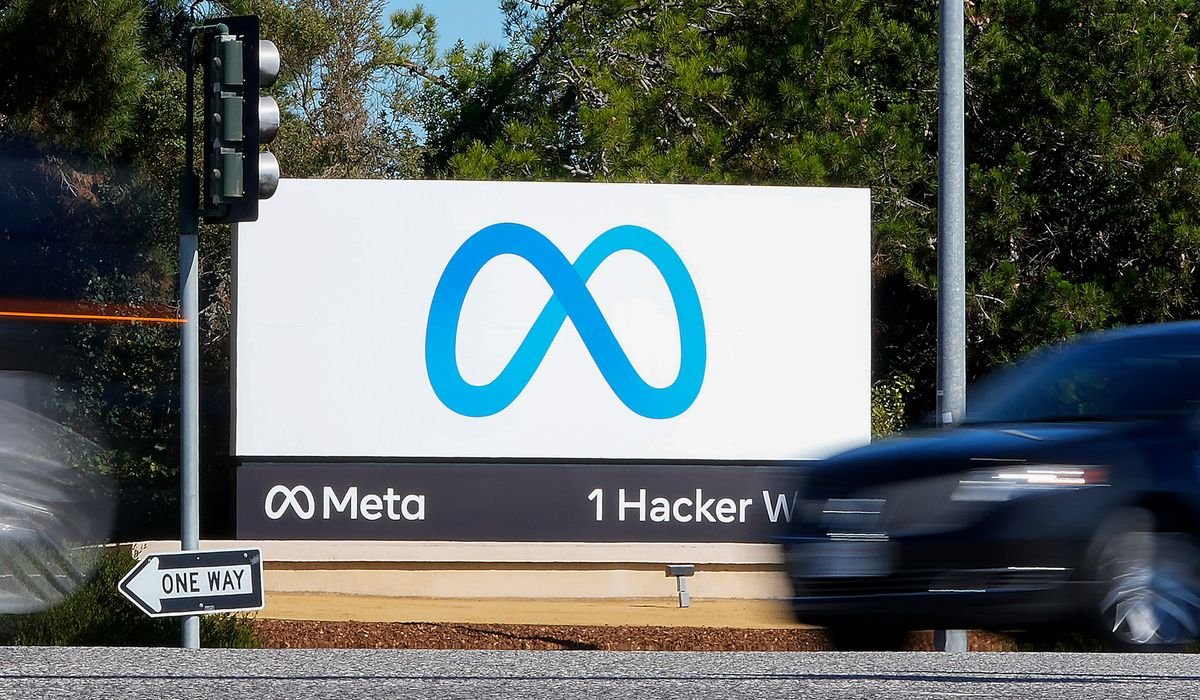
A car passes Facebook’s new Meta …
more >
Meta has axed a feature in its new AI image generation model that allowed users on Instagram to create images drawing on the publicly available media of other users.
In an update Friday, Meta said, “Our intent was to provide a useful creative tool and to give people control over whether their public content could be referenced in this way. We’ve heard the feedback that this feature missed the mark, so it’s no longer available.”
The feature was rolled out as part of the launch of Meta’s Muse Image model this week.
The feature was turned on by default, though users were able to go into their Instagram settings to disable the use of all of their public media for generating content via Muse Image and could turn off the use of publicly available photos or Instagram videos by the AI model.
Following the announcement of Muse Image, Meta came under fire for allowing the creation of AI content from people’s media without notifying them, including from groups that represent people with public-facing social media accounts with large followings like talent agency CAA and the Screen Actors Guild-American Federation of Television and Radio Artists (SAG-AFTRA).
CAA said in a statement following the removal of the feature that it commends “Meta for its swift decision to remove the Muse Image feature. Putting individual rights and consent at the forefront is essential to building responsible technology,” according to Deadline.
According to Deadline, officials at SAG-AFTRA echoed the sentiment, saying, “We appreciate its discontinuance. It is the responsible thing to do.”
Latest Video
