
GSK has results from a pivotal clinical trial showing rectal cancer patients treated with its drug avoided the need for the much more invasive surgical removal of their tumors. The pharmaceutical company now plans to share the data with health authorities as it prepares to seek regulatory approvals, including a particularly speedy review by the FDA.
The drug, dostarlimab (brand name Jemperli), is in development for a subset of rectal cancers whose tumors are unable to properly repair DNA damage. Without disclosing specific figures, GSK said Monday that the drug met the main goal of this pivotal Phase 2 study, showing a “meaningful and sustained complete response rate” measured at 12 months. The company said that means no signs of cancer were observed one year from the end of treatment, as assessed by medical imaging, endoscopy, and a digital rectal exam. In these preliminary results, GSK said Jemperli’s safety and tolerability profile was consistent with prior studies. The company plans to present detailed results at a future scientific meeting.
Jemperli is a monoclonal antibody designed to block PD-1, a so-called checkpoint protein on immune cells that keeps them from recognizing cancer cells. The intravenously infused therapy is already approved for treating endometrial cancer that’s classified as mismatch-repair deficient (dMMR), meaning it has specific genetic characteristics that render it unable to properly repair DNA damage. An estimated 5% to 10% of rectal cancers have such deficiencies. In the endometrial cancer indication, Jemperli is used in combination with standard-of-care chemotherapies.
Chemotherapy is a standard treatment for rectal cancer. Radiation is another one. Both options typically precede surgery, which can be curative. But all of these treatments come with complication risks, and following surgery, patients may need to use a colostomy bag to collect human waste. While the use of such a bag can be temporary, for some patients it’s lifelong.
In the rectal cancer indication, Jemperli may enable patients to avoid the need for chemo, radiation, and surgery. The drug made headlines during the 2022 annual meeting of the American Society of Clinical Oncology, when Memorial Sloan Kettering (MSK) scientists presented results from an investigator-initiated study showing 100% complete responses in 12 patients. Those patients did not need to receive radiation treatment, nor did they require surgery.
Based on the encouraging MSK results, GSK sponsored a larger Phase 2 test of Jemperli in rectal cancer. Interim results presented at the 2025 annual meeting of the American Association for Cancer Research showed the study drug cleared tumors and enabled patients to avoid surgery. In the 48 patients who completed six months of treatment, all of them achieved a clinical complete response, and they did not require surgery to remove the primary tumor. These results were published in the New England Journal of Medicine.
GSK’s single-arm Phase 2 test enrolled a total of 154 participants who received nine cycles of the study drug over six months. Hesham Abdullah, GSK’s global head oncology, R&D, said in a prepared statement that the company’s clinical trial results support the potential for Jemperli to transform treatment of locally advanced rectal cancer that carries the DNA repair signature addressed by the drug.
“For many patients today, rectal cancer treatment comes with the tolerability burden and lasting impacts from chemotherapy, radiation and surgery,” Abdullah said. “These data demonstrate that some patients may be able to avoid those interventions while remaining free of detectable signs of cancer.”
Jemperli was initially developed by AnaptysBio, which had licensed the drug to Tesaro. GSK acquired Tesaro in 2018. For 2025, GSK reported £861 million (about $1.1 billion) in Jemperli revenue, making it the company’s top-selling oncology product. GSK’s quest to add rectal cancer to the product’s label could receive a particularly speedy FDA decision. Last fall, the agency awarded Jemperli a Commissioner’s National Priority Review Voucher, part of a pilot program for drugs that address a national health interest, such as an unmet medical need. These vouchers cut regulatory review to one or two months, down from a standard 10-month review.
So far, two cancer drugs have been approved under the new FDA voucher program: Boehringer Ingelheim’s Hernexeos for non-small cell lung cancer and Bizengri, a Partner Therapeutics drug for cholangiocarcinoma.
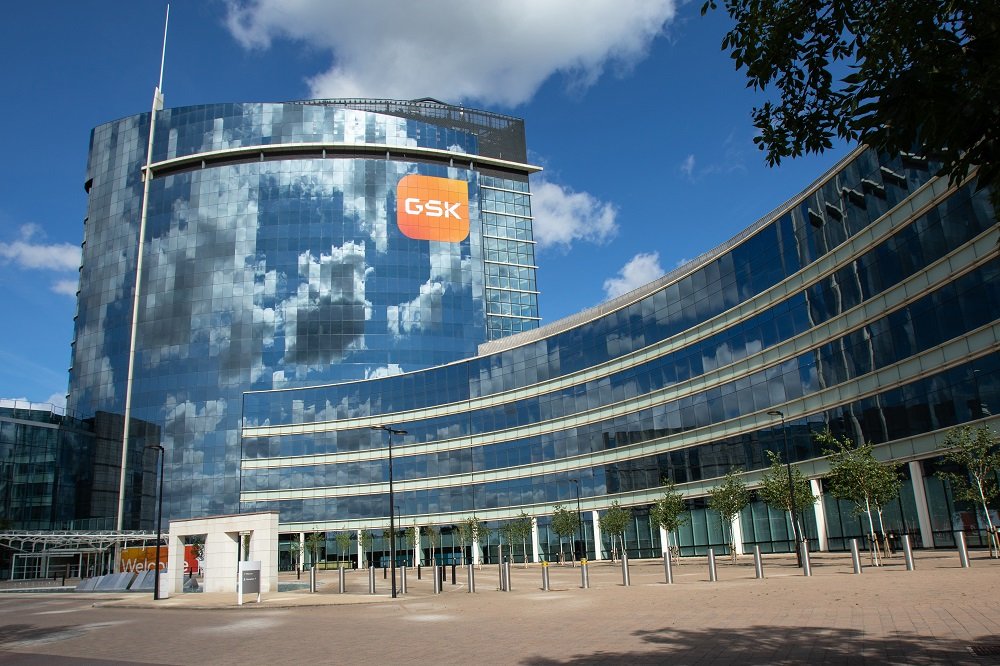
Photo by GSK
