
– Paul Urkijo Alijo draws on Basque folklore and oral tradition to deliver a forbidden love story transcending reality
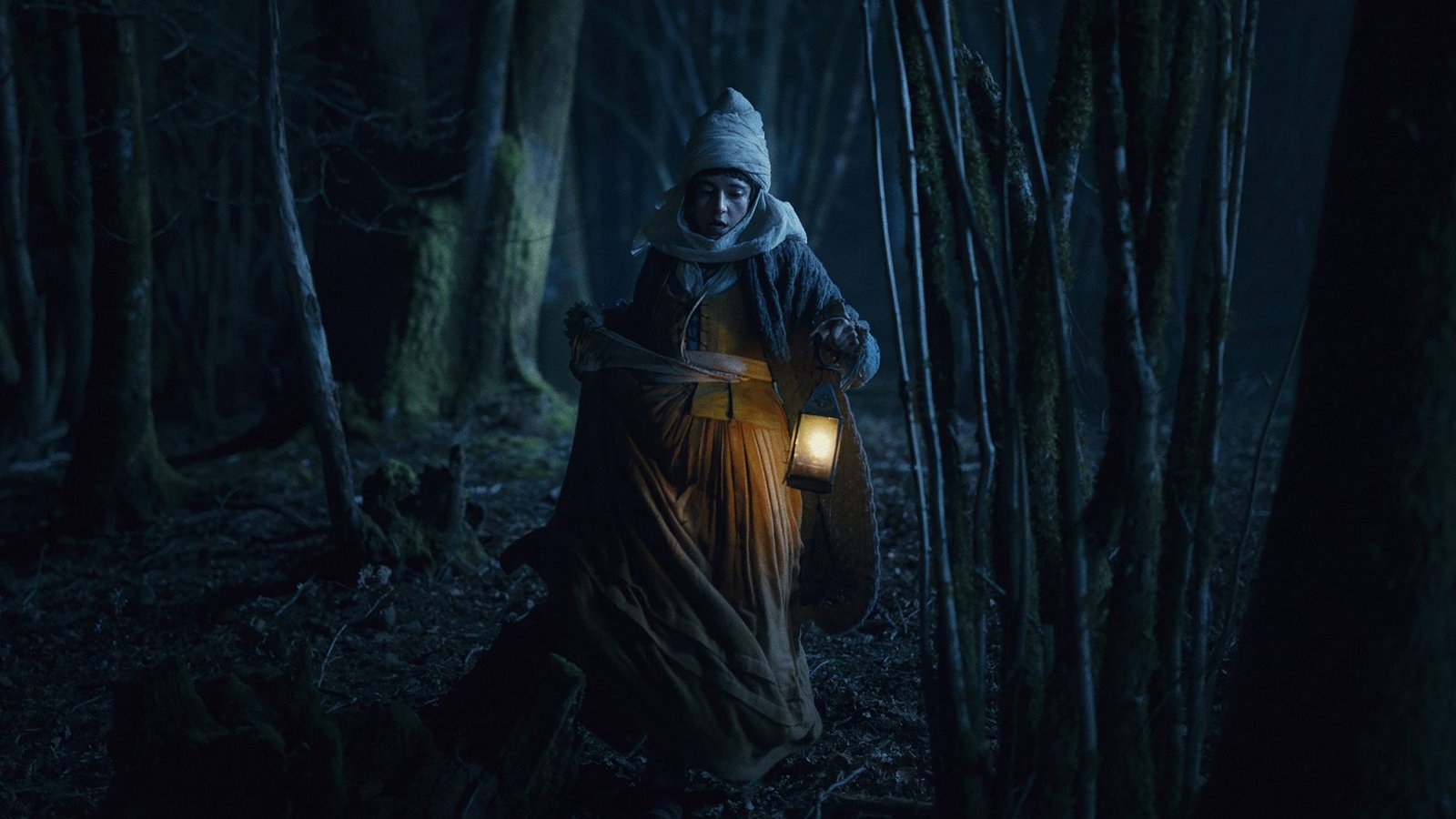
Yune Nogueiras in Gaua
As one of the leading lights of Spanish folk horror, a subgenre revisiting local myths and legends – of the Basque variety in this instance – director Paul Urkijo Alijo confirms his innate talent with Gaua. His third feature in the Basque language is a true ode to the oral tradition, which is passed down primarily by women, reinterpreting it cleverly and meticulously, and preserving its identity whilst also freeing it from a suffocating layer of moralism. Gaua, which means “the night”, world-premiered in the Sitges Fantastic Film Festival before screening in IFFR and, more recently, competing for the H.R. Giger Narcisse Award in the International Competition organised within the Neuchâtel International Fantastic Film Festival (NIFFF).
Set in the 17th century, the film explores the story – or rather the legend – of the war between day and night, light and darkness, good and evil. Young bride Kattalin (played with intensity by Yune Nogueiras) ventures into the obscurity of a forest populated by mysterious, unsettling creatures, determined to take back control of her life at a time when women are being systematically persecuted with accusations of witchcraft. A captivating gothic fairy tale teeming with curious beings wearing the typical ogival-shaped headdress associated with Basque women at that time, Gaua soon reveals its full revolutionary potential through the love story between its heroine and her best friend, Maritxu (Erika Olaizola). Possessed by a spirit which we discover belongs to her grandfather, who’s come back to torment and punish her for her ignoble sin, Maritxu dies in horrific circumstances, giving Kattalin the strength to win back her freedom. The price she must pay to free herself from social obligations will be to look the moon, Gaua, in the eye without wholly losing herself.
Accompanying Kattalin on this journey into darkness are three mysterious women she meets on the run: Graxiana (Elena Irureta), Beltra (Ane Gabarain) and Reme (Iñake Irastorza). Serving as a kind of protective trio, the three friends share a profound desire for freedom and the need to express their desires openly without fear of being branded witches, because, at that time, the slightest pretext was enough to condemn a woman to the stake and silence her forever. Without ever sliding into the stereotypes which so often hamper witchcraft films, with their overused special effects and magic potions, Gaua stays firmly rooted in its source tradition, exploring the darkness with courage and resolve. Enriched by a percussion-driven score which shakes audiences to the core, the film tells a forbidden love story recalling the power of Céline Sciamma’s Portrait of a Lady on Fire.
Unsettling, moving and aesthetically powerful, Gaua draws viewers into a world deeply rooted in the Basque territory whilst also turning it into a universal story: a visceral need for freedom that everyone – and every woman in particular – can identify with.
Gaua was produced by Irusoin, Ikusgarri Films and Gaua AIE. Filmax are handling international sales.
(Translated from Italian)
