
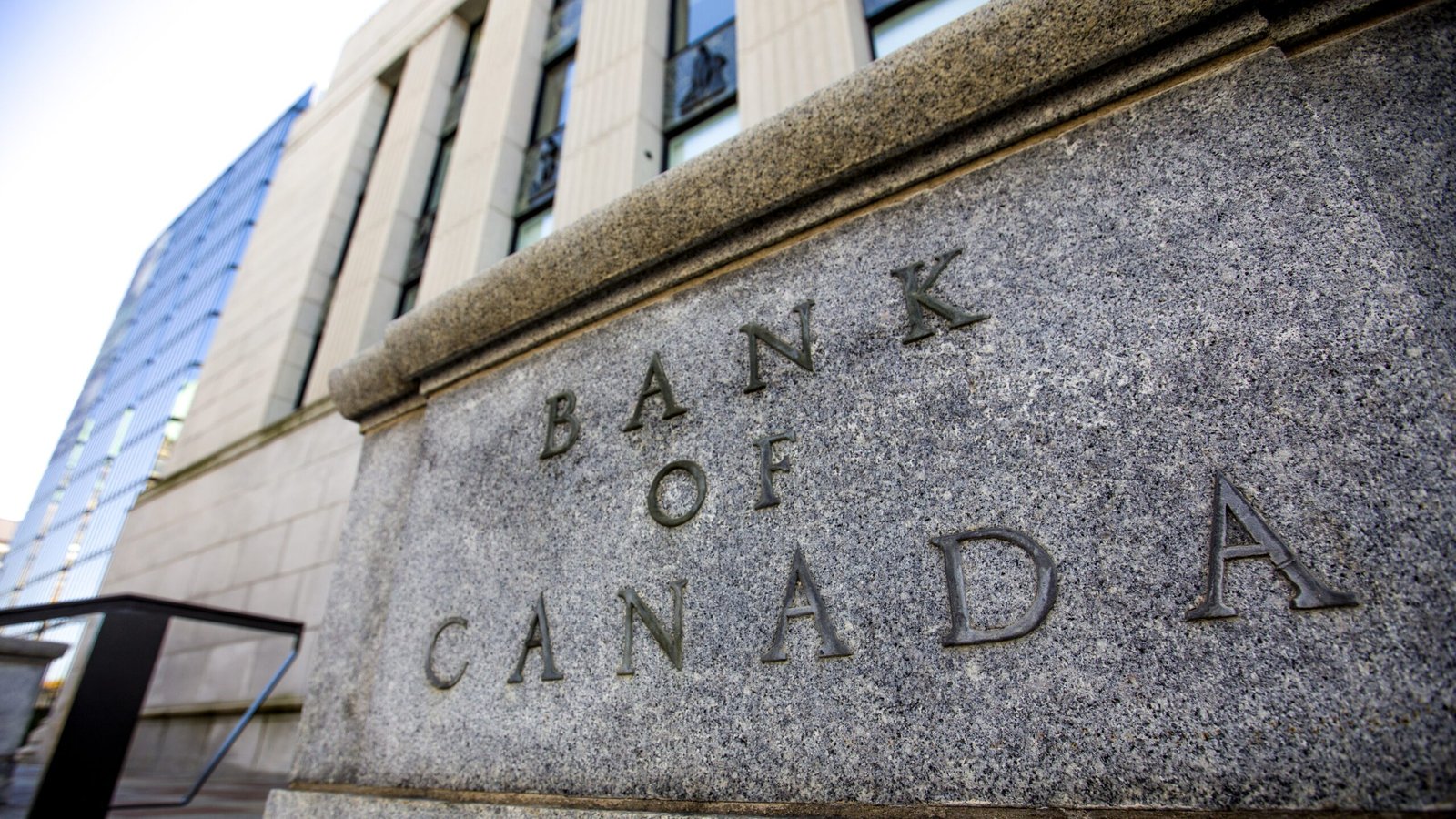
The Bank of Canada held its overnight rate at 2.25 per cent on Wednesday—a widely expected move, but one delivered with a dovish tone amid ample signs of economic recovery.
Job gains have improved domestically, financial conditions have eased and equities continue to climb despite elevated energy prices and an economy that is just beginning to turn. The housing market, unsurprisingly, remains weak—but is showing signs of stabilization as sales pick up in select cities.
We expect the central bank to hold the rate at 2.25 per cent through the end of the year before hiking it in early 2027.
Energy remains the wild card. So far, inflation has been solely concentrated in energy and food; core inflation remains anchored at 2 per cent.
Read RSM Canada’s latest analysis in The Real Economy Canada and subscribe for more updates.
The economic uncertainty caused by the effects of the war Middle East conflicts remains immense. If there is increasing evidence that energy-induced inflation becomes more entrenched and persistent, a hike could come sooner.
Given current economic conditions, we think the Bank of Canada could increase its interest rate in September if needed. However, the bank’s dovish approach to its latest announcement may suggest a longer road to economic recovery due to trade uncertainty.
Some optimism on the horizon?
Canada’s economy has struggled for the past year due to tariffs and trade tension with the U.S., alongside elevated energy prices.
This latest decision comes with a much more positive outlook on the domestic economy, as growth is expected to pick up as the effects of tariffs fade.
This marks a distinct departure from the central bank’s June statement, which emphasized a weak job market and falling exports.
The Bank of Canada expects growth to increase to 1.5 per cent in the second half of 2026 and reach 1.8 per cent in 2027 and 2028, according to its latest monetary policy report. While these figures are not stellar, they’re a clear improvement from the first half of this year.
Inflation is expected to ease back to the central bank’s 2 per cent target since gasoline prices have fallen from their peak. This projection is conditional on developments in the Middle East and a neutral-to-favourable outcome in trade talks with the U.S.
