
The GLP-1 era is here. The drugs are working. The pounds are coming off.
But if we do not get this right, we may inadvertently cause a new sarcopenia epidemic while congratulating ourselves on solving obesity.
As a practicing emergency medicine physician for over 25 years, I have observed the profound medical and social challenges that our patients with obesity suffer on a day to day basis. Not only do they have to suffer through the consequences of cardiometabolic disease, diabetes, dyslipidemia, and stroke, but they have to deal with the indignity of the medical system telling them that their condition was simply a matter of willpower.
Luckily, we now know that genetics, hormones, sleep, stress, and medications all play important roles in our patients’ weight, and that weight loss is not simply a matter of willpower.
We are also fortunate to be living through a revolution in treatment, specifically when it comes to the GLP-1 agonists. Currently, 12% of US adults are taking a GLP-1 receptor agonist for treatment to lose weight or treat a chronic condition.
But there is a problem hiding in plain sight.
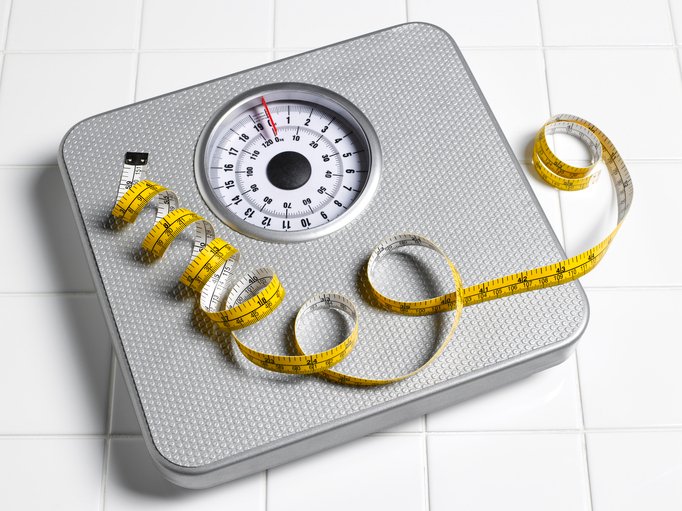
Clinicians have always been limited by what we can measure. For weight, the tool has always been the scale, but in the GLP-1 era, it is no longer enough. Now, the real question is – where is the weight coming from? Muscle or fat?
A March 2025 review and meta-analysis of 22 randomized trials estimated that roughly 25% of GLP-1-associated weight loss came from lean mass. Other reviews have found wide variation, with some trials reporting lean mass loss in the 40% to 60% range of total weight lost.
In practice, a patient who loses 50 pounds on semaglutide looks like a success on every standard metric: scale weight, BMI, waist circumference. But if too much of that weight loss is lean tissue, the clinical story changes. Put more plainly, based on those studies: that 50-pound weight loss could include anywhere between 12 and 30 pounds of lean mass.
The scale cannot tell you this.
That distinction matters because muscle matters. Skeletal muscle is critical for metabolic health and mobility. In fact, skeletal muscle accounts for up to 80% of insulin-mediated glucose uptake. Muscle loss impairs one’s glycemic control despite an improving BMI.
Bone matters too, especially as patients get older and fall risk rises. Already falls are the leading cause of injury among adults age 65+, according to the CDC.
If we treat obesity successfully but allow patients to lose too much muscle and bone in the process, we’re offsetting the gains from obesity reduction by an increase in catastrophic fractures. Sarcopenia, which is characterized by accelerated decline in muscle mass and function, resulting in increased risk of frailty, falls, functional decline, and mortality, may become the unintended consequence of GLP-1 treatment.
This is especially urgent because GLP-1 use is not limited to young, otherwise healthy patients. Current use is highest among adults in the 50-to-64 age range, where 22% are currently using these medications. That age range is exactly when preserving muscle and bone starts to matter more, not less.
Clinicians know this in principle. But without the right tools, they cannot act.
In recent years, the consumer world has proliferated with “smart” scales of varying quality. Medicine needs better tools. Fortunately, FDA-cleared medical-grade imaging technology already exists that can see what scales cannot.
Historically, medical students have been taught to associate DEXA scans solely with bone disease and osteoporosis. Many are still unaware that DEXA scans are gaining adoption clinically as gold standard body composition tools, used to assess fat mass, lean soft tissue, and bone mineral content.
DEXA estimates visceral adipose tissue, which matters enormously for assessing longer-term cardiometabolic risk. DEXA also calculates an appendicular lean mass index, which is the standard in diagnosing sarcopenia, along with grip strength and physical performance.
Most importantly, regular DEXA measurements provide real feedback for interventions and changes in the care plan such as recommending more protein, more resistance training, slower dose escalation, physical therapy, or a different follow-up cadence. This will improve the way we monitor treatment, especially as DEXAs become more widespread and accessible.
Ultimately, the definition of success in obesity treatment should not be the lowest possible number on the scale. It should be sustained body recomposition that preserves strength, mobility, bone health, and metabolic resilience.
GLP-1s have given medicine a powerful new tool. But powerful tools require better monitoring. If we want to deliver the highest quality care in the GLP-1 era, we have to stop pretending that all weight loss is the same.
We have to start measuring what matters.
Photo: Peter Dazeley, Getty Images
Vivek Chander, MD, Lead Clinical Advisor of BodySpec, is a telemedicine innovator with over 25 years of experience in emergency medicine and a passion for advancing patient-centered care through cutting-edge technology and quality assurance. Licensed in all 50 U.S. states and the District of Columbia, Chander specializes in developing and implementing telemedicine solutions across weight loss, urgent care, women’s health, and emerging fields like longevity. His early career as an attending emergency physician allowed him to treat over 80,000 patients while
This post appears through the MedCity Influencers program. Anyone can publish their perspective on business and innovation in healthcare on MedCity News through MedCity Influencers. Click here to find out how.
