
“That perspective really came from a desire to focus on how this place works and what the lives of the people who live here actually feel like”
– The New York-based filmmakers explore new ways to render the feeling of home in times of ecological collapse
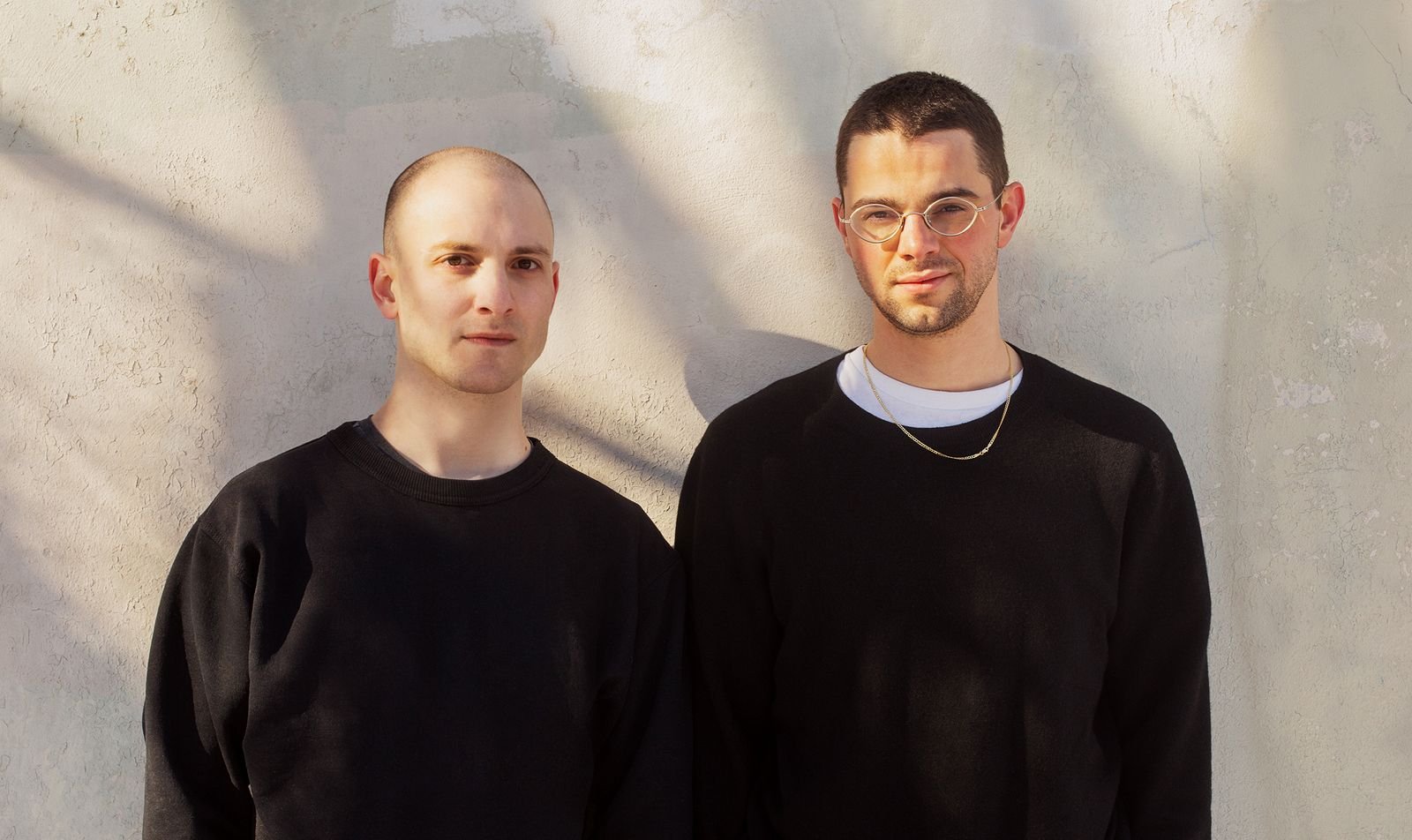
Jack Wedge (right) and William Freudenheim
Every year, Fest Anča in Žilina, Slovakia showcases some of the most outstanding works in the world of animation. In this year’s out-of-competition sections, Acid City stands out as a compelling 12-minute animated documentary short exploring ecological collapse in a world reshaped by ocean acidification.
We spoke with Jack Wedge and William Freudenheim, directors and co-founders of the animation studio Laser Days, about their long-standing collaboration and the meaning behind their project, narrating a dystopian vision of the future in the face of climate change.
Cineuropa: How did your collaboration start?
Jack Wedge & William Freudenheim: Will and I met when we were twelve years old. We grew up about an hour outside New York City and have been collaborating since middle school, so it’s been quite a while now. Will is a game-designer, and I’m more of a filmmaker. Together, we run an animation studio called Laser Days, based in Ridgewood, Queens. The studio operates out of an artists’ collective space, which we share with a bunch of sculptors, game designers, animators and writers.
Was setting the short in New York tied to a personal need to tell a story about the city?
New York wasn’t necessarily the starting point. The movie became more about New York City as we were working on it. A big recurring theme in our work is telling stories about environments, how they’re alive, and how there are systems all around us shaping everything, shaping our world. Systems that are bigger than any one specific character in a story. That was sort of the first goal. But making the movie was a big journey, and we learned a lot along the way. Our practice is centred on experimenting with new ways to make movies – Acid City, for instance, was made in a game engine.
In the end, Acid City really is a love letter to New York, because it’s our home. That’s one of the big themes in the movie: home and what that means. So New York was definitely a big engine behind the film – it was the biggest inspiration. Acid City is composed of many different places from all around the world, but principally, it’s New York, which is the heart of it.
Why did you choose an ethnographic approach to explore the city, and how does that connect to the film’s themes of ecological collapse?
The engine behind it, or the sort of arc, was that we wanted to feel what it’s like to live in this place. I think that perspective really came from a desire to focus on how this place works and what the lives of the people who live here actually feel like. For this reason, a lot of the interviews are about the daily life of the people who live there or about the infrastructure and mechanisms that make the city function – whether that’s water treatment, waste or how people’s daily routines mean they’re mostly out at night and home during the day.
I think that perspective really came from a desire to focus on how this place works and what the lives of the people who live here actually feel like. The interviews are structured around that, and it’s a mixture of real interviews from people primarily in New York and some more fictional interviews peppered in as well.
One of the big goals with the movie was to really visualise what the future is going to be like. But then we realised it’s not even really the future anymore. The climate crisis is so present and extreme now that it’s just… the present.
