
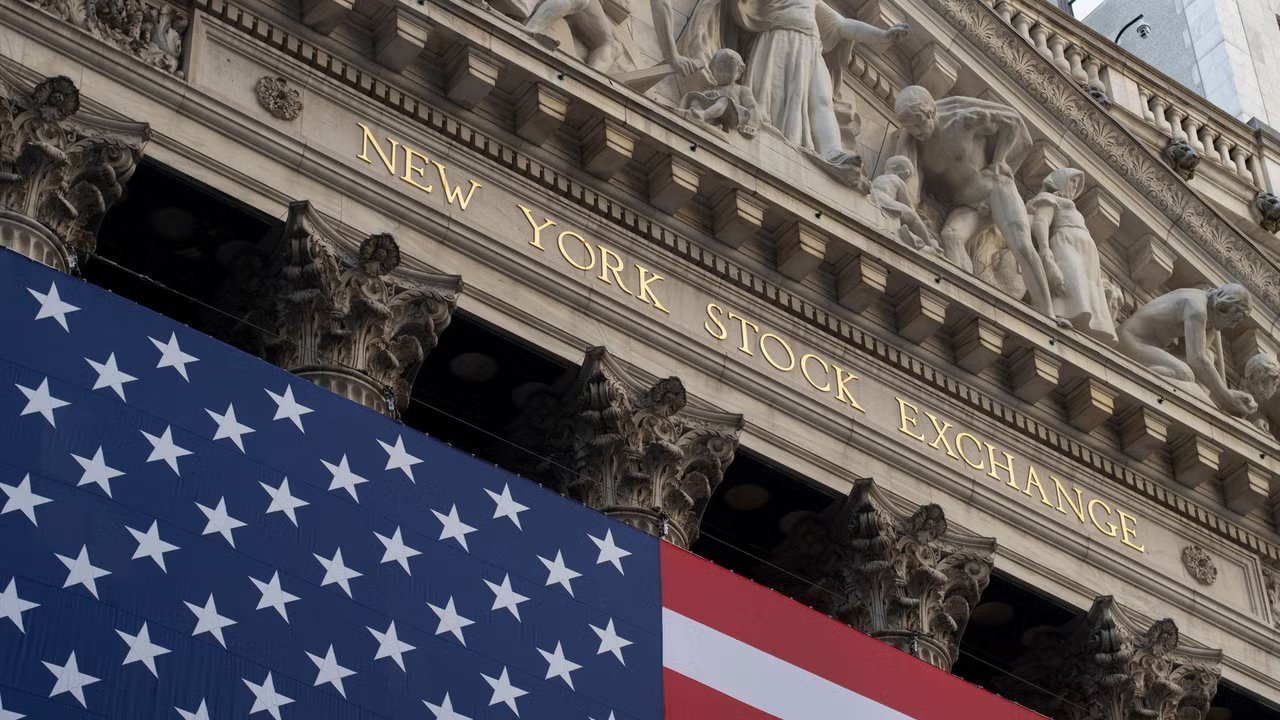
It has been a busy year for Wall Street debuts.
While a few IPOs have captured most of the headlines, 203 companies have begun trading on either the New York Stock Exchange or Nasdaq market so far in 2026. Many made splashy entrances, but their performance has been more uneven since the spotlight moved to the next major offering.
The Dow Jones Industrial Average has gained 7.5% this year, while the S&P 500 has climbed 9%. New listings have been more of a mixed bag. In total, roughly 49% of the companies that have gone public this year have seen their share prices decline.
That figure includes special purpose acquisition company (SPAC) listings. Excluding those, 38 of the 76 operating-company IPOs are currently trading below their offering prices, according to Stock Analysis.
The largest IPO of the year (and of all time) is among the companies that have lost momentum since beginning to trade. Shares of SpaceX were below $123 in midday trading Monday, well below both the stock’s first-trade price of $160.95 and its listing price of $135 per share. Elon Musk’s rocket and AI company is down 45% from its post-IPO high.
Many analysts had predicted SpaceX’s decline, citing a valuation of 107 times sales and continuing concerns about the company’s spending. Most analysts still have price targets in the $200-to-$300 range. Keith Snyder of CFRA, however, has set a price target of $115 and rated the stock a “buy.”
SpaceX isn’t the biggest loser so far this year among newly listed companies. That dubious honor goes to Green Circle Decarbonize Technology, which has dropped more has 88%, falling from an IPO price of $4 to just 47 cents per share. Other notable decliners include:
- Micware: -78%
- BitGo Holdings: -74%
- DSC Holdings: -72%
- Jaguar Uranium: -56%
That’s not to say some companies that are new to Wall Street haven’t seen eye-opening success since going public. Defense tech company Swarmer has seen its stock price increase more than 630% from its $5 IPO debut since March. And biopharmaceutical company Veradermics Inc. is up 555% from its $17 IPO price in February.
Other winners include Hemab Therapeutics, up 174%; Avalyn Pharma, up 57%; and Alamar Biosciences, up 53%.
Major IPOs are often volatile. A Truist Wealth report examining 30 major IPOs from the past 15 years found that shares had lost a median of 9% just one year after their debuts. On an average basis, however, the stocks gained 14%. A separate report found that the average and median first-year drawdowns, measured as the decline from an IPO’s debut price to its lowest point within the first 12 months, were between 54% and 55%.
Beyond the ebb and flow of stock prices, newly listed companies also face volatility surrounding the expiration of lockups, or periods during which insiders and early investors are prohibited from selling shares. Lockups generally last 180 days after an IPO, although the length varies. Some investors wait until they expire before assessing a stock, watching for a large sell-off that could indicate deeper concerns.
While there will always be winners and losers when a company goes public, the current state of the market is of particular interest because of two looming giant public debuts.
OpenAI and Anthropic have both filed confidentially with the Securities and Exchange Commission for IPOs, although neither has announced a firm date. Anthropic is currently scheduling investor meetings and is reportedly targeting a possible October IPO, while OpenAI is said to be considering waiting until next year.
There have also been reports that the federal government could take equity stakes in AI companies, although no decision has been made. Such a move could make the performance of those debuts (along with SpaceX’s continuing performance) a matter of greater interest to taxpayers.
