
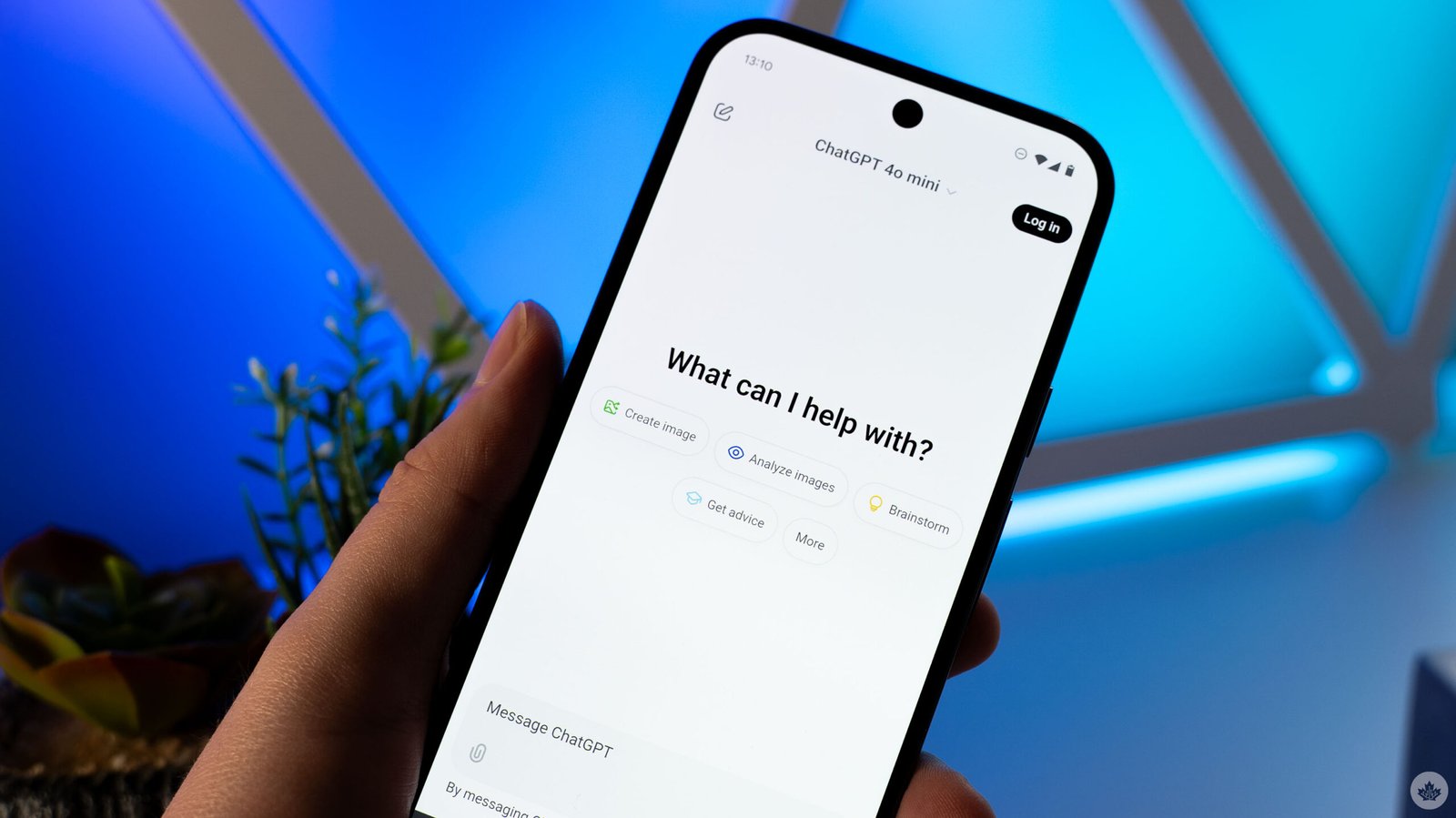
A Florida man has sued OpenAI, alleging that the company’s ChatGPT service gave him medical misinformation that nearly killed him.
The New York Times first reported on the suit, which was filed in San Francisco on behalf of former pastor Scott Winters by Tech Justice Law, the Social Media Victims Law Center and the Institute for Law, Innovation & Technology at Temple University. In the suit, Winters says he sought advice about dizzy spells last year from ChatGPT-4o, an earlier version of the chatbot that OpenAI has since retired, which suggested he stay home and limit movement. ChatGPT also reportedly said that Winters would need to experience at least eight to ten more episodes for his condition to be considered serious.
Ultimately, Winters listened to the advice, and a few weeks later, he says he experienced a “massive pulmonary embolism” that left him on “the brink of death.” Even now, he claims he will face “years of intensive physical and psychological recovery” following the blood clots. As a result, he’s suing OpenAI.
“ChatGPT-4o frequently opined on and evaluated Scott’s physical condition, conveying the authority and confidence of a medical professional rendering a clinical assessment and treatment recommendation, despite not having the qualifications to do so,” the lawsuit alleges.
In addition to financial damages, Winters’ legal team is seeking stronger guardrails around ChatGPT’s ability to provide medical advice. This includes shutting down ChatGPT Health until an independent investigation can be conducted to evaluate its safety.
It should be noted that OpenAI stresses that ChatGPT’s terms of service clearly state that the platform shouldn’t be used as a substitute for actual doctors. “You accept and agree that any use of outputs from our service is at your sole risk and you will not rely on output as a sole source of truth or factual information, or as a substitute for professional advice,” reads an excerpt from the company’s terms of service.
Therefore, it remains to be seen what legal basis, if any, the lawsuit may have. It’s worth noting that a German court recently ruled that Google can be liable for misinformation shared through its AI Overviews. But of course, Winters’ San Francisco lawsuit is a separate matter.
In any event, it’s generally a bad idea to seek advice of any kind from chatbots and other AI-powered platforms. After all, they’re notorious for “hallucinating,” a term that refers to making errors. For instance, a recent study for The New York Times found that AI Overviews generate tens of millions of incorrect answers per hour.
OpenAI, meanwhile, has been the subject of much of its own controversy. In particular, the company is facing a lawsuit from a Texas family who accuse ChatGPT of providing medical advice that resulted in their son’s fatal overdose. And in Canada, the B.C. government is seeking legal action against OpenAI for failing to report the flagged ChatGPT account of the person behind the Tumbler Ridge mass shooting in February.
Image credit: ChatGPT
Source: Tech Justice Law Via: CBS News
