
Crystalys Therapeutics does not yet have data from pivotal tests of its gout drug, but the company is already looking ahead to potentially bringing the drug to the market, plans supported by a fresh $130 million in capital.
The new financing announced last Wednesday comes less than a year after Crystalys launched, revealing an in-licensed gout drug candidate and a $205 million Series A round. The San Diego-based company has since advanced that drug, dotinurad, to two Phase 3 studies that could support an application seeking FDA approval. The company also has an ongoing Phase 2 study.
Together the three trials are designed to evaluate the study drug across a broad spectrum of gout patients. Beyond financing the clinical trials, the company said proceeds from its new capital infusion will take the drug through regulatory milestones and commercialization preparedness activities.
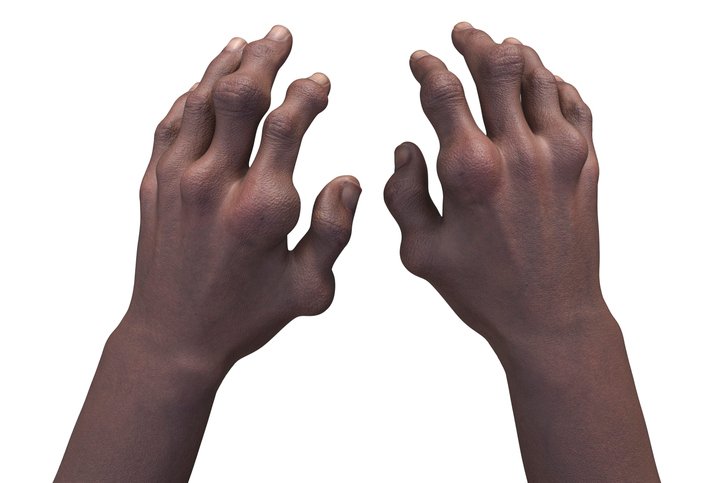
In gout, high levels of uric acid in the blood lead to the formation of crystals in joints and surrounding tissue. Patients experience inflammation and joint pain. Dotinurad is a small molecule inhibitor of URAT1, a transporter protein that leads to reabsorption of uric acid by the kidneys.
“If you block the transporter [protein], you basically urinate out more uric acid,” CEO James Mackay explained last year during an interview about the company’s launch.
Crystalys’s rights to dotinurad for the U.S. and certain markets around the world were licensed from Urica Therapeutics. Urica had secured those rights from Fuji Yakuhin, the Japanese company that discovered and developed dotinurad. Urica’s agreement with Crystalys gave it an equity stake in the biotech. The deal also makes Urica eligible for a 3% royalty on sales of an approved product in the licensed markets, according to regulatory filings. Besides Japan, dotinurad is already commercially available in certain Asian markets.
Gout affects millions of people but it is an indication that has not seen much drug innovation. The standard of care is the decades-old drug allopurinol, an oral small molecule designed to inhibit an enzyme that’s key to production of uric acid. The problem is many patients find this approach is insufficient. Amgen’s Krystexxa, an engineered version of an enzyme that breaks down uric acid, is commercially available as a third-line gout treatment. The second-line setting was served by a Takeda Pharmaceutical drug whose label carried a black box warning for cardiovascular risks. Takeda discontinued the product earlier this year.
URAT1 inhibition is drawing more interest for its potential to slot into the second-line gout setting. Last December, Swedish Orphan Biovitrum (Sobi) reached a $950 million deal to acquire Arthrosi Therapeutics. The biotech’s lead program pozdeutinurad, formerly AR882, is a URAT1 inhibitor in late-stage development. In May, Sobi reported preliminary Phase 3 results showing that both doses tested in the trials met the main goal of reducing uric acid levels in the blood measured at six months compared to a placebo. Both studies are continuing to 12 months. The daily pill was well tolerated and the safety profile was consistent with prior studies. Sobi said detailed trial results would be presented at a scientific meeting in the fourth quarter of this year.
Frazier Life Sciences led Crystalys’s Series B financing. That firm and many of the round’s other participants are crossover investors, firms that back both private and public companies. A financing from crossover investors is seen as a sign that a company is preparing for an IPO. Asked by email whether Crystalys’s latest financing is a crossover round, Mackay said only “We are keeping all our financing options open for now.”
The other participants in the round include Wellington Management, HBM Healthcare Investments, Soleus Capital, Cormorant Asset Management, Trails Edge Capital Partners, Pivotal bioVenture Partners and KCap Biotechnology Fund. Also participating were earlier Novo Holdings, SR One, Catalys Pacific, Perceptive Xontogeny Venture Funds, Lightstone Ventures, AN Venture Partners, funds managed by abrdn Inc., KB Investments, Pontifax, Longwood Fund, Alexandria Venture Investments, Wedbush Healthcare Partners and Prebys Ventures Fund.
Illustration: Kateryna Kon/Science Photo Library, via Getty Images
