
);
}
function setButtonState(button, state) {
const hint = button.parentElement && button.parentElement.querySelector(‘[data-author-follow-hint]’);
const followLabel = button.dataset.followLabel || ‘Follow’;
const followingLabel = button.dataset.followingLabel || ‘Following’;
const signinLabel = button.dataset.signinLabel || ‘Sign in to follow’;
const loadingLabel = button.dataset.loadingLabel || ‘Saving…’;
const pendingAuthLabel = button.dataset.pendingAuthLabel || ‘Loading…’;
button.classList.remove(‘is-following’, ‘is-loading’, ‘is-auth-required’);
if (state === ‘loading’) {
button.classList.add(‘is-loading’);
button.disabled = true;
button.textContent = loadingLabel;
if (hint) {
hint.textContent=”Updating your followed authors…”;
}
return;
}
if (state === ‘pending-auth’) {
button.classList.add(‘is-loading’);
button.disabled = true;
button.textContent = pendingAuthLabel;
if (hint) {
hint.textContent=”Checking your sign-in status…”;
}
return;
}
button.disabled = false;
if (state === ‘following’) {
button.classList.add(‘is-following’);
button.textContent = followingLabel;
if (hint) {
hint.textContent = followingLabel === ‘Unfollow’
? ‘Remove this writer from your followed list.’
: ‘Click again to unfollow.’;
}
return;
}
if (state === ‘signin’) {
button.classList.add(‘is-auth-required’);
button.textContent = signinLabel;
if (hint) {
hint.textContent=”Sign in to follow writers and manage your list.”;
}
return;
}
button.textContent = followLabel;
if (hint) {
hint.textContent=”Click to follow.”;
}
}
function renderWidgets(scope) {
const root = scope || document;
root.querySelectorAll(‘[data-author-follow-widget]’).forEach(function (widget) {
const button = widget.querySelector(‘[data-author-follow-button]’);
if (!button) {
return;
}
const staffId = widget.dataset.staffId;
const hasToken = !!getBearerToken();
if (!isPianoIdentityReady() && !hasToken) {
setButtonState(button, ‘pending-auth’);
return;
}
if (!hasToken) {
setButtonState(button, ‘signin’);
return;
}
if (followedAuthorsMap.has(String(staffId))) {
setButtonState(button, ‘following’);
} else {
setButtonState(button, ‘follow’);
}
});
}
function renderManageList(container) {
if (!container) {
return;
}
const hasToken = !!getBearerToken();
if (!isPianoIdentityReady() && !hasToken) {
container.innerHTML = (
‘
‘
);
return;
}
if (!hasToken) {
container.innerHTML = (
‘
‘
);
return;
}
const followedAuthors = Array.from(followedAuthorsMap.values());
if (!followedAuthors.length) {
container.innerHTML = (
‘
‘
);
return;
}
container.innerHTML = followedAuthors
.map(function (author) {
return (
‘
‘
);
})
.join(”);
bindEvents(container);
renderWidgets(container);
}
async function refresh(scope, options) {
const forceFetch = !!(options && options.force);
if (!hasFollowWidgets(scope)) {
return;
}
// Wipe the cached map BEFORE the first render so a user-switch can’t
// momentarily display the previous user’s “Following” state.
discardCacheIfTokenChanged();
renderWidgets(scope);
const manageContainer = document.querySelector(‘[data-author-follow-manage-list]’);
const managePreferencesContainer = document.querySelector(‘[data-author-follow-manage-preferences]’);
const hasToken = !!getBearerToken();
if (!isPianoIdentityReady() && !hasToken) {
renderWidgets(scope);
renderManagePreferences(managePreferencesContainer);
renderManageList(manageContainer);
return;
}
if (!hasToken) {
renderManagePreferences(managePreferencesContainer);
renderManageList(manageContainer);
return;
}
try {
await loadFollowedAuthors(forceFetch);
renderWidgets(scope);
renderManagePreferences(managePreferencesContainer);
renderManageList(manageContainer);
} catch (error) {
console.warn(‘Unable to load followed authors.’, error);
if (error && error.code === ‘AUTH_REQUIRED’) {
renderWidgets(scope);
renderManagePreferences(managePreferencesContainer);
renderManageList(manageContainer);
}
}
}
function startLoginPoll() {
if (loginPoll) {
clearInterval(loginPoll);
}
let attempts = 0;
loginPoll = setInterval(function () {
attempts += 1;
if (getBearerToken() || isLoggedIn() || attempts > 25) {
clearInterval(loginPoll);
loginPoll = null;
refresh(document, { force: true });
}
}, 1000);
}
function stopPianoReadyPoll() {
if (pianoReadyPoll) {
clearInterval(pianoReadyPoll);
pianoReadyPoll = null;
}
}
function startPianoReadyPoll() {
stopPianoReadyPoll();
let attempts = 0;
pianoReadyPoll = setInterval(function () {
attempts += 1;
if (isPianoIdentityReady() || getBearerToken() || attempts > 40) {
stopPianoReadyPoll();
// Non-forced: if bindPianoInitRefresh already fetched, the TTL
// dedupes this call. If it lost the race, this call wins.
refresh(document);
}
}, 500);
}
function bindPianoInitRefresh() {
if (pianoInitBound) {
return;
}
pianoInitBound = whenPianoReady(function () {
// The Piano init callback is the canonical “identity is ready” signal;
// cancel the fallback poll so it can’t issue a redundant second fetch.
stopPianoReadyPoll();
refresh(document, { force: true });
});
}
async function handleWidgetClick(widget, button) {
const staffId = widget.dataset.staffId;
if (!getBearerToken()) {
setButtonState(button, isPianoIdentityReady() ? ‘signin’ : ‘pending-auth’);
if (typeof window.showPianoLogin === ‘function’) {
window.showPianoLogin();
startLoginPoll();
}
return;
}
// If the identity changed since the cache was last filled, drop the stale
// map before the follow/unfollow decision below — otherwise the click
// could issue the wrong action against the previous user’s state.
discardCacheIfTokenChanged();
setButtonState(button, ‘loading’);
try {
if (followedAuthorsMap.has(String(staffId))) {
await apiRequest(apiBaseUrl + “https://www.washingtontimes.com/” + staffId, { method: ‘DELETE’ });
followedAuthorsMap.delete(String(staffId));
removePushlyFollowedAuthorId(staffId);
} else {
const author = await apiRequest(apiBaseUrl + “https://www.washingtontimes.com/” + staffId, {
method: ‘PUT’,
body: JSON.stringify({
push_enabled: followDeliveryPreferences.push_enabled,
email_fallback_enabled: followDeliveryPreferences.email_fallback_enabled,
}),
});
followedAuthorsMap.set(String(staffId), author);
appendPushlyFollowedAuthorId(staffId);
}
saveStoredFollowDeliveryPreferences(
deriveFollowDeliveryPreferences(Array.from(followedAuthorsMap.values())),
);
syncPushlyFollowedAuthorsProfile();
renderManagePreferences(document.querySelector(‘[data-author-follow-manage-preferences]’));
renderWidgets(document);
renderManageList(document.querySelector(‘[data-author-follow-manage-list]’));
} catch (error) {
console.warn(‘Unable to update followed author.’, error);
if (error && error.code === ‘AUTH_REQUIRED’) {
setButtonState(button, ‘signin’);
}
renderWidgets(document);
}
}
function bindEvents(scope) {
const root = scope || document;
root.querySelectorAll(‘[data-author-follow-widget]’).forEach(function (widget) {
if (widget.dataset.followWidgetBound === ‘true’) {
return;
}
widget.dataset.followWidgetBound = ‘true’;
const button = widget.querySelector(‘[data-author-follow-button]’);
if (!button) {
return;
}
button.addEventListener(‘click’, function () {
handleWidgetClick(widget, button);
});
});
root.querySelectorAll(‘[data-author-follow-manage-preferences]’).forEach(function (container) {
if (container.dataset.followGlobalPreferencesBound === ‘true’) {
return;
}
container.dataset.followGlobalPreferencesBound = ‘true’;
async function handlePreferenceChange() {
const pushInput = container.querySelector(‘[data-author-follow-global-pref=”push”]’);
const emailInput = container.querySelector(‘[data-author-follow-global-pref=”email”]’);
if (!pushInput || !emailInput) {
return;
}
const previousPreferences = {
push_enabled: followDeliveryPreferences.push_enabled,
email_fallback_enabled: followDeliveryPreferences.email_fallback_enabled,
};
const payload = {
push_enabled: !!pushInput.checked,
email_fallback_enabled: !!emailInput.checked,
};
// Drop a stale map if the identity changed before iterating — we
// don’t want to issue follow updates against the previous user’s
// authors with the current user’s bearer token.
discardCacheIfTokenChanged();
const followedAuthors = Array.from(followedAuthorsMap.values());
saveStoredFollowDeliveryPreferences(payload);
managePreferencesPending = true;
pushInput.disabled = true;
emailInput.disabled = true;
try {
await Promise.all(
followedAuthors.map(function (author) {
return updateFollowPreferences(author.id, payload);
}),
);
renderManagePreferences(container);
renderWidgets(document);
renderManageList(document.querySelector(‘[data-author-follow-manage-list]’));
} catch (error) {
console.warn(‘Unable to update author follow preferences.’, error);
saveStoredFollowDeliveryPreferences(previousPreferences);
pushInput.checked = previousPreferences.push_enabled;
emailInput.checked = previousPreferences.email_fallback_enabled;
} finally {
managePreferencesPending = false;
pushInput.disabled = false;
emailInput.disabled = false;
}
}
container.addEventListener(‘change’, function (event) {
const target = event.target;
if (!target || !target.matches(‘[data-author-follow-global-pref]’)) {
return;
}
handlePreferenceChange();
});
});
}
function init(scope) {
const root = scope || document;
if (!hasFollowWidgets(root)) {
return;
}
bindEvents(root);
renderWidgets(root);
bindPianoInitRefresh();
startPianoReadyPoll();
refresh(root);
}
window.WTAuthorFollow = {
init: init,
refresh: refresh,
};
document.addEventListener(‘DOMContentLoaded’, function () {
init(document);
});
window.addEventListener(‘focus’, function () {
if (hasFollowWidgets(document)) {
refresh(document);
}
});
document.addEventListener(‘visibilitychange’, function () {
if (!document.hidden && hasFollowWidgets(document)) {
refresh(document);
}
});
} else {
window.WTAuthorFollow.init(document);
}
})();
FILE – The opening page of …
more >
By Associated Press –
Tuesday, July 28, 2026
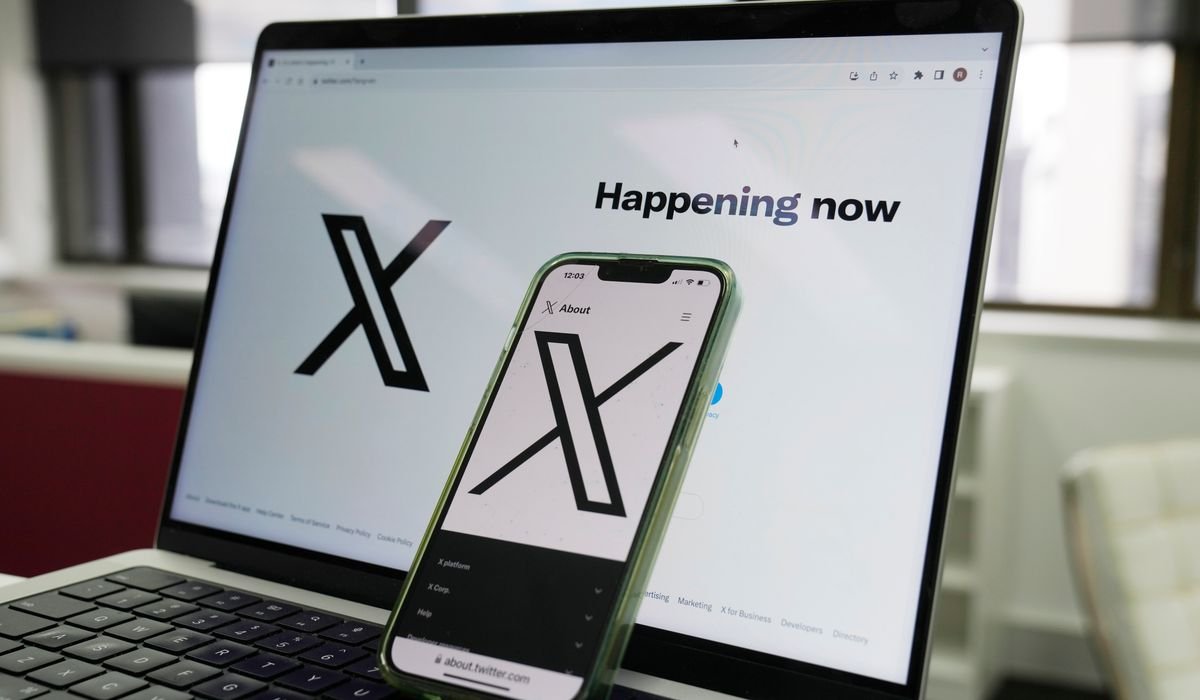
NEW YORK — Elon Musk’s social media company X, formerly known as Twitter, launched its own bank account-like product where users can send money to one another.
The service, known as X Money, is not a new bank. X Money is using technology and banking services provided by Cross River Bank, and branding that backbone as X Money. It is common for new financial companies to use a traditional bank’s backbone to launch its services, as chartering a new bank is a timely and costly process.
Currently X Money is invite only, and users will receive a “X”-branded Visa debit card that is useable at any ATM. Users of X will be able to send money to other X users in real-time, the company said. Invitations are only available to X’s paying members presently.
In order to attract customers, X Money is offering a 6% yield on deposits and 3% cashback on eligible purchases. In order to earn the 6% yield, a customer would need to deposit at least $1,000 into an account. Customers would also have to be signed up for X’s premium services, which is at least $8 a month. It would require at least a deposit of $1,600 in order to cover X’s premium services cost.
Musk has long talked about turning X into an “everything app” that would include financial services. Musk has his origins in financial services, creating one of the first online banks under the brand X.com. That company was later bought and merged into what is now known as PayPal.
It’s still early for X Money, but the company is entering into a competitive market, dominated by PayPal’s Venmo money transfer service and other peer-to-peer money transfer services like Zelle and Cash App.
Latest Video
