
A decade ago, the best way to sell a product was to say it was sustainable. A new crop of startups promised a greener future through merino wool sneakers, dresses made from deadstock, and rain jackets without a trace of virgin plastic in them.
Today, the fashion industry feels like a graveyard to these idealistic brands. Allbirds, once valued at more than $4 billion, was forced into a fire-sale acquisition. Amour Vert filed for bankruptcy. Everlane was acquired by an ultrafast fashion brand.
It sometimes feels like sustainable clothing is a lost cause. But behind the scenes a cohort of heritage brands are still pouring time and capital into curbing the environmental footprint of their clothes and supply chains.
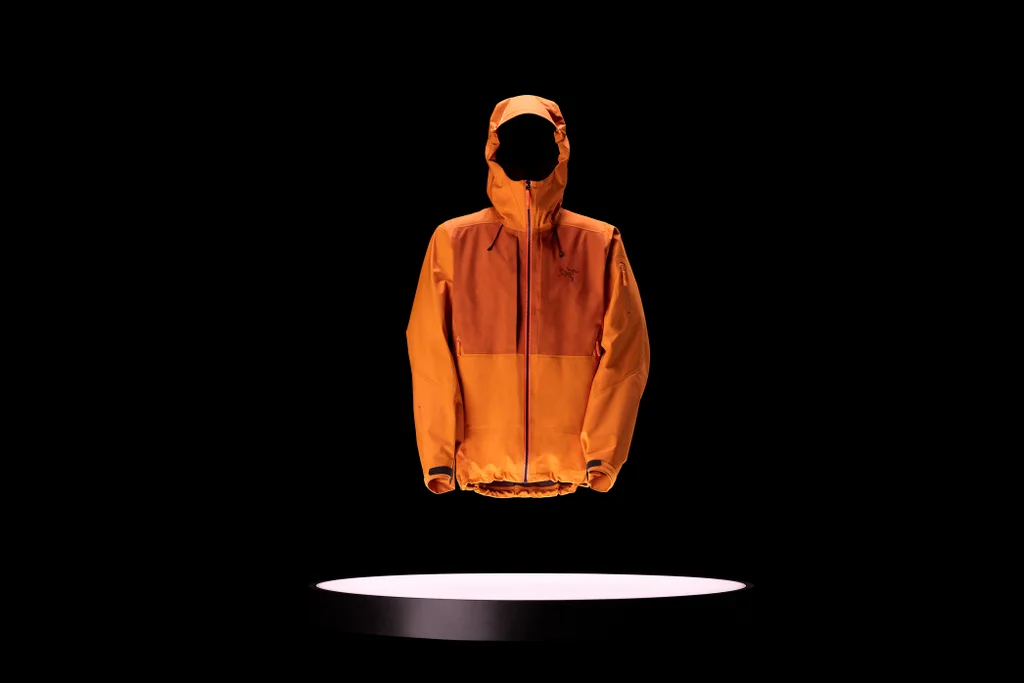
Arc’teryx is among them. The Vancouver-based brand that is grounded in mountaineering has spent the past three years developing an ambitious circularity program called System 0. Today, it announces this new program with the launch of a fully recyclable hard shell jacket called Sperro SV. It’s designed to be a proof of concept for the brand’s broader transformation, coupling technical performance with materials that can be fully recycled at the end of their lives. In the years to come, the company will bring the same approach to all of its products.
“Every product we make starts with solving a problem for the mountain athlete,” says Stuart Haselden, Arc’teryx’s CEO. “If we can solve problems for people who don’t even care about circularity, and just want a great jacket, then we can disrupt the industry.”
The frontlines of climate change
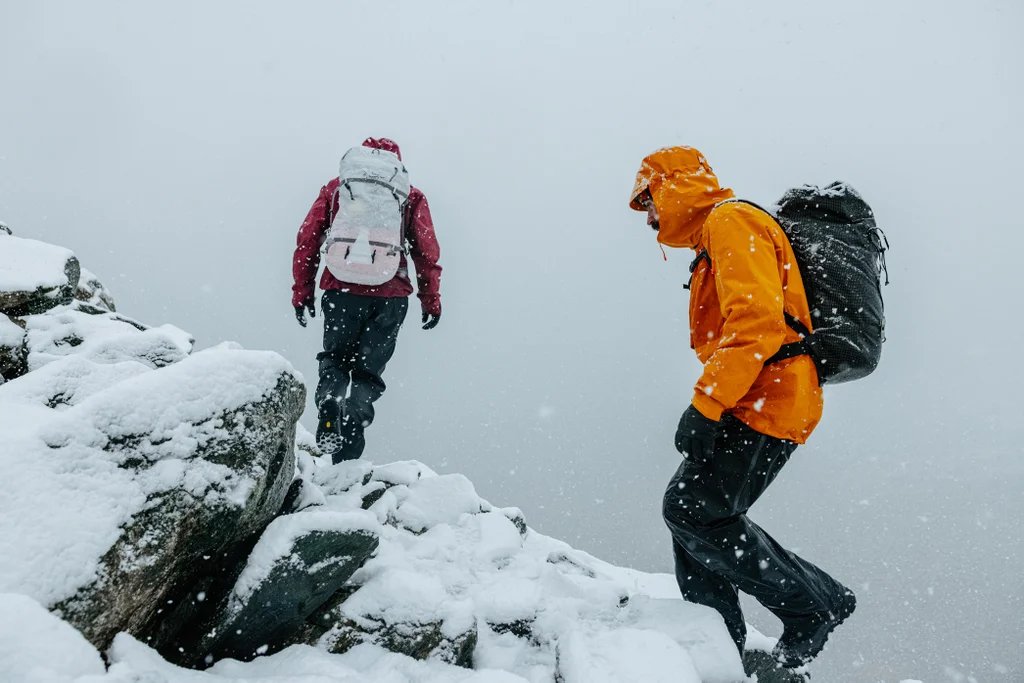
The decision to embark on this ambitious journey stems from the brand’s relationship with mountain climbers. The company’s mission statement is “Leave It Better,” which refers to the idea that climbers should carry their trash down with them, to leave the mountain as pristine as they found it. But in an age of man-made climate change, the motto has taken on a darker, more profound meaning.
“In the past, we designed products that were highly durable and had built-in repair solutions,” says Alexandra Plante, VP of advanced concepts at Arc’teryx. “We knew that wasn’t enough.”
The company’s commitment was reinforced by interactions with the mountaineering community and elite athletes who witness environmental degradation firsthand. Plante recalls that on a recent trip to the French Alpine town of Chamonix for the Arc’teryx Academy, the company’s educational wing, she heard a glaciologist warn that permanent snow in the region could vanish within decades. A few days later, a nearby ice tunnel collapsed.
Many Arc’teryx-sponsored athletes are also demanding accountability from the fashion industry. Ashima Shiraishi, a climber, refused new gear upon joining the team, requesting only preowned ReGear garments. Greg Hill, an extreme ski mountaineer, pledged to eliminate air travel to curb his personal carbon footprint, reshaping how the brand coordinates expedition logistics. “These impacts are real, and our responsibility to stay on this problem and think of a business model transformation is more important than ever,” says Plante.
The most complex jacket to engineer
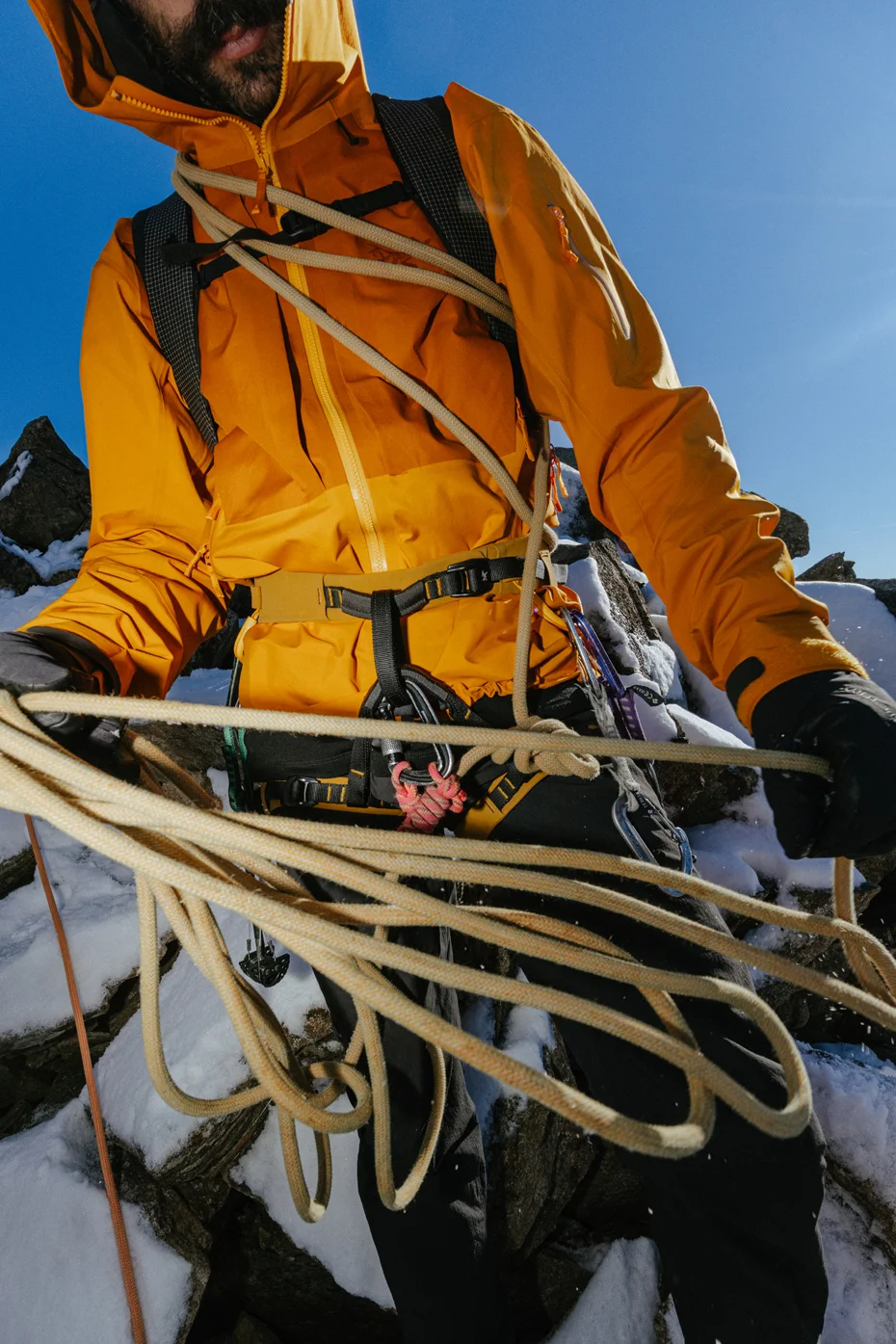
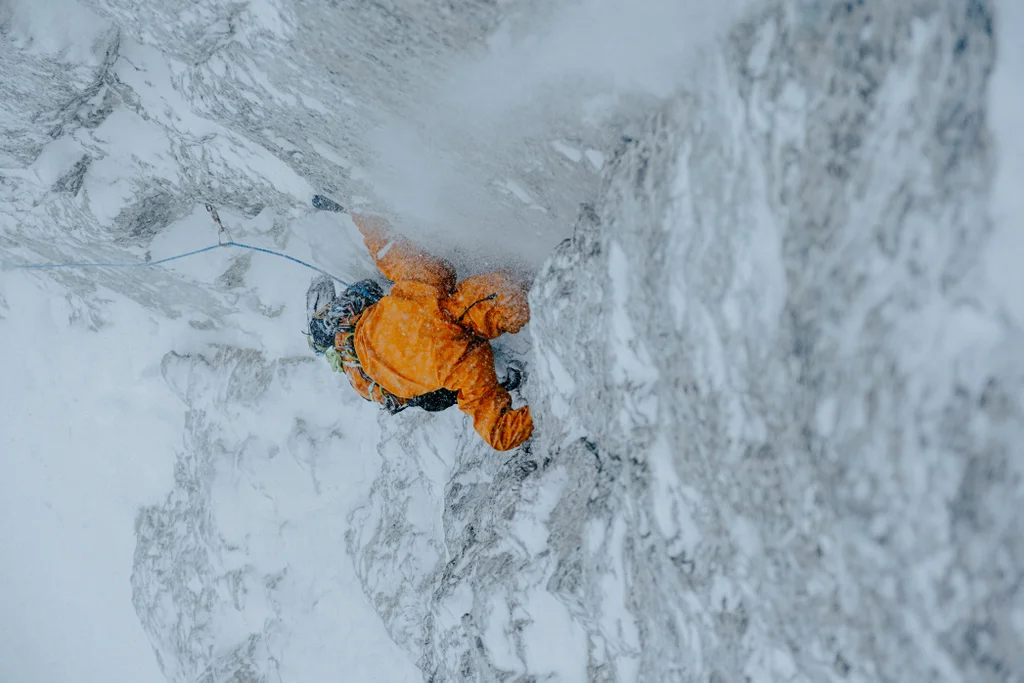
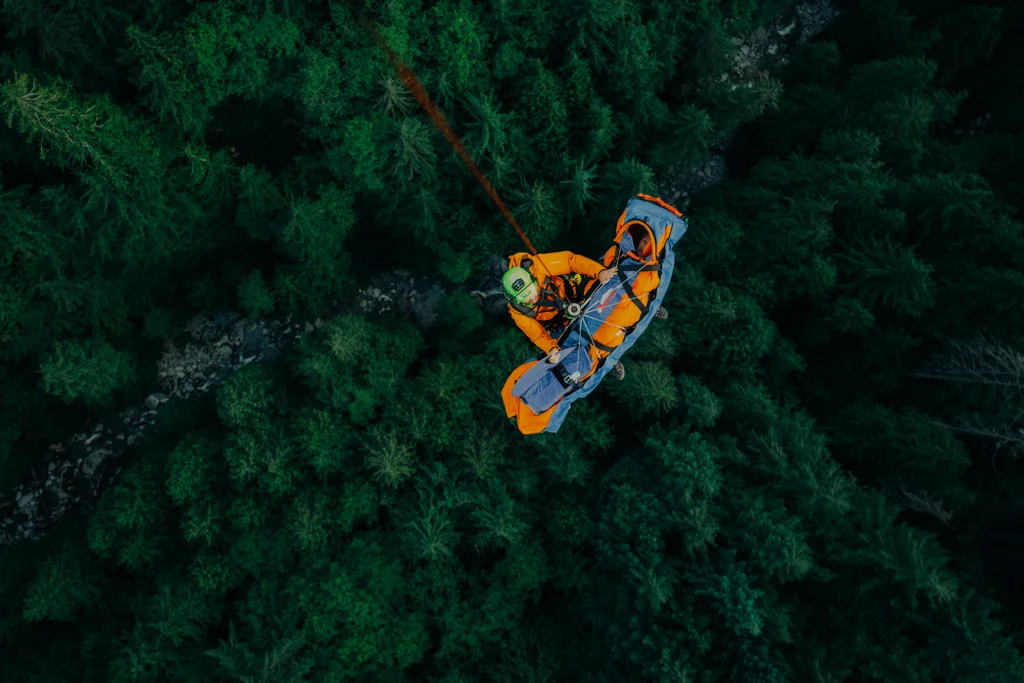
To prove that System 0 could work, Plante’s team deliberately picked a very difficult product to reengineer: the technical hard shell. To mountaineers, this is an essential piece of safety equipment in addition to a jacket. It is used by search and rescue teams, mountain guides, and alpine athletes, so it must be weatherproof and durable, and have functional features like storm hoods and harness-compatible pockets.
When the team began to create a recyclable version of the hard shell, they focused on making it as basic as possible so it would be easier to disassemble. But simple designs failed to meet mountain safety standards. So Arc’teryx took the harder route, spending years reengineering the materials within the garment with the help of their technical supply partners, like Gore-Tex and Aquafil.
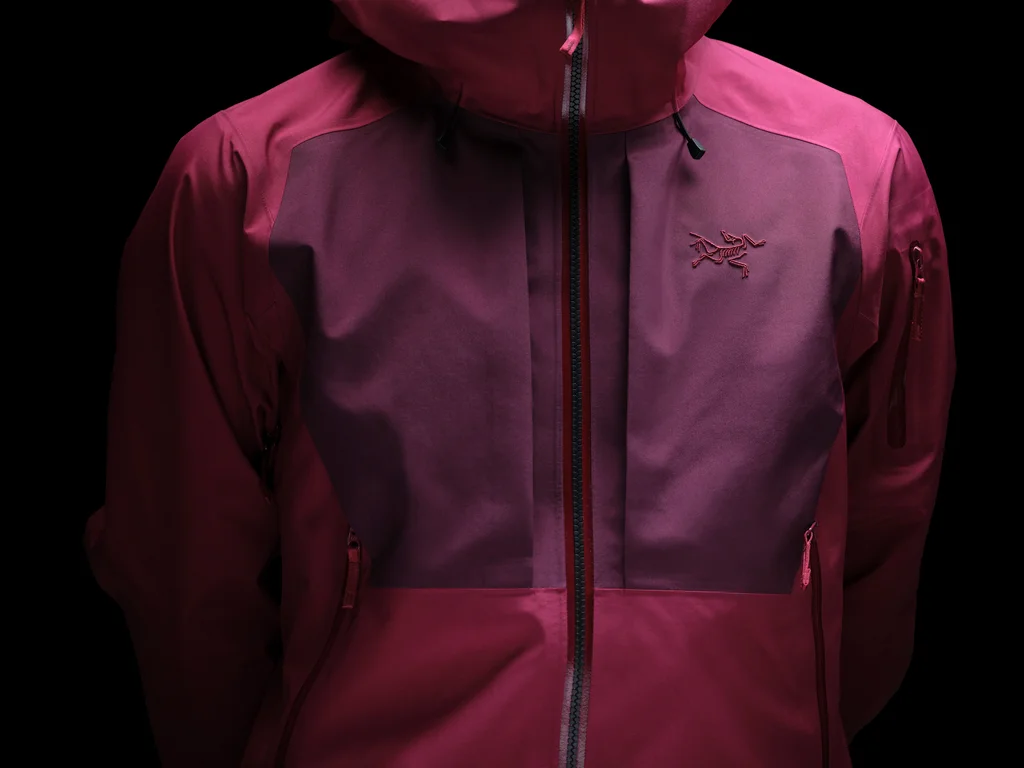
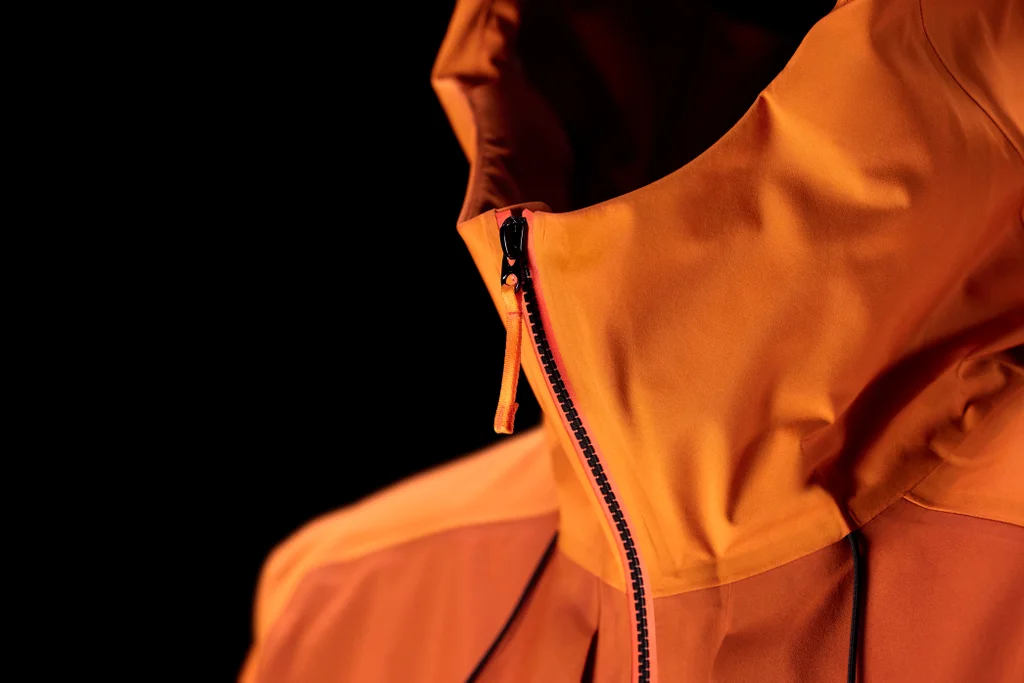
The resulting jacket—the Sperro SV—uses a specialized nylon fabric built for longevity as well as repeated repairs. When the jacket finally reaches the end of its life, removable trims (like zippers, cuff adjusters, and reflectors) are stripped away. Then the main body fabric can undergo Aquafil’s chemical regeneration process to be transformed back into virgin-quality nylon.
“We knew it was the hardest problem, but starting at a pinnacle place seems to make sense,” Plante says. “Solving all the problems that we needed to create a system for a hard shell would create an easier path for other products in the future. Now we have a road map for how we do this.”
Arc’teryx’s economic advantage
Arc’teryx is better positioned to embark on a multiyear, capital-intensive circular strategy where smaller startups have failed. Unlike venture-backed direct to consumer (DTC) brands, Arc’teryx already has formidable scale, and because its products are expensive, it has high margins. This means that the company has a sizable budget for innovation. It is also the world’s largest purchaser of Gore-Tex fabric, which gives it leverage to nudge supply chain partners to tweak their materials so they are able to be processed by recyclers.
Arc’teryx also has a robust DTC business model, accounting for roughly 75% of sales. With a global fleet of more than 200 retail stores—including roughly 50 equipped with dedicated care and repair centers called ReBird—it is easier for the brand to communicate with its customers and get them to trade in their own products. “That [DTC] business model enables us to do this in a way where we’re not dependent on a third-party retail company,” explains Haselden, the CEO.
Haselden wants customers to see their used gear as products with value, much like a used iPhone. Through ReBird, customers can return used garments for a 20% to 30% credit toward a new purchase. The returned gear is then either refurbished for resale or routed directly into the chemical recycling stream.
But ultimately, Haselden doesn’t believe that Arc’teryx can bank on customers buying the Sperro SV out of environmental goodwill. “We don’t expect people to buy it because it’s made in a circular manner,” he says. “We expect them to buy it because of its design and performance.”
While many apparel brands have scaled back on green initiatives because of cost and complexity, Arc’teryx hopes System 0 will be a beacon for the broader outdoor and fashion industries. By proving that high-performance technical outerwear can be designed for full circularity without sacrificing quality—and backed by a profitable, scalable business model—the company aims to inspire other brands to join them in this mission.
“This is not an Arc’teryx problem; this is an industry-wide problem,” Plante says. “It takes hard work and grit, and we’re just getting started.”
