
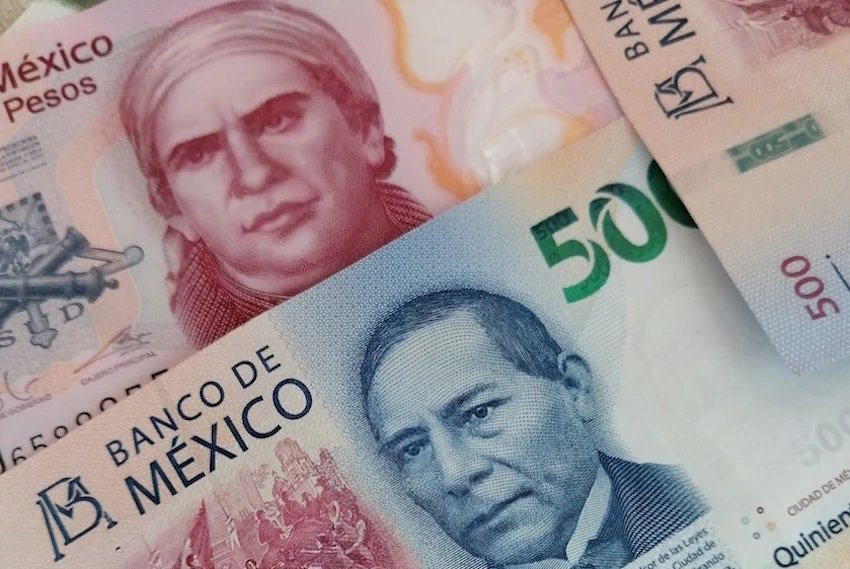
The peso climbed above 17 to the U.S. dollar on Friday after U.S. Federal Reserve Chairman Kevin Warsh expressed concern about inflation.
Mexico’s currency closed on Thursday at 16.9752, but the spot exchange rate reached 17.0151 shortly after Warsh’s speech at the Fed’s annual Jackson Hole (Wyoming) symposium, his first since being confirmed as Fed chairman on May 12.
(Condoleezza Rice / Facebook)
“We must be certain that core inflation is heading toward our target, clearly and at a sufficient pace,” he said. “Otherwise, we have work to do. That is our task.”
As the market digested the chairman’s comments indicating that the Fed still has work to do, the dollar strengthened.
Warsh said the most recent inflation data did not point to a change in trend and the Fed must move to ensure prices are clearly converging toward its 2% target, especially since the July Personal Consumption Expenditures (PCE) price index rose more than expected.
A day earlier, senior Fed officials had admitted that there are concerns about the inflation outlook.
Warsh’s speech prompted the futures market to reflect an increase in bets on a rate hike.

The peso, which began the day with moderate gains, retreated after Warsh’s Friday remarks and those made by other Fed officials on Thursday.
For the first time in eight days, the exchange rate rose above 17 pesos, trading within a range of 17.0467 and 16.9440. By noon Mexico City time, the Mexican currency was trading at 17.0463, a loss of 7.51 centavos, or –0.44%.
For several weeks, the peso has been one of the best-performing emerging market currencies despite sluggish economic growth and persistent trade tensions with Washington.
Earlier this week, the Reuters news agency revived talk of the “super peso,” while warning that it had begun “squeezing the margins of some exporters,” while lowering costs for importers.
The peso surge has been attributed to “lower trade-risk premia, political stability and solid macroeconomic conditions,” not to dollar weakness.
Following Warsh’s admission regarding U.S. inflation, investors are likely to demonstrate confidence that the Fed will raise its interest rate at the September meeting. This would then contribute to further depreciation of emerging market currencies, including the peso.
Higher U.S. interest rates also reduce the relative appeal of “carry trades,” a profit-seeking strategy based on investing in higher-yielding currencies. Carry trades have been one of the factors driving the peso’s appreciation.
With reports from El Economista and El Financiero
