
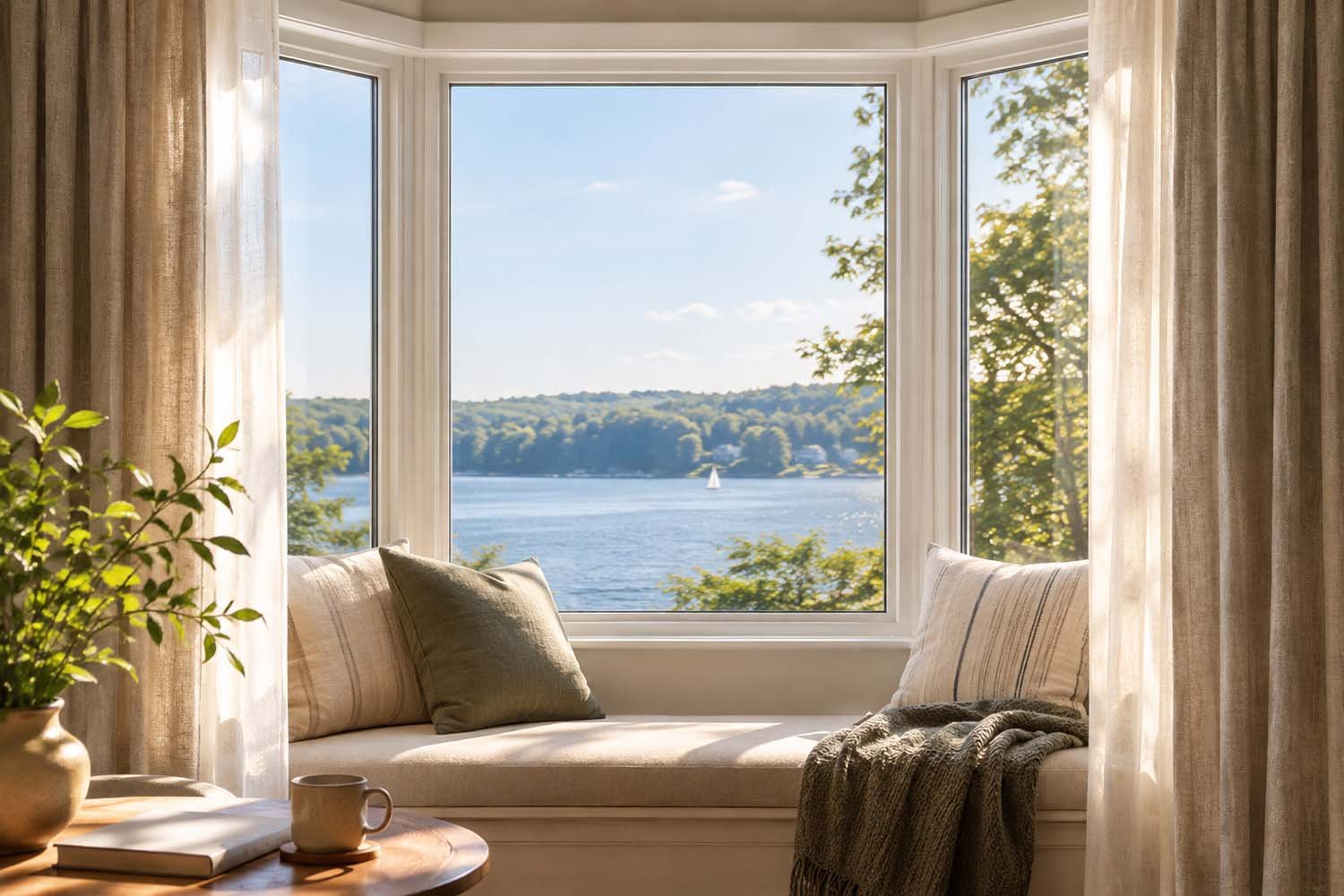
You probably notice your windows most when something feels off. A room gets too hot in summer, too cold in winter, or your energy bill arrives looking slightly rude. Windows do much more than frame the view. They affect comfort, noise, indoor light, and long-term home value. If you’re planning a home improvement project, upgrading your windows can quietly change how your whole house feels, day after day.
Your Windows Affect More Than Just the View
It’s easy to treat windows like fixed parts of the house that only matter when one cracks or starts sticking. In reality, they play a huge role in how your home performs.
Older windows often let conditioned air slip out and outdoor air creep in. That means your HVAC system has to work harder just to keep rooms comfortable. You may notice drafts near the glass, uneven temperatures from one room to another, or that one bedroom that feels like a sauna in July and a freezer in January.
Good windows also shape your daily experience. They influence outside noise, glare, moisture control, and how bright a room feels without turning it into a greenhouse. Home improvement isn’t always about dramatic before-and-after photos. Sometimes it’s about fixing the silent problems that chip away at comfort every single day.
Choosing the Right Company Matters as Much as the Product
A great window on paper can still underdeliver if the installation is sloppy or the recommendations don’t fit your home. That’s where choosing the right contractor becomes a major part of the project.
When evaluating an energy efficient windows company, look at more than the sales pitch. Ask about installation practices, warranty coverage, product options, and whether the team evaluates your home’s orientation, existing frame condition, and ventilation needs. A one-size-fits-all quote should raise an eyebrow.
Questions worth asking directly:
- How do they handle old frame damage?
- Do they explain glass package options clearly?
- Will they help you understand what performance upgrades are actually worth the cost in your climate?
Home improvement goes better when the company treats your house like a real structure, not a speedrun.
What Makes a Window Energy Efficient
Not all new windows are created equal. A window can look modern and still underperform if it lacks the right materials and construction.
Features that actually move the needle:
- Double- or triple-pane glass
- Low-emissivity (low-E) coatings
- Insulated frames
- Gas fills such as argon between panes
Those details help reduce heat transfer, which is the technical way of saying your indoor air stays where it belongs more effectively.
Frame material matters too. Vinyl, fiberglass, and some composite frames often provide stronger insulation than older aluminum options. Proper installation is equally important. Even a high-performance window can disappoint if gaps, poor sealing, or bad measurements turn it into an expensive draft portal.
If you’re comparing products, check ratings from the National Fenestration Rating Council. Numbers like U-factor and solar heat gain coefficient sound a bit nerdy, and they are, but they’re useful nerdy.
How New Windows Change Comfort Room by Room
The best part of upgrading windows is that the improvement tends to feel immediate. You don’t need to be a building science expert to notice when a room finally feels balanced.
In a living room, better windows can cut down glare on screens while still letting in natural light. In bedrooms, they may reduce outdoor noise from traffic, barking dogs, or your neighbor’s deeply committed leaf blower schedule. In kitchens and bathrooms, improved seals can help limit moisture issues that often build up around aging frames, one of several signs it’s worth a broader look at air quality in older homes generally.
Homes with large picture windows or rooms facing direct afternoon sun often benefit the most. You may find yourself adjusting the thermostat less often because the house holds temperature more evenly. That steady comfort matters. A home that feels consistent is easier to live in, easier to heat and cool, and a lot less annoying on extreme weather days.
Lower Energy Bills Are Great, but Long-Term Value Matters Too
Most homeowners think about monthly savings first, and that makes sense. Efficient windows can help reduce heating and cooling costs, especially if your current ones are decades old or visibly failing.
Still, the financial value goes beyond utility bills. New windows can improve curb appeal, update the overall look of your home, and make it more attractive to future buyers. Buyers tend to notice upgraded windows because they signal better maintenance and lower near-term replacement costs.
There’s also the maintenance angle. Older wood windows may need scraping, painting, and regular repair. Newer materials often demand far less upkeep. Over time, fewer repairs and better efficiency can make the project feel more practical than flashy.
If you’re already planning exterior upgrades, window replacement pairs well with siding, insulation, and roofing improvements. A house works like a system, and the same climate-driven thinking behind choosing the right siding applies just as directly to windows. Smarter parts usually perform better together.
Practical Tips Before You Commit to a Window Upgrade
Before signing a contract, take a little time to figure out what problem you’re actually trying to solve. That keeps you from paying for features you don’t need or overlooking ones you do.
Start by walking through your home and making notes.
Walk-through checklist:
- Which rooms feel drafty?
- Where do you hear the most outside noise?
- Which windows are hardest to open, have fog between panes, or show signs of rot?
Those details help narrow priorities. You should also request a detailed estimate that breaks down materials, labor, disposal, and warranty terms. If you’re replacing many windows, ask whether a phased approach makes sense. Some homeowners tackle the worst-performing areas first, which ties into good home maintenance habits more broadly: fix the highest-impact problem first, not just whatever’s easiest.
Check for possible rebates or tax incentives through sources like ENERGY STAR. And don’t choose based on price alone. Cheap windows can become expensive if performance drops quickly or installation cuts corners.
A Smarter Window Upgrade Can Improve Daily Life
Window replacement sounds simple until you realize how many parts of home life it touches. Comfort, energy use, maintenance, resale appeal, natural light, and even noise levels all run through those panes and frames.
If your home has hot spots, chilly corners, rising utility bills, or windows that seem determined to age dramatically in public, it may be time to take a closer look. A smart upgrade can make your home feel calmer, more efficient, and easier to enjoy through every season.
The best home improvements aren’t always the loudest. Sometimes the win is a quieter room, a steadier temperature, and a bill that stops acting like it has big ambitions. That kind of upgrade earns its place pretty quickly.
Better Living may earn commissions through affiliate links and may occasionally feature sponsored or partner content. If you make a purchase through our links, we may receive a small commission at no cost to you.
