
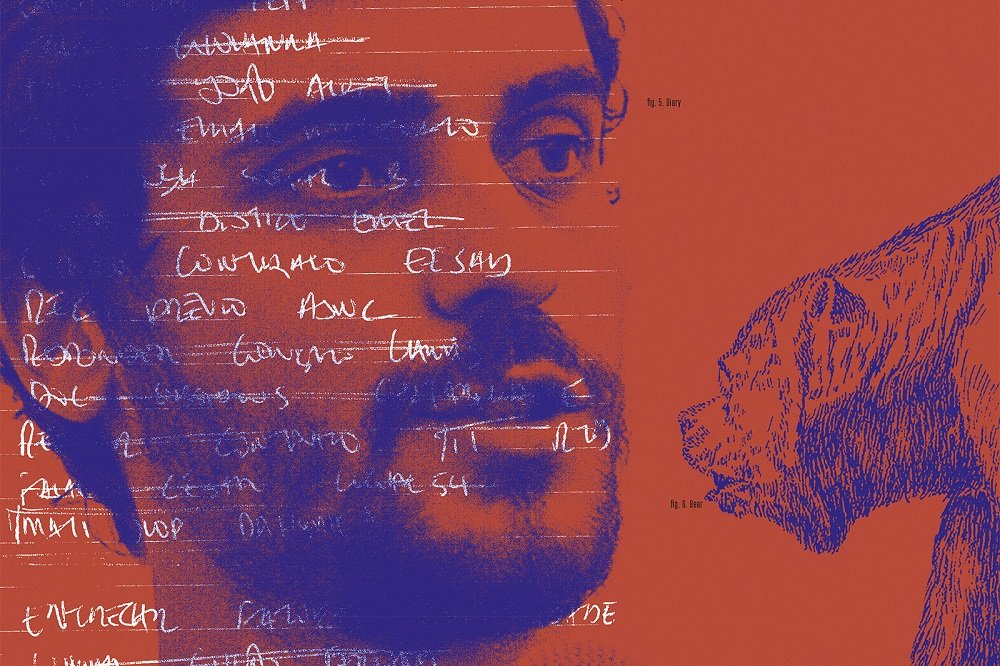
– The Portuguese producer explains why he’s drawn to projects whose relevance is not abstract or symbolic, but tangible and human
Bernardo Lopes is a Portuguese director, screenwriter, and producer working through his company Omaja. His short films Lux, Ivan, Eva and Moço have received multiple awards and international recognition, including a Sophia Award for Best Fiction Short Film and selection for French Film Academy’s Les Nuits en Or programme. He was selected for Locarno’s Match Me! in 2023 as an emerging European producer and is currently completing his first fiction feature, Tomorrow’s Rain. An interview with him, now selected for the 2026 Emerging Producers programme (read his EP profile here).
Why do you produce documentaries? Do you see documentary cinema as an instrument of social and political change?
Bernardo Lopes: Documentary cinema is not about providing answers, but about creating space for complexity, contradiction and uncomfortable questioning. It is a way of resisting simplification. I am particularly drawn to projects that feel urgent, that are deeply connected to the world we live in right now, and whose relevance is not abstract or symbolic, but tangible and human.
This is why I have been committed to projects such as Bukra, Free Fish and Dhakira, three documentaries from and about Palestine. These films are driven by the need to listen, to witness and to allow voices to exist on their own terms.
Producing these films has reinforced my belief that documentary cinema can indeed be an instrument of social and political awareness not because it changes the world, but because it insists on attention, empathy and memory, which are increasingly rare resources. I see documentary cinema as an act of presence: sometimes being present and insisting on staying present is already a political gesture.
How do you achieve and maintain work-life balance and foster overall well-being?
I don’t believe in a strict separation between personal life and professional life. For me, they are deeply intertwined, and I’ve learned to accept that rather than fight it.
I am at a stage in my life where I have just become a father, and paradoxically, this new family structure has brought me more balance, not less. Becoming a parent has sharpened my sense of what truly matters. It has made me more selective, more attentive to time, and more committed to the projects I choose to fight for.
The key has been balance; understanding that a career in cinema is a marathon, not a 100-metre sprint. There are moments of intensity, of exhaustion, of doubt, but longevity comes from knowing when to push and when to pause. And it’s not about slowing down ambition, it’s about sustaining it.
Where do you find audiences for your films?
Finding audiences, particularly in Portugal, has been increasingly challenging, especially for documentary cinema. There is a growing disconnect between Portuguese audiences and the films produced in the country, and approaching distribution from a strictly commercial or standardized perspective no longer works.
This reality forces us to rethink how films are shown. Each screening needs to be treated as an event, or a unique and unrepeatable moment, rather than as part of an automatic release strategy. Context matters. Presence matters.
It is also a personal ambition of mine to decentralize film distribution in Portugal. This has led me to actively seek alternative screening spaces such as regional cine-theatres and auditoriums, creating opportunities for a more diverse and heterogeneous dialogue between audiences and their cinema. I strongly believe that proximity and context can radically change how a film is received and experienced.
What projects do you have underway (including fiction films and other projects)?
I have just completed my first fiction feature film as a director, After the Rain, which I am planning to premiere this year. This film marks an important step in my trajectory, expanding my work beyond documentary while maintaining the same attention to human experience and emotional truth.
At Omaja, over the past two years, we have managed to finance around 15 films, including fiction and documentary features and shorts, as majority and minority co-producers. Many of these projects are now moving into production, making 2026 a particularly active year for us.
More than numbers, what matters to me is that these films represent the effective launch of new voices in Portuguese cinema. Filmmakers with strong perspectives, formal ambition, and a clear relationship with the world around them. Supporting these voices is not only a professional commitment, but a political and cultural one.
———-
EMERGING PRODUCERS is a leading promotional and educational project, which brings together talented European documentary film producers. The programme is organised and curated by the Ji.hlava International Documentary Film Festival.
Deadline for applications to the EMERGING PRODUCERS 2027 edition is 31st March 2026.
