
Ask the most bullish representatives of big AI companies, and they’ll tell you that robotic colleagues and house staff are just around the corner. A massive market for robotic aids, powered by AI “brains,” could contribute huge sums to the bottom line of tech firms. Elon Musk predicted earlier this year that they could produce $30 trillion in revenue for his companies alone.
Picture what those robots are, and your mind’s eye likely conjures an image of a humanoid robot: Two arms, two legs, a head, all in human-like proportions. That’s what the biggest players in the sector like Tesla, Figure and Unitree see, too: Distinctly human-shaped cutting-edge hardware.
Yet the fixation on making robots look human could, perhaps, lead the tech sector into trouble, reckons Jonathan Aitken, a robotics researcher at the University of Sheffield. “This makes them harder to design and build well, especially with the kind of robustness and efficiency required to perform tasks in the environment,” he says.
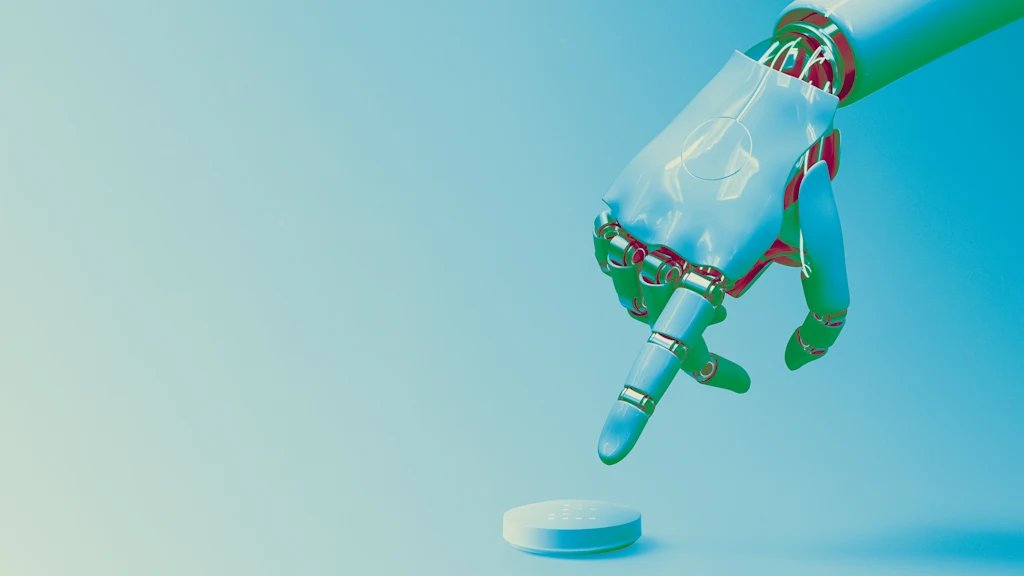
Aitken points out that the human hand has some 27 degrees of freedom, making it “a significantly complex system, which is both lightweight, yet powerful and with significant redundancy in movement.” Tesla’s Optimus robot doesn’t include all those degrees, paring it down instead to 22 different degrees of freedom. But it still relies onon a huge number of parts, working in tandem.
Tendons are tricky
It’s little surprise, then, that The Information reports Tesla, which aimed to produce “thousands” of the robots by this summer, quietly scrapped that goal when they realized that making hands that can grip, move, and manipulate objects at the level of dexterity required, was too tricky.
The hand-based holdup is just the start of Tesla’s travails with its Optimus robots, as Fast Company has previously reported. But it’s not unique to Musk’s company.
