
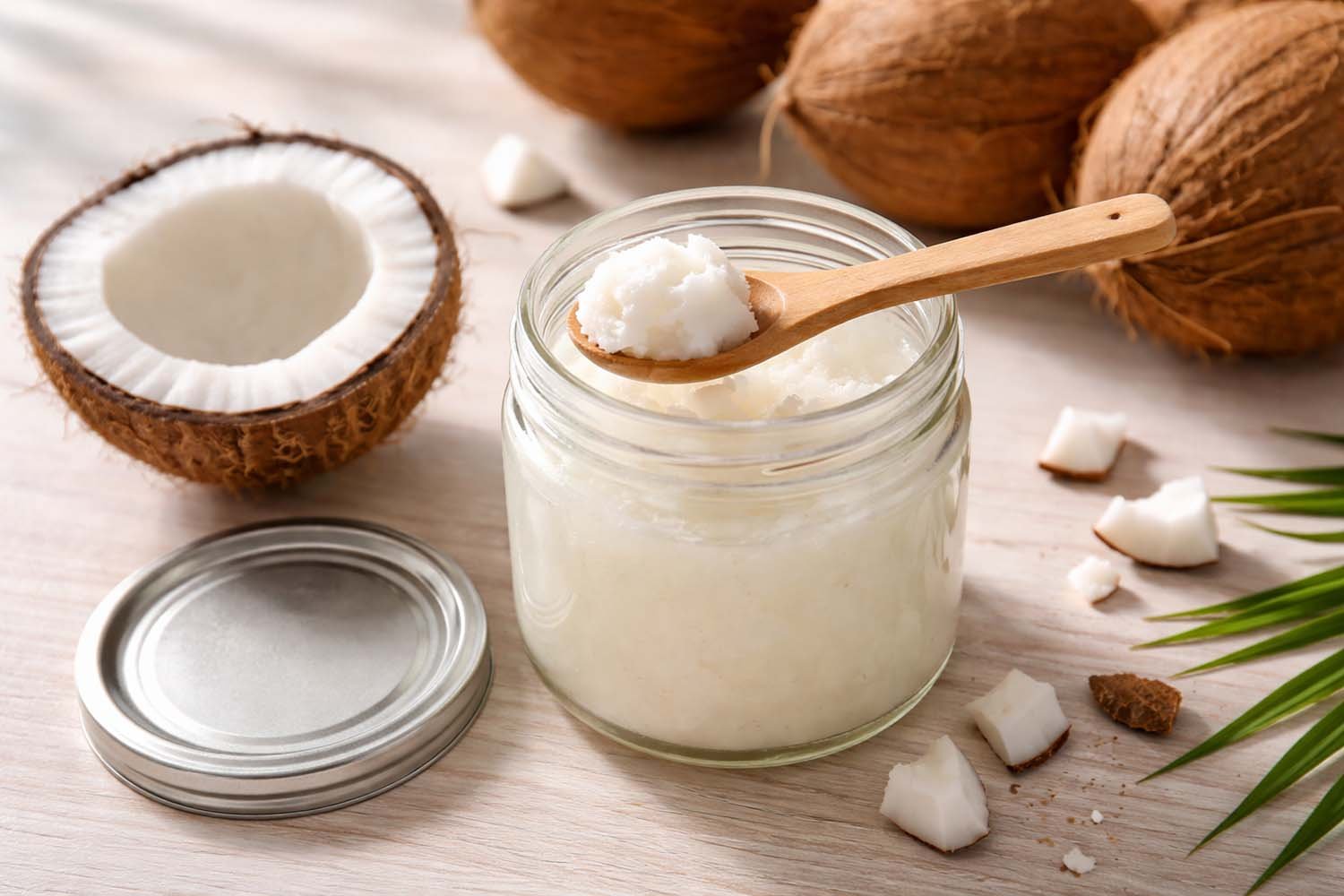
Coconut oil has become a kitchen staple for everything from sauteing vegetables to skin care. But that big jar you bought months ago has been sitting in the back of your pantry, and now you’re wondering: Does coconut oil go bad?
The short answer: Yes, coconut oil can go bad. The good news is that it has one of the longest shelf lives of any cooking oil in your kitchen. With proper storage, virgin coconut oil can last up to three years, and sometimes longer.
Here’s everything you need to know about coconut oil shelf life, how to spot spoilage, and the best way to store it.
Key Takeaways
- Coconut oil does go bad, but it has an impressively long shelf life of up to 2 to 3 years for virgin coconut oil when stored properly.
- No refrigeration needed. Store it in a cool, dark pantry away from heat and light.
- Rancidity is the main spoilage risk. Trust your nose. Rancid coconut oil smells sour, stale, or musty.
- Solidifying is normal. Coconut oil turns solid below 76 degrees F and liquid above it. This is not a sign of spoilage.
- Type matters. Virgin (unrefined) coconut oil lasts longer than refined coconut oil due to its natural antioxidants.
How Long Does Coconut Oil Last?
Coconut oil’s high saturated fat content, which is over 80%, is what makes it so shelf-stable. Saturated fats are far more resistant to oxidation than the unsaturated fats found in oils like olive or vegetable oil, according to research published by the National Institutes of Health.
The type of coconut oil you have makes a meaningful difference in how long it lasts:
| Type | Pantry (Unopened) | Pantry (Opened) | Refrigerator |
|---|---|---|---|
| Virgin / Unrefined Coconut Oil | 2 to 3 years | 2 to 3 years | 3 or more years |
| Refined Coconut Oil | 12 to 18 months | 12 to 18 months | Up to 2 years |
Note: These are quality guidelines based on proper storage. Always use your senses (smell, color, and taste) as your final check.
Always check the “best by” date on the label as a starting point, but remember that date reflects peak quality, not safety. Coconut oil that is a few months past its best-by date may still be perfectly fine if it has been stored well and shows no signs of spoilage.
Refined vs. Virgin Coconut Oil: Why the Shelf Life Differs
Virgin (unrefined) coconut oil is cold-pressed from fresh coconut meat with minimal processing. This preserves its natural antioxidants, specifically phenolic compounds that actively slow the oxidation process. It has a mild coconut aroma and flavor and the longest shelf life of the two types.
Refined coconut oil is pressed from dried coconut meat (copra) and goes through additional processing steps including bleaching and deodorizing. This strips out many of the natural antioxidants that protect against rancidity, shortening its shelf life to 12 to 18 months. The trade-off is a neutral flavor and higher smoke point, making it better suited to high-heat cooking.
In short: if long-term storage matters to you, virgin coconut oil is the better choice.
Signs That Coconut Oil Has Gone Bad
When to Throw It Out
The primary spoilage risk for coconut oil is rancidity, a chemical process where fats break down after prolonged exposure to oxygen, heat, or light. According to the FDA, proper storage is the key to preventing premature spoilage in shelf-stable oils.
Smell: This is your most reliable test. Fresh virgin coconut oil smells mildly sweet and coconutty. Refined coconut oil should smell neutral. Rancid coconut oil smells sour, stale, musty, or unpleasant. If something seems off, trust your nose.
Taste: Fresh coconut oil tastes mild and clean. Rancid oil tastes bitter or soapy. If the smell passed but taste seems off, discard it.
Color: Pure coconut oil is bright white when solid and clear to pale yellow when melted. If it looks noticeably yellow or tan when solid, or murky and dark when liquid, that can indicate spoilage or contamination.
Texture: Coconut oil should be smooth. A chunky, curdled, or inconsistent texture when at the same temperature as usual can signal it has turned.
Mold: Rare, but possible if water has gotten into the jar from a wet spoon or hands. Visible mold means discard the entire jar immediately.
What is NOT a sign of spoilage: Coconut oil solidifying, turning bright white, appearing streaky, or becoming grainy after temperature changes is completely normal. It melts and re-solidifies repeatedly with no quality loss.
How to Store Coconut Oil Properly
Storage Best Practices
Keep it away from heat. The stove, oven, toaster, and sunny windowsills are all enemies of coconut oil. Heat accelerates oxidation. Store it in a cabinet or pantry that stays relatively cool, ideally below 75 degrees F.
Keep it away from light. UV light degrades fats over time. If your coconut oil came in a clear jar, store it inside a closed cabinet rather than on an open counter shelf. Dark glass containers are ideal for long-term storage.
Always use a clean, dry utensil. Introducing moisture or food particles into the jar is the fastest way to invite mold and speed up spoilage. Never use a wet spoon or your fingers to scoop.
Keep the lid tight. Oxygen is the primary driver of rancidity. Seal the jar firmly after every use and wipe the rim clean before closing.
Don’t pour used cooking oil back in. Oil that has been heated for cooking has already been exposed to high heat and may carry food particles. Keep your storage jar separate.
Can You Use Coconut Oil Past Its Best By Date?
Often, yes, especially for virgin coconut oil. “Best by” dates on coconut oil are manufacturer quality estimates, not safety cutoffs. The FDA does not require expiration dates on oils, and a properly stored jar that smells, looks, and tastes normal is generally still good to use.
That said, the older oil gets, the more its flavor and nutritional properties decline. For cooking, coconut oil that passes the smell test is typically fine. For skin and hair use where you want full potency, fresher is better.
Frequently Asked Questions
Why did my coconut oil turn yellow?
Some high-quality virgin coconut oils have a natural pale yellow tint from their antioxidants. However, if your oil was previously white and has turned noticeably yellow, tan, or discolored, this may signal early rancidity or contamination. The smell test is your most reliable confirmation. If it smells fine, it is likely still good.
My coconut oil has streaks or an uneven texture. Is it bad?
No, this is completely normal. Streaks, graininess, or an uneven marbled texture happen when coconut oil has gone through multiple melt-and-resolidify cycles at slightly different temperatures. It is a cosmetic issue only and has no effect on quality or safety.
Can rancid coconut oil make you sick?
Rancid oil is not acutely toxic in small amounts, but it is not good for you. Rancidity produces free radicals and harmful compounds that may contribute to oxidative stress in the body. Regularly consuming rancid oil is something to avoid. If your coconut oil smells or tastes off, replace it.
How long does coconut oil last for skin and hair use?
The same shelf life guidelines apply whether you use coconut oil in the kitchen or in your beauty routine. For topical use, be slightly stricter and apply the sniff test before each use. Degraded oil will not deliver the moisturizing and protective benefits you are looking for.
Can you freeze coconut oil to extend its shelf life?
Yes. Frozen coconut oil becomes very hard and will need time to thaw before use, but freezing is a good option if you have bought in bulk and won’t use it for an extended period. Store in a well-sealed, freezer-safe container and label it with the date.
Further Reading
Better Living may earn commissions through affiliate links and may occasionally feature sponsored or partner content. If you make a purchase through our links, we may receive a small commission at no cost to you.
