
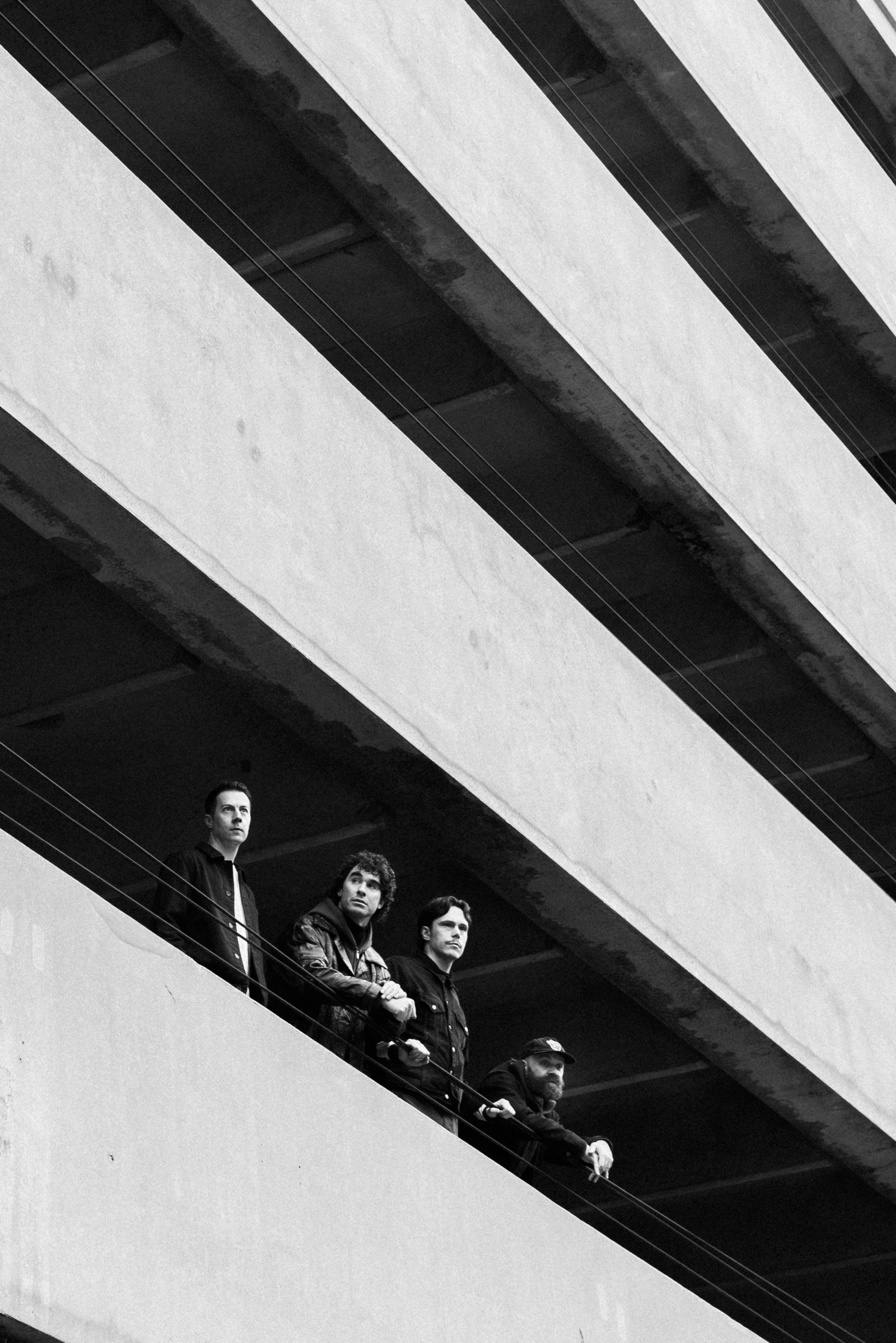
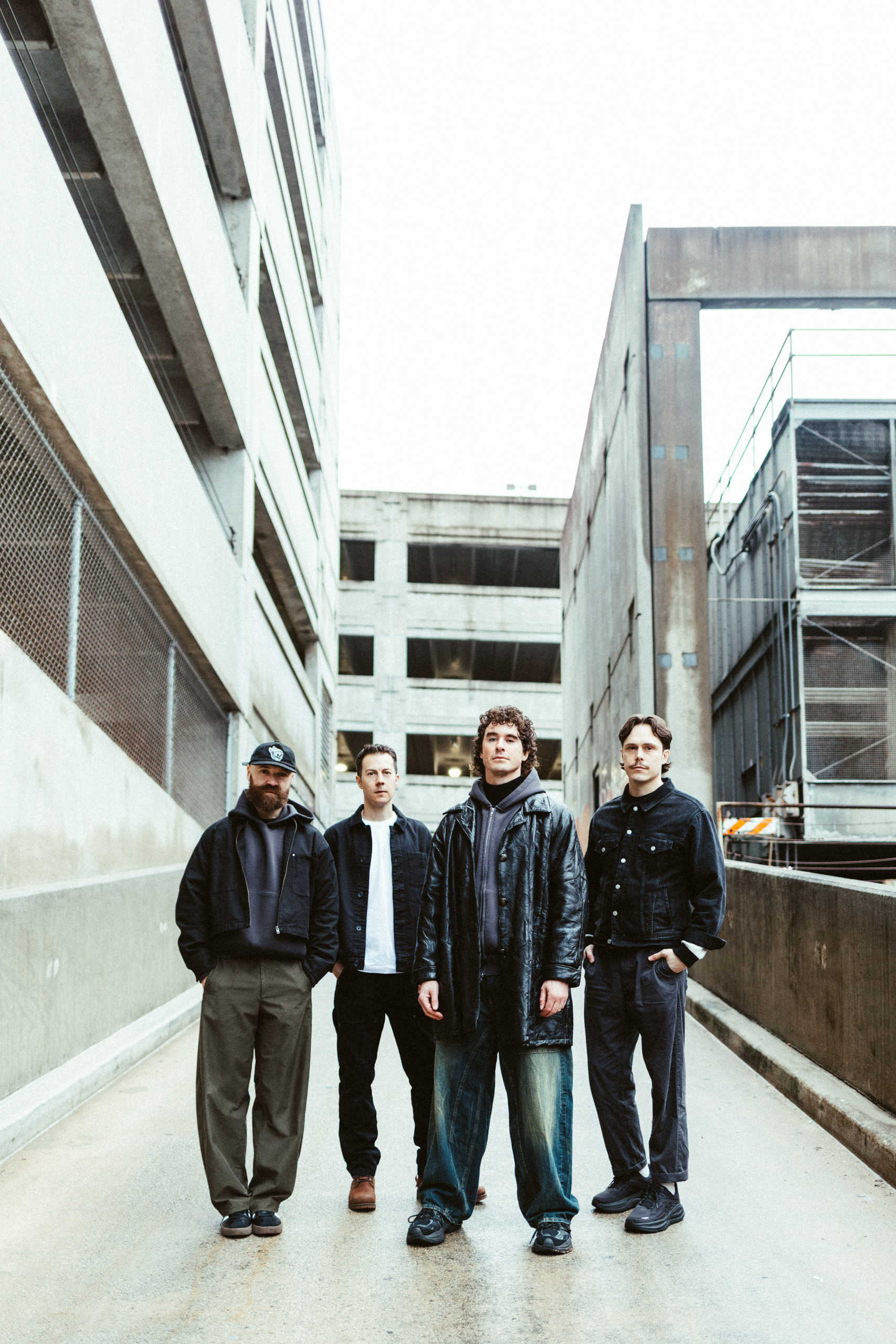
Don Broco have never been afraid of contrast. Across their discography, they’ve created a world where genres — rock, pop, nü metal — coexist. On their latest releases, those different styles feel more fused than ever, emerging from a period the band describe as one of their darkest, both individually and collectively. Their upcoming music captures a group learning to push themselves further, even while navigating personal turmoil.
The studio became a refuge of sorts — a place where they could escape the external pressure, come together, and work on new music influenced and inspired by what they were all going through. As members dipped in and out, others would continue shaping the songs, giving each track the space to breathe and evolve. That space seeps into the music itself — songs are as long as they want, structures bend in unexpected ways, and imperfect vocals are left intact — to show every aspect of the creative process.
Read more: Every Nickelback album ranked: From worst to best
This next era of Don Broco reaches back to 2018’s Technology, produced by longtime collaborator Dan Lancaster. Where Technology is an album full of frustration with the world, the new material, also overseen by Lancaster, is much more confrontational about what the band are feeling.
At the center of it all sits “Nightmare Tripping.” It’s a track that twists and mutates at every turn and marks one of their most unexpected collaborations yet — Nickelback. The song was born from a genuine mutual admiration. Long after members of Nickelback caught Don Broco live and had a deep dive through their discography, Broco reached out midwriting process. The result is a chorus elevated by Kroeger’s recognizable voice paired with lively harmonies.
AP caught up with Don Broco while on the North American leg of their tour to chat about their new music, collaborating with their “icon” Chad Kroeger, and the rule they broke to create the song.
Josh Beech
You’ve said the band went through a dark period personally and as a unit. How did that shift your communication in the studio? Did it make writing harder because everyone was drained, or easier because there was more to say?
Writing together over this time definitely took on the greatest importance it ever has — it became our escape. It brought us closer together as a band, but more importantly, as friends. It sometimes made things harder, for sure, but our communication with each other when making an album has always been something we really try to do.
We all care so much that it can be easy to hurt each other’s feelings when being honest about not liking something, so with the backdrop of what we were dealing with in our personal lives, we tried to approach any difficult conversation with kindness and care. Though I’m sure pretty common for most bands, this is the first album we’ve written where not everyone could be around for every moment in the studio. A few times, someone would write a song, and someone would have to duck out for a bit, and when they came back, it had completely changed. If you’re not there for the journey of those changes, it sometimes takes a while to get your head around.
Was there a specific lyric or moment on these recent singles where you felt a real release after writing it? And did it change emotionally once you had to perform it every night?
On this album, there are a few different songs that try to make sense of the same set of feelings I was experiencing, rather than on previous records, every song had more of its own identity. Definitely the first time I listened back to “Nightmare Tripping” with Chad [Kroeger]’s vocals recorded was a huge cathartic moment for me. Hearing a musician and icon I’ve grown up listening to singing lyrics that are so personal to me felt almost spiritual, and for sure helped me find closure on the dark times that inspired them. I see “Disappear” as the thematic twin to “Nightmare Tripping,” and hearing the crowd sing that chorus back always gives me chills.
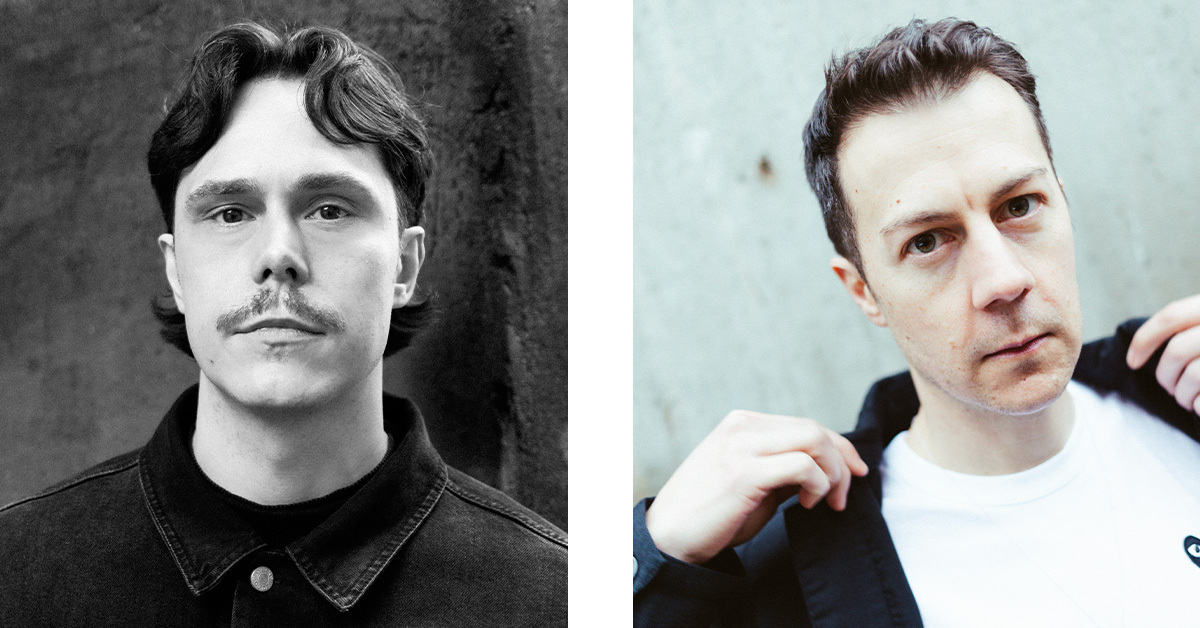
Josh Beech
You just dropped “Nightmare Tripping” featuring Nickelback. How did that collaboration come about, and how did the writing and/or recording process differ from a typical Don Broco track?
It was one of those very normal days at home in the afterglow of a tour that turned into the most unexpected high. I remember calling the rest of the band, absolutely buzzing. We’d got back from our last North American tour to find the nicest email from the Nickelback guys — Ryan [Peake], their guitarist, had come to our Vancouver show with his brother, dug it, and deep dived our back catalog. They messaged to let us know he’d shared the tunes with the rest of the band, and they’d become fans.
Fast forward a year to us writing “Nightmare Tripping,” and I imagined Chad singing the chorus. The song is all twists and turns, and I could envision his voice being something unexpected but still natural. We love Nickelback’s heavy shit, so we thought we’d ask if they were up for jumping on the track! Within a week, they’d sent back their parts — Chad and Ryan really lifted the chorus with some lush harmonies, and it was so sick to have Ryan shredding the guitar solo at the end. As a one-guitar band, Si [Delaney] is militant about never having extra guitar parts on Broco songs, but with Ryan and Chad on there, it was super fun for us to break that rule.
In a past interview, you mentioned setting parameters, like not sugarcoating things or letting tracks feel too polished for too long. What does not overly perfected or polished mean in practice, production choices, vocal takes, guitar tones, structure, or leaving imperfections in?
It’s resisting all those tweaks on the thing that made you fall in love with the idea in the first place. For this album, that meant leaving demo takes in, going with more unorthodox song structures, and not being too brutal with cutting sections. Allowing songs to be that bit more indulgent, and even sometimes just leaving ad-libs, harmonies, and even lead vocals in where the lyrics were flat-out wrong but just felt good.
You’ve said this era connects back to Technology, not just sonically, but thematically. In what way does the new record continue that story, and in what way is it a reaction against where you were mentally in 2018?
Definitely with Dan producing and mixing again, it feels like an extension of Technology, while still refining what we did on Amazing Things. Technology was our first real album discussing things we didn’t like about the world, but back then, they felt more like an annoyance or a worry. Today, the problems we face feel way more insurmountable.
Josh Beech
The “Disappear” Scatman bridge is such a left-field moment, and you’ve joked that some of the best stuff comes from studio mistakes. Was that section planned as a tension-release switch-up, or did it happen accidentally, and once you had it, did it change how you built the rest of the track?
That was one of those moments in the room where an off-the-cuff vocal placeholder ended up being our favorite bit of the song! The “I’m just a fool with the mic” before the drop, too, was something Si shouted randomly, and at the time didn’t make any sense with the rest of the lyrics, but felt so good I had to make sure whatever I wrote before it could frame it to make sense, as I really didn’t wanna change it.
“Hype Man” feels like you’re veering into nü-metal territory. Was that a deliberate nod to that world, or just the natural result of chasing maximum energy? And do you see yourselves exploring that lane even deeper? “Hype Man” and “Cellophane” feel heavy the whole way through, with not much of a break.
Massively. A lot of the artists that came up in the nü-metal era were the reason we first started the band, and it felt right to pay homage to that energy while still making something that felt honest and true to us. Traditionally, we’ve tended to write songs that contrast the heavy and melodic, so it was fun to write a song that maintains pace while still allowing us to bring something fresh in the chorus. Dipping our toe into that world on this album just felt right and something I could definitely see us exploring further.
Was that intentional pacing — to make the record and live set feel relentless — or did those songs just demand that intensity from the start?
Since Technology, we’ve always had the live set in mind when writing a record. This time, even from the early demos, we knew we wanted to take everything that level further.
When you add new songs into the live set, do you ever have to “rebuild” the flow of the show around them, like testing where a track sits for crowd stamina, pit moments, and breathing room?
It usually takes us a couple of shows to figure that out, so playing these new songs for the first time in the States was defo a trial-and-error vibe! There were a few shows at the start of our first tour back where we realized the flow of some songs did not work at all. [Laughs.]
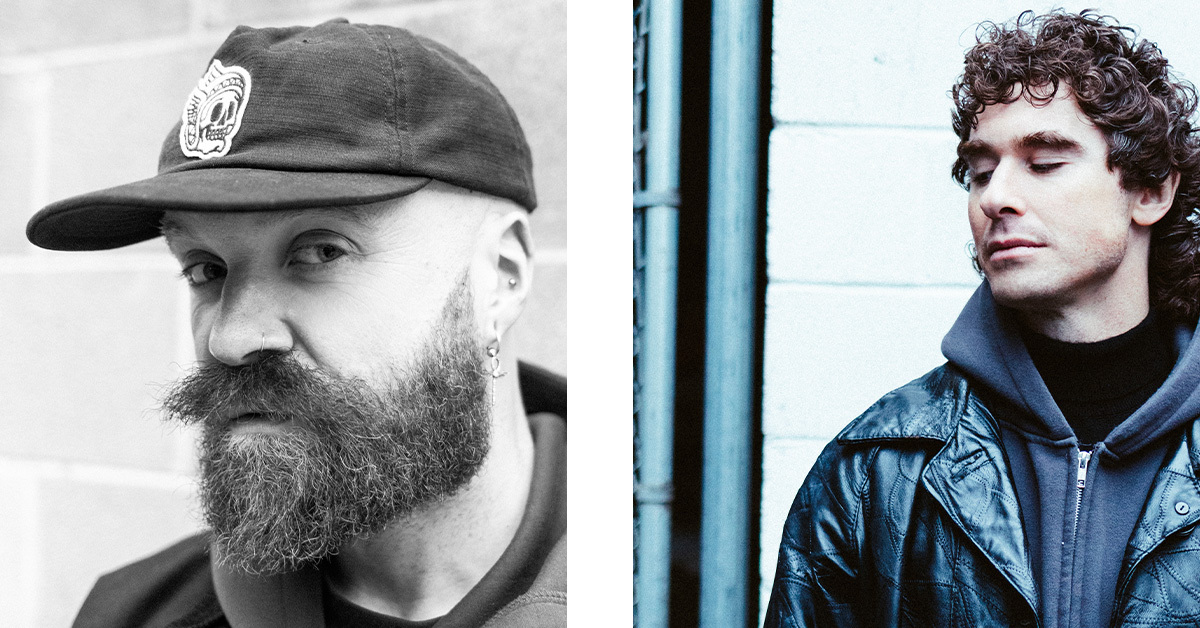
Josh Beech
You’ve described your shows as one big party, but the material comes from a tough time. Do you ever feel a tension between what the songs mean to you and how the crowd experiences them?
No, I don’t think there’s ever any tension for me. I’m more focused on what’s going on right there and then onstage and trying not to forget the lyrics. For me, the best thing about shows is the collective experience — being in a room full of strangers all sharing the moment through the music.
Sometimes I’ll be transported back to the time I was writing the song, but that usually throws me off, and naturally, I’ll just perform and react off the crowd. I think both experiences sit together, though, in the same way some people will be singing along, thinking about what the lyrics mean to them, and others will just be feeling the emotion of the music instead and tearing up the pit. While everyone may interpret the music and songs in different ways, the energy in the room unites us.
Have any songs surprised you with how hard they hit live? How are the newer songs sitting next to older material in the set?
“Hype Man” has been a real highlight on the last couple of tours as the song to close the night. We’ve been finishing our sets with “T-Shirt Song” since that track came out, so a lot of fans expect it last, so to then hit in with “Hype Man” has been incredible — seeing the look of surprise on people’s faces. It feels so much heavier than “T-Shirt Song,” but the contrast is awesome and caps off the night in carnage.
When you look back at this tour later and this chapter of the band, what do you want it to represent for Don Broco?
More than any other tour, this one felt like a real reintroduction to who we are as a band and the start of something new. Similarly with the album, I hope we’ll look back on it as a time that, while challenging us more than ever, also brought us a band closer than ever.
