
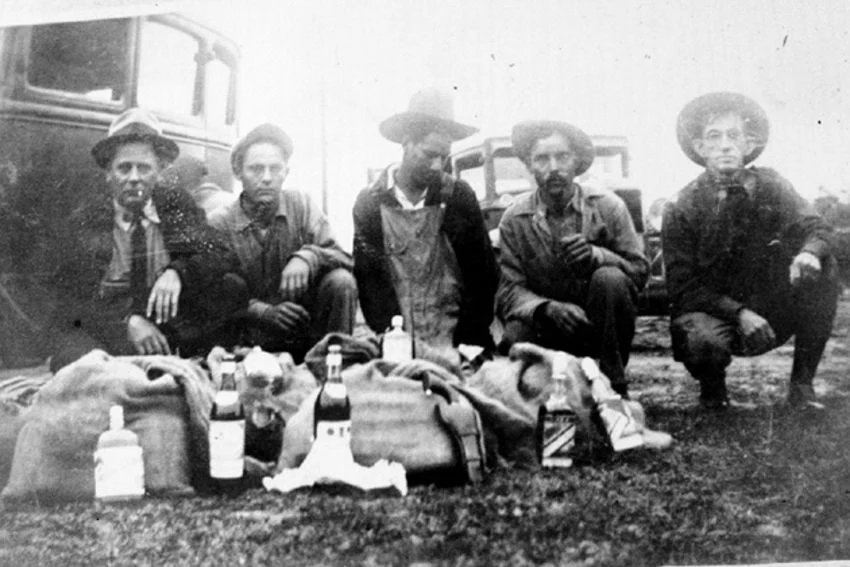
In February 1927, in Jim Hogg County, Texas, a group of mounted U.S. customs inspectors in Texas came upon a party of smugglers who had crossed over the border from Mexico. Gunfire was exchanged, one smuggler was killed and six horses and several hundred bottles of alcohol were seized.
Yes, you read that right: alcohol. Specifically, Mexican tequila.
This incident is the last recorded conflict between U.S. law enforcement and a long-gone brand of Mexican tequila smugglers, collectively called tequileros (tequila runners). During the early years of U.S. Prohibition, the tequilero brought alcohol across the Rio Grande to eager customers in the United States chafing under new federal laws banning the production, sale and consumption of alcohol.
A long border-trade tradition
Goods had always moved across the Rio Grande. Eggs might fetch a higher price in the north, or a factory-made shirt could be taken south for a profit. However, in 1848, the Rio Grande was established as the boundary between Mexico and Texas, and what had previously been trade was suddenly smuggling.
Movement of goods continued as a common, small-scale activity across the border area, with textiles, rawhides and lace as noted commodities. The fact that there was now a border brought the risk of seizure of certain goods by authorities, but import taxes increased the cost of those same goods, and so cross-border trade went on pretty much as before, with some of it now called smuggling.
With the border areas still a sparsely populated world, with families having relations or friends on both sides of the border and with checkpoints only occurring every 50 miles, small-scale smuggling had long been a part of life by the time the tequileros emerged in the 1920s.
Smugglers had long known the quiet paths and tracks toward Texas, as well as the farmer along the way who might be willing to rent out a donkey for a night’s work. There was no stigma to an activity that was seen as doing no harm to anyone. While Mexico’s frequent rebellions and unrest of the period did lead to a deadly cross-border arms trade that inspired occasional serious attempts to close the smuggling routes, governments often turned a blind eye.
A new and profitable period began in 1919 once U.S. Prohibition began, launching a healthy market for Mexican alcohol — tequila and cognac were the favorites — and launching the age of the tequilero along the border.
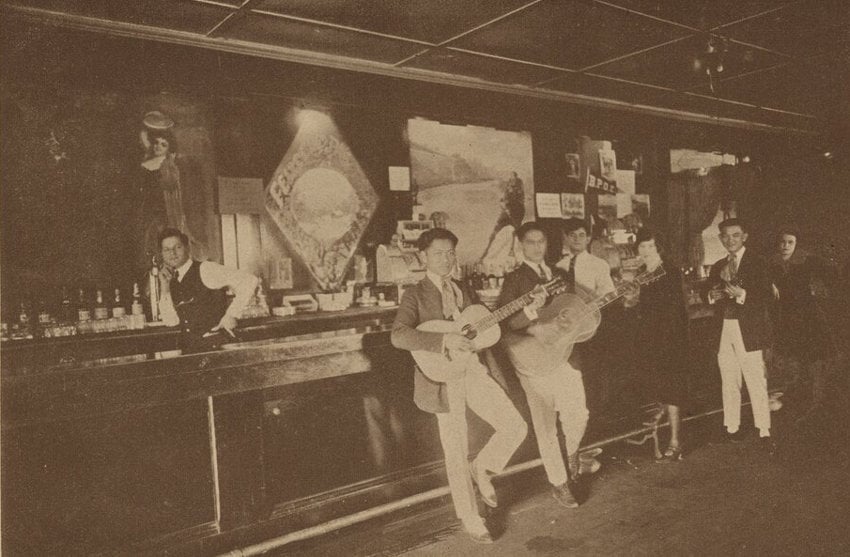
Tequilero gangs were generally small-scale affairs: typically three to six farm boys, usually on horses, guiding a few well-packed mules. These were locals who knew the quiet low-water crossings along the Rio Grande between the Texas towns of Zapata and Los Ebanos.
They often worked with Tejano friends or relations on the other side of the border. These Texas-born Mexican Americans acted as guides and could find markets for the contraband in local bars or knew how to get it to the Texas town of San Diego, which had become the transit point for bigger Texas cities like San Antonio, Corpus Christi, Dallas and Houston.
Tequileros knew how to pack their draft animals so that a strong donkey or mule could carry 50 or more bottles, protected by layers of hay or grass that both prevented the bottles from breaking and muffled the clanking that might give them away.
The tequilero’s nemesis: The Texas Ranger
The tequileros enjoyed a period of success but eventually caught the authorities’ attention. The Texas government, despite the area’s notable drinking culture, had introduced fierce laws to enforce the drinking ban, and the courts were flooded with alcohol-related criminal cases.
There was a large racist element here. The local farmer who made home-brewed moonshine from his surplus crop was usually left alone. The cross-border tequila trade, however, was fiercely hunted down.
This was in part due to fear: It had only been a few years since the height of the Bandit Wars, when, in the second decade of the 20th century, Mexican and Mexican American “Sedicionistas” had regularly attacked small Texas communities in the hope of annexing U.S. border territory to Mexico. There was a genuine fear on the part of the Texas government that the smuggling trade could set off a similar wave of violence.
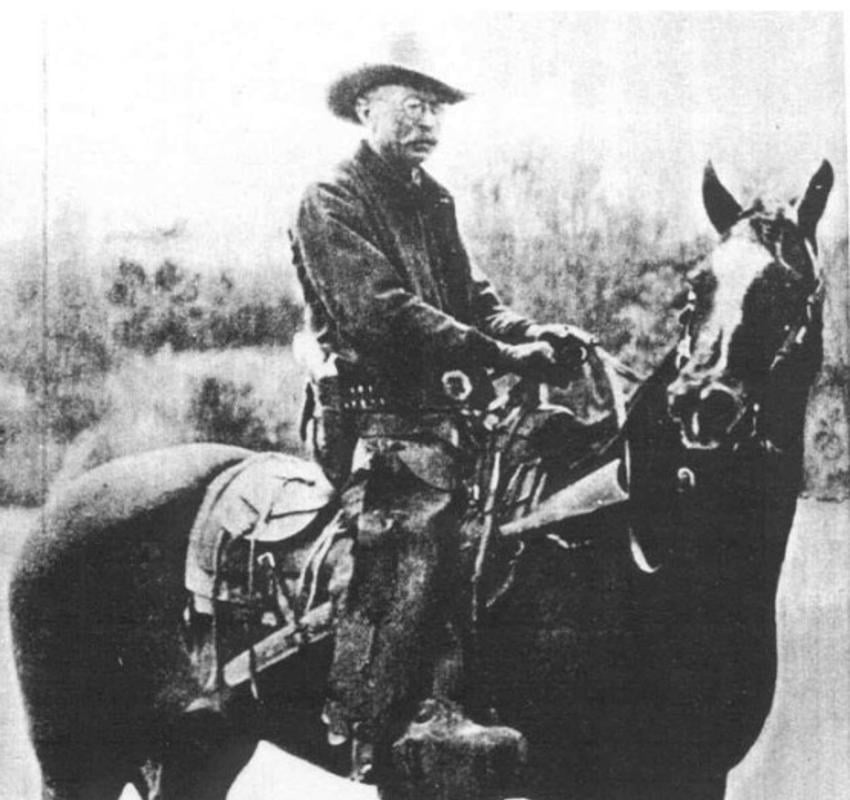
Smugglers had to deal with U.S. Customs inspectors supported by Texas Rangers. The Rangers had been formed in 1835 to protect the early settlers and for many years felt their duty was still to support “white folks” from Native Americans and from ethnic Mexicans.
There had been reforms, and the Rangers were on the way to respectability, producing men such as Frank Hamer, who would fight the Ku Klux Klan and win fame in 1934 for killing the outlaws Bonnie Parker and Clyde Barrow. However, an average person of Mexican ethnicity would not wish to cross paths with a Texas Ranger.
The lure of quick money
There has, as yet, not been a definite study of the tequila trade in this era, but the profits are believed to have been substantial: When one mule train was intercepted, the authorities seized 550 bottles, suggesting there were 11 or more mules in the train. Local papers valued the seizure at US $1,375, around $20,000 in today’s money.
A sheriff called Jesse Perez spoke of the “Lone-Rum-Running Jackass of Starr County,” a donkey taken over the border, loaded with bottles and set free at night. According to legend, this amazing “homing donkey” always managed to find his way home with the smuggled goods on his back.
But despite such lighter fare, the reality was that smugglers faced challenges and risks in getting across the Mexico-U.S. border. Even if they escaped death or capture by the Rangers, the chances of losing their shipment — and perhaps the horse and mules — were high, and this could wipe out several trips’ profits.
Nevertheless, for a while, the tequilero life seemed worth the risk for some: It was said at the time that after two or three successful trips, a smuggler could afford to buy a car. And to many, smugglers were heroes, local boys violently persecuted by the Texas Rangers, who would ambush and kill them without thought.
These smugglers’ stories might be poorly recorded, but one of the best mirrors lies in the corridos, Mexican folk songs, written about them, the most famous of which is “Los Tequileros,” the story of Leandro, Silvano and Geronimo, who collect their tequila in Ciudad Guerrero, Tamaulipas, and plan a 100-kilometer trek to San Diego, Texas. The three men are ambushed upon arrival in the U.S. by the “rinches” — a slang name for the Texas Rangers — and are all killed.
The story of tequileros Leandro, Silvano and Gerónimo, immortalized in the corrido “Los Tequileros,” has been recorded by multiple Mexican bands in the modern era.
The song reflects the attitude of many — that tequileros were simply poor local boys trying to get by, and that the “rinches” were violent agents of the U.S. government.
The end of the tequileros
However, by the late 1920s, circumstances had changed, and the days when smuggling seemed like little more than an exciting adventure for restless Mexican farm boys were quickly coming to an end.
At this point, tequileros were not the only source of alcohol available in the U.S. Moonshiners and smugglers working domestically through ports and harbors emerged as competitors and prevented the tequileros from pushing their prices high enough to justify the risks involved.
By the last five years of Prohibition, which ended in 1933, alcohol smuggling across the Rio Grande had, to all practical purposes, come to a quiet end.
Bob Pateman lived in Mexico for six years. He is a librarian and teacher with a Master’s Degree in History.
