
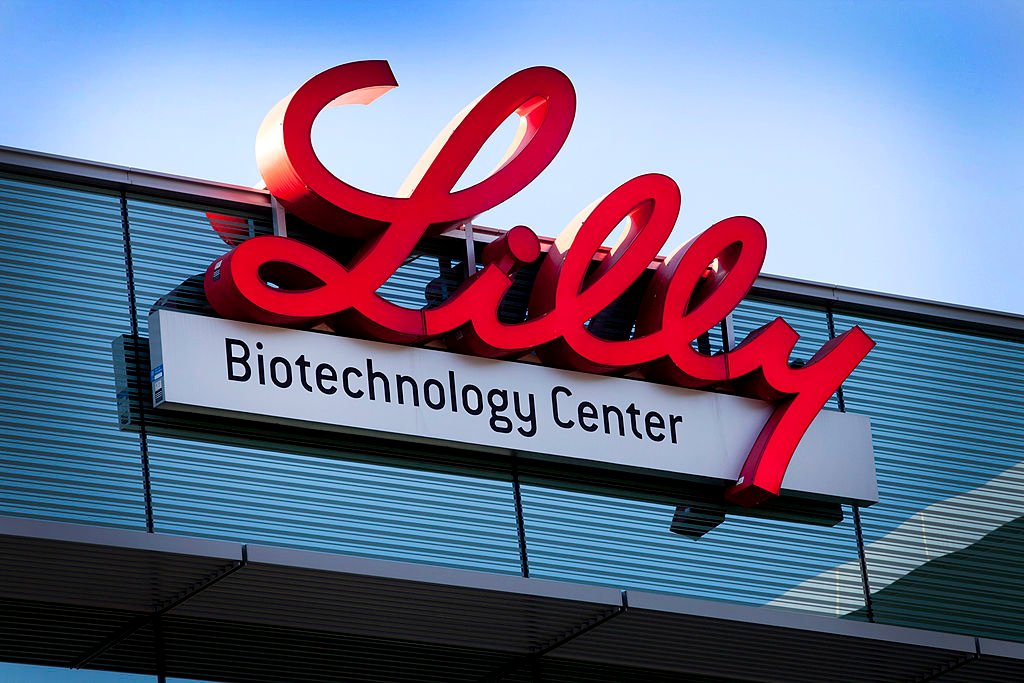
Eli Lilly has been scouting for drugs to follow the trail blazed by its blockbuster cardiometabolic medicines. Its latest pipeline-building deal has the pharmaceutical company paying $100 million for rights to a clinical-stage CSL Limited drug addressing an increasingly competitive target associated with chronic inflammation.
Under deal terms announced late Tuesday, CSL retains rights to the drug, clazakizumab, for prevention of cardiovascular events in patients with end-stage kidney disease while Lilly gains rights in other indications. Lilly has not disclosed its plans for the antibody but cardiovascular disease has become a particular area of interest for the company and it’s also the focus of clinical-stage programs in clazakizumab’s drug class.
Clazakizumab is a monoclonal antibody designed to bind to and block IL-6, a signaling protein that in excessive amounts plays a role in inflammation. While FDA-approved antibody drugs that block this target have already reached the market in certain inflammatory disorders, there’s renewed industry interest in expanding this approach to more diseases, particularly the inflammation that drives cardiovascular conditions.
Novo Nordisk’s IL-6 inhibitor, ziltivekimab, came from the $725 million acquisition of Corvidia Therapeutics in 2020. In the hands of Novo Nordisk, this antibody has reached Phase 3 testing in three cardiovascular indications: atherosclerotic cardiovascular disease (ASCVD), heart failure with preserved ejection fraction, and acute myocardial infarction. Meanwhile, Novartis joined the IL-6 drug chase last year with the $1.4 billion acquisition of Tourmaline Bio. Pacibekitug, the long-acting antibody drug at the heart of this deal, is in Phase 2 development for ASCVD. Medicines available for these indications are daily pills that must be taken chronically, and adherence to this drug regimen can wane. Besides introducing a new mechanism of action, long-acting injectables that don’t need to be taken as often could improve medication adherence.
Clazakizumab was initially developed by Vitaeris, which had partnered with CSL subsidiary CSL Behring on development of the drug for preventing organ transplant rejection. CSL Behring acquired Vitaeris in 2020. In 2024, CSL terminated a Phase 3 organ transplant study after an interim analysis concluded the trial was unlikely to succeed. Even so, the company did not give up on the drug. Overproduction of IL-6 is associated with many inflammatory conditions. CSL has an ongoing Phase 3 study evaluating the drug for prevention of cardiovascular morbidity and mortality in end-stage kidney disease.
Lilly, a longtime leader in diabetes drugs, expanded its scope to obesity with the blockbuster drug Zepbound. That product and type 2 diabetes medicine Mounjaro together accounted for more than half of Lilly’s $65.1 billion in 2025 revenue, and the company said in its annual report that it expects cardiometabolic health products will continue to be a “significant and growing portion of our business, revenues, and prospects.”
The cardiometabolic health portion of the Lilly pipeline includes the small interfering RNA drug lepodisiran and the oral small molecule muvalaplin, both in late-stage development for atherosclerotic cardiovascular disease. Lilly has been adding more prospects via business deals.
Last year, Lilly paid $1 billion to buy Verve Therapeutics, the pharma company’s partner in developing gene-editing medicines that turn off genes that code for proteins that drive cardiovascular disease. Last month’s $1.4 billion agreement to acquire Ventyx Biosciences will bring VTX3232, a small molecule inhibitor of the NLRP3 inflammasome, a protein complex associated with inflammation. The deal followed Ventyx’s October report of Phase 2 results showing the drug led to rapid and sustained reductions in levels of a protein associated with cardiovascular disease risk.
“Longer term, the durability of our cardiometabolic health product offerings and sustainability of our growth and prospects will depend on our ability to maintain or strengthen our competitive position as the therapeutic landscape evolves and to deliver further innovations that provide sufficient value to sustain our growth momentum,” Lilly said in the annual report.
Beyond Lilly’s $100 million upfront payment, CSL is eligible to receive milestone payments tied to the progress of clazakizumab. Financial details of those payments were not disclosed. CSL could also receive royalties from Lilly’s sales of clazakizumab if the pharma company is able to commercialize it.
Photo: Konrad Fiedler/Bloomberg, via Getty Images
