
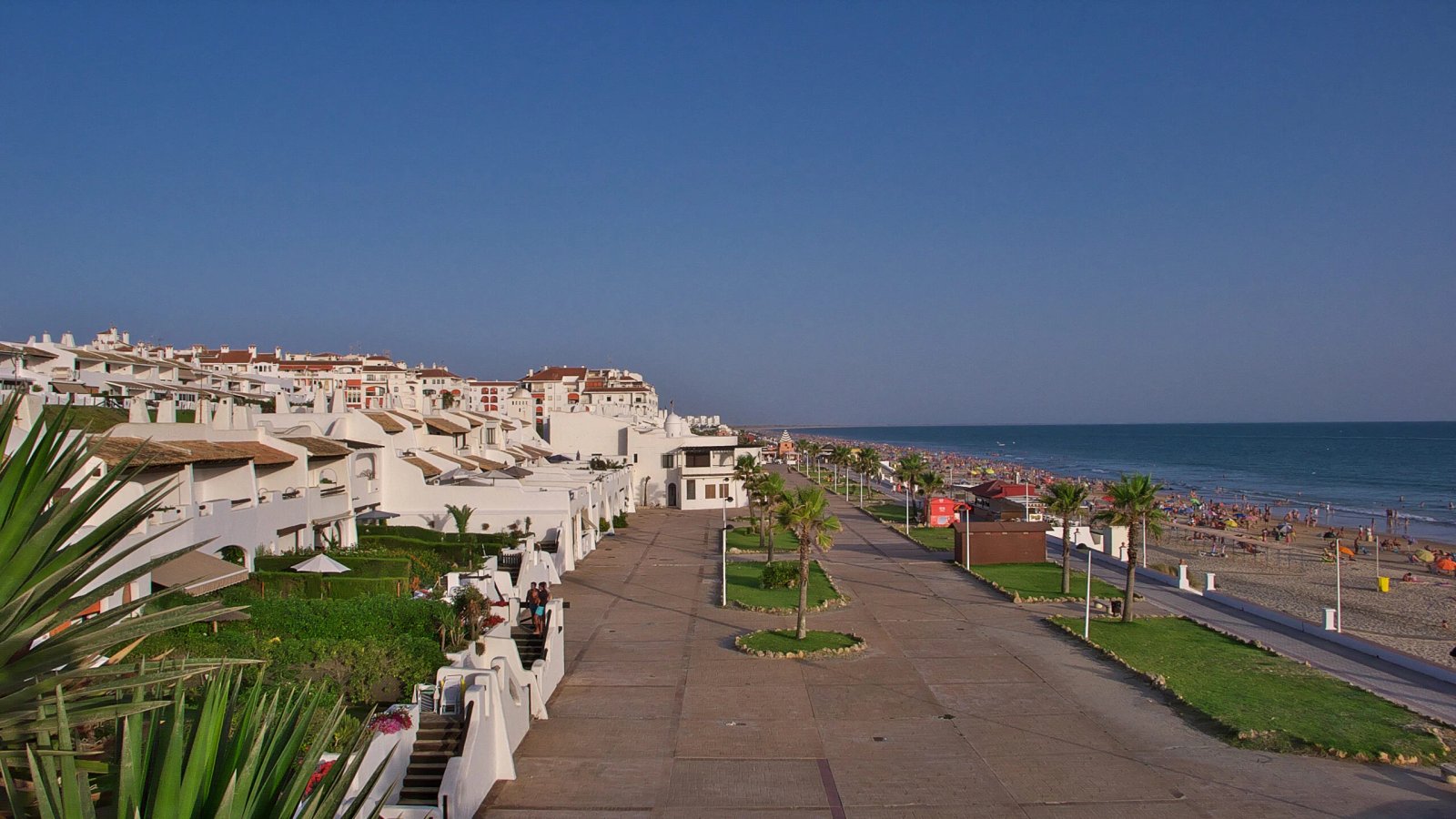
DOZENS of Costa del Sol residents face losing their homes as battering storms and ‘poor administration’ threaten to wash away vast swathes of Andalucian beachline before the summer.
Locals are scrambling to erect breakwaters along the shore in El Portil, Matalascañas and Mazagon, in Huelva province, after up to 80 metres of beach were lost to erosion in the past decade, an investigation by El Mundo has revealed.
To compound the catastrophic damage, incessant storms earlier this winter wreaked havoc along the coast, causing €3 million in destruction in Matalascañas alone, according to estimates by the local council.
In nearby Mazagon, the effects of erosion are already visible. Large sewage pipes that once ran under the sand have been exposed after the beach was washed away, and residents say the pipes have broken several times during storms.
One El Portil resident, named only as Marie Noelle, said recent storms have brought the sea so close that her 91-year-old mother’s house is almost surrounded by water.
Marie Noelle told El Mundo she rebuilt the breakwater by her mother’s house three times – costing €18,000 each time – but storms keep destroying it.
The El Portil resident is now one of dozens who risk losing their homes to beach erosion – with many locals claiming the problem was heightened by a dredging project carried out in 2016 near the mouth of the Piedras river.
The work was meant to create a wider channel so leisure boats could enter nearby marinas more easily – but critics say the dredging was done in the wrong place, near the sandspit known as Punta del Gato, which changed the natural flow of the river and the movement of sand along the coast.
One homeowner, civil engineer Pablo Jimenez, says the deeper channel created by the dredging allows waves to travel faster and with more force before they hit the beach – meaning they now wash away more sand than ever before.
Several complaints were filed over the dredging project, but none have succeeded so far. Lawyers for residents say that even if the dredging contributed to the erosion, it may not stop the government from moving ahead with plans affecting the houses.
READ MORE: Spain IS warming up: Official data shows brutal trend with ZERO cold records in last four years
The dispute is linked to Spain’s coastal rules under the Spanish Coastal Law of 1988, which says beaches and much of the shoreline belong to the public.
Many homes built before the law were allowed to remain, but only under temporary concessions rather than full ownership.
These concessions normally last 30 years and can be extended for another 30. However, Spain’s coastal authority has started procedures to cancel some of them early – including Marie Noelle’s – in areas where erosion threatens the coastline.
The crisis has also revived debate about more drastic plans from Spain’s environment ministry. One proposal suggests moving seaside promenades further inland and removing hundreds of buildings to protect the coast from future erosion and rising sea levels.
Local leaders and residents strongly oppose the idea, arguing that demolitions and expropriations would destroy communities that are already struggling with storm damage and disappearing beaches.
Click here to read more Green News from The Olive Press.
