
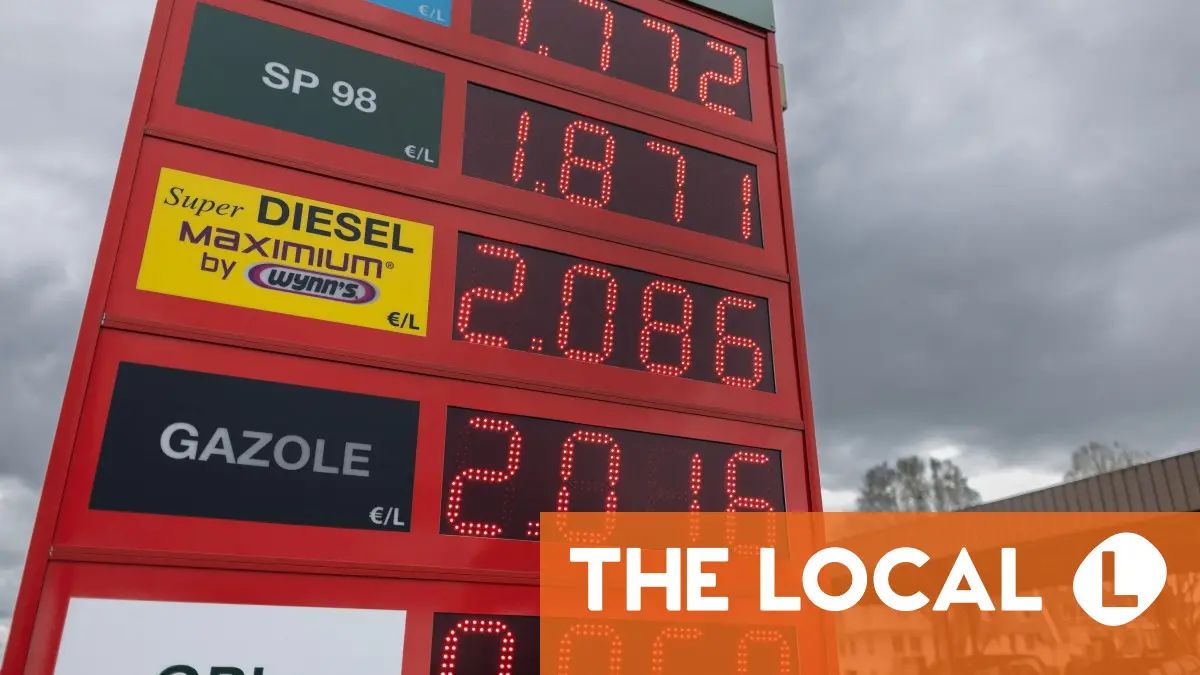
European businesses — and consumers — have long complained about high energy costs, which firms say put them at competitive disadvantage compared with Asian and North American rivals.
Pressure to address the issue has been heightened by US-Israeli strikes on Iran and Tehran’s retaliatory attacks across the Gulf region, which have upended the world’s energy and transport sectors.
“If you are at all able to lower taxes on energy, especially on electricity, there is a huge potential” to reduce consumer bills, Jorgensen, the European Union energy commissioner told a press conference at the EU Parliament in Strasbourg.
Electricity taxes and levies account, on average, for 25 percent of households’ bills and 15 percent of businesses’ energy costs across the 27-nation bloc, according to Brussels.
Reducing levies could save the average household about €200 a year, the commission said, as it unveiled a series of recommendations to bring down costs.
Advertisement
Lowering taxation was an effective way to contain energy bills temporarily during the crises, it said.
The Iran war has virtually halted activity in the strategically vital Strait of Hormuz, through which a fifth of the world’s crude supplies and a substantial amount of gas normally run.
“It needs to be temporary and targeted measures, so we’re not talking about changing fundamentally the structure of price setting,” Jorgensen said.
The commission also recommended that states ensure that energy suppliers provide customers with “best tariff advice” on the basis of their specific energy usage.
Removing “unnecessary technical hurdles” to switching providers and improving transparency and comparability of different supply offers were also cited, among other measures.
