
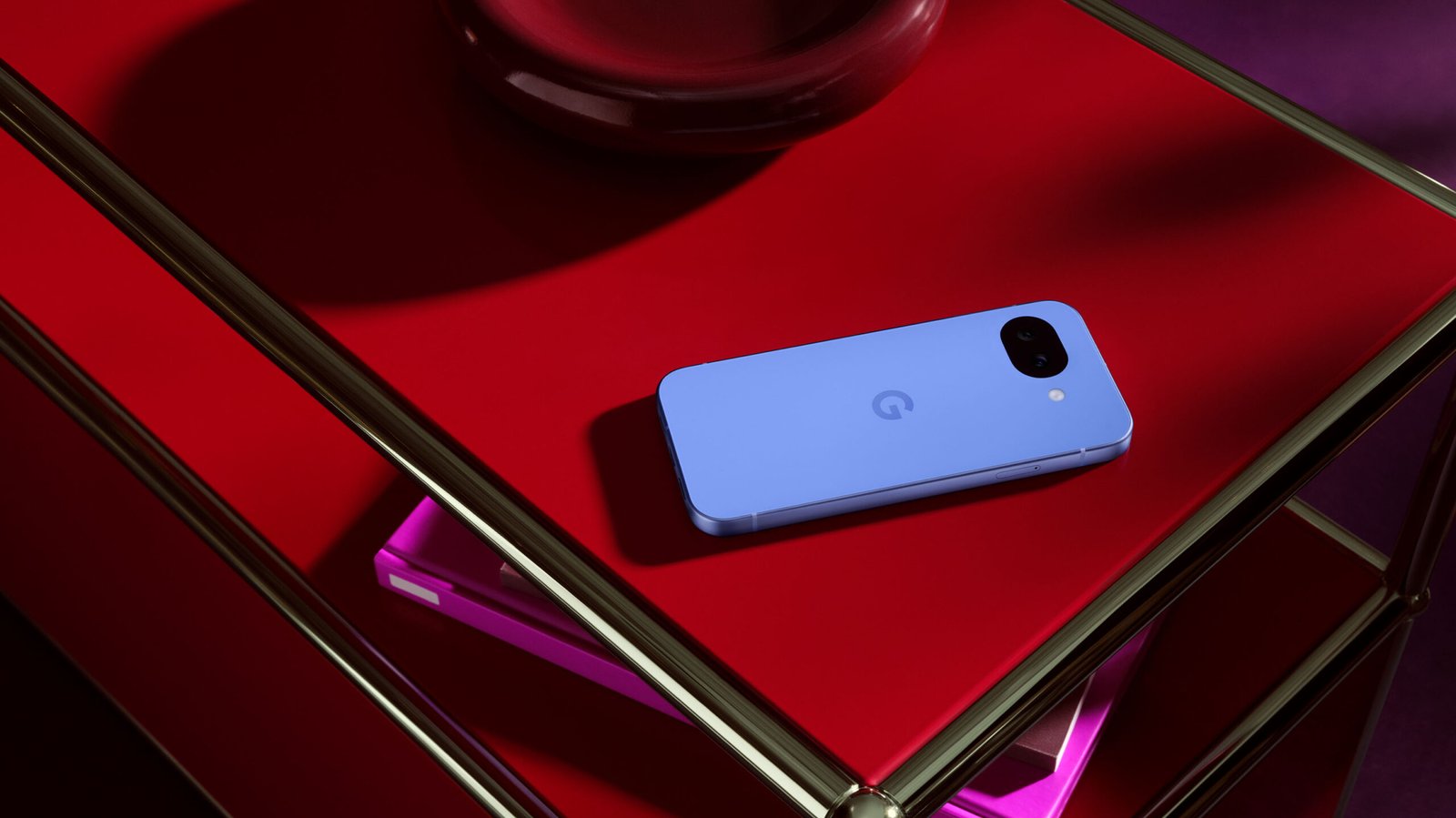
Google unveiled the newest member of the Pixel 10 family, the company’s budget-oriented Pixel 10a, ahead of its March 5 availability.
The Pixel 10a is, on paper, an extremely modest upgrade over last year’s Pixel 9a. On one hand, it makes sense — if it ain’t broke, don’t fix it. And there was very little ‘wrong’ with the Pixel 9a, and I was a fan of the 9a when I reviewed it last year. I still think the 9a is a very compelling choice, especially for people who don’t mind trading some camera chops for a more affordable device.
On the other hand, I’m worried Google hasn’t gone far enough with the Pixel 10a. While I haven’t tested the device yet (stay tuned for a full review), the specs show very, very few changes over the predecessor.
6.3-inch pOLED, 1080×2424 pixels, 60-120Hz
6.3-inch 1080×2424 Actua pOLED, 60-120Hz, 2,700nits peak brightness
6.3-inch Actua display, 1080 x 2424 OLED, 60-120Hz,
6.1×2.9×0.4 (153.9x73x9mm)
48MP f1.7 wide and 13MP f/2.2 ultrawide
48-megapixel f/1.7 wide, 13-megapixel f/2.2 ultrawide
48-megapixel (f./1.7) + 13-megapixel (f/2.2) 120-degree, 10.8-megapixel (f/3.1) 5x optical zoom
Under-display fingerprint, proximity, ambient light, accelerometer, gyrometer, magnetometer, barometer
Under-display fingerprint, proximity, ambient light, accelerometer, gyrometer, magnetometer, barometer
Fingerprint (in-display), Face Unlock, accelerometor, gyro, proximity, compass
Dual SIM (nano SIM and eSIM)
Colours: Lavendar, Berry, Fog, Obsidian
Colours: Obsidian, Porcelain, Iris, Peony
Colours: Frost, Lemongrass, Obsidian, Indigo + Pixelsnap
6.3-inch pOLED, 1080×2424 pixels, 60-120Hz
6.3-inch 1080×2424 Actua pOLED, 60-120Hz, 2,700nits peak brightness
6.3-inch Actua display, 1080 x 2424 OLED, 60-120Hz,
6.1×2.9×0.4 (153.9x73x9mm)
48MP f1.7 wide and 13MP f/2.2 ultrawide
48-megapixel f/1.7 wide, 13-megapixel f/2.2 ultrawide
48-megapixel (f./1.7) + 13-megapixel (f/2.2) 120-degree, 10.8-megapixel (f/3.1) 5x optical zoom
Under-display fingerprint, proximity, ambient light, accelerometer, gyrometer, magnetometer, barometer
Under-display fingerprint, proximity, ambient light, accelerometer, gyrometer, magnetometer, barometer
Fingerprint (in-display), Face Unlock, accelerometor, gyro, proximity, compass
Dual SIM (nano SIM and eSIM)
Colours: Lavendar, Berry, Fog, Obsidian
Colours: Obsidian, Porcelain, Iris, Peony
Colours: Frost, Lemongrass, Obsidian, Indigo + Pixelsnap
The most notable change this year is that Google is using 2024’s Tensor G4 chip in the Pixel 10a, while previous A-series Pixel phones have used the same chip as their non-A counterparts (e.g., the Pixel 9a and Pixel 9 both had the Tensor G4).
Beyond that, the Pixel 10a has the same screen as the 9a, the same cameras, the same memory and storage, the same battery, and even the colours are extremely similar. It’s not necessarily a bad thing because the Pixel 9a was pretty good, but there also isn’t a ton to get excited about here.
It’s a bit of a bummer to see Google make this change, though it isn’t exactly a surprise (many smartphone makers ship budget models using older components). And it’s not a concern over performance. While the Tensor chips haven’t exactly been performance champions, Pixel phones remain some of the smoothest-feeling Android phones out there.
Instead, my issue is that the Pixel 10a is the same as the 9a in all but name. Inside and out, it’s the same phone, with a few extremely minor external changes (like differences of mere millimetres).
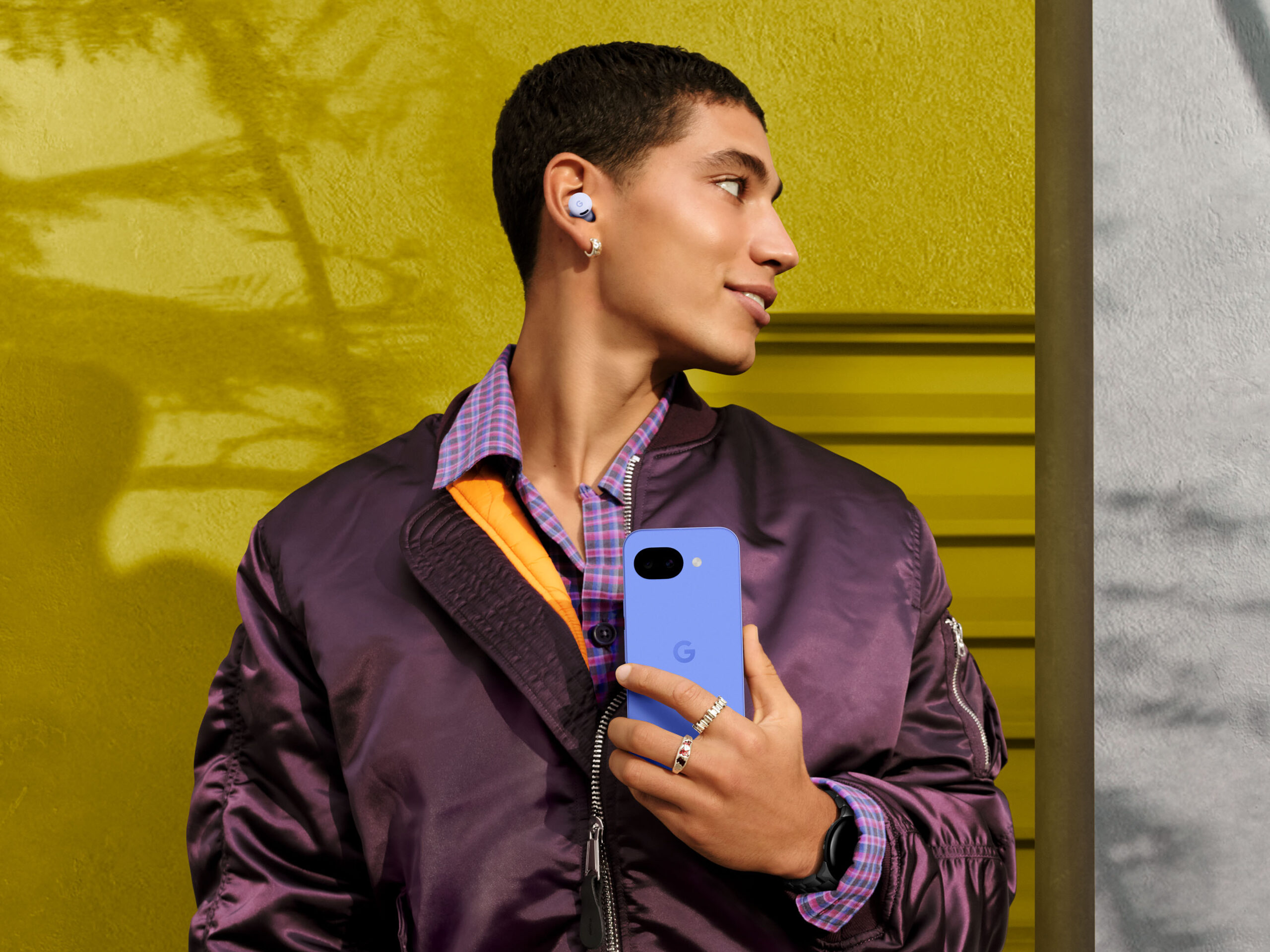
Will it still be one of the better budget phone options? Probably. Will I continue to recommend it to people? Yup. But it’s not a phone anyone should rush to buy, especially if you already have a Pixel 9a or 8a.
The Pixel 10a will retail for $679 in Canada, the same cost as last year’s Pixel 9a. Google is also launching two new colours for the Pixel Buds 2a, Berry and Fog, alongside the 10a — the earbuds retail for $179. Pre-orders for the Pixel 10a open on Feb. 18, and the device will land on store shelves March 5.
Images credit: Google
