
In the past couple of years, payers have come under scrutiny as they increasingly adopt AI tools to automate tasks like the claims review and prior authorization requests. Providers have voiced concerns about what this could do for patients’ access to timely care, with an American Medical Association survey from last year showing that 61% of physicians are fearful that payers’ use of AI is increasing prior authorization denials.
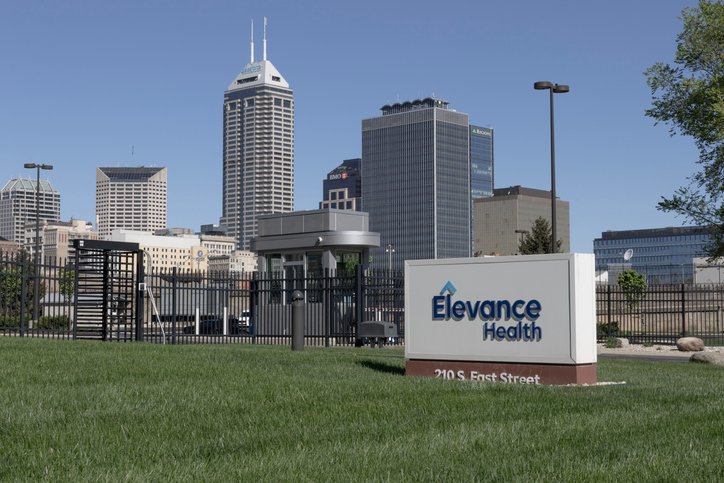
During an interview this week at the ViVE conference in Los Angeles, Ratnakar Lavu, Elevance Health’s chief digital information officer, said his company has drawn a clear line against using AI to deny claims. While Elevance uses AI to accelerate prior authorization approvals and streamline claims processing, denials still remain under human review.
Lavu explained that Elevance has adopted AI tools to analyze claims to detect missing information in an effort to prevent claims from getting stuck in the system.
“If there is some additional kind of review that needs to happen, we’ll actually send it to a clinician,” he stated.
He noted that Elevance has also invested in AI to power virtual assistants, which can help members find affordable providers, answer questions about procedure coverage and provide cost breakdowns.
Elevance has integrated AI into its call centers as well, using it to synthesize information from multiple systems so that agents can resolve members’ questions quickly. Lavu pointed out that AI models also generate post-call wrap-ups at scale to identify opportunities for improvement across roughly a million interactions per month.
In his view, underlying all of this is a commitment to responsible AI. Lavu said Elevance has implemented a governance program aligned with the NIST AI risk management framework, which emphasizes explainability, transparency, bias mitigation, hallucination prevention and human auditing of AI outputs.
The company is also collaborating broadly. Lavu said that Elevance is working with Big Tech companies like Anthropic, OpenAI, Google and AWS, as well as healthcare AI startups, to help them “think through the complexity of healthcare.”
The payer is working with these companies to help them understand the reality of healthcare workflows, as well as the policy and reimbursement dynamics that influence how tools are used in practice.
Lavu framed these initiatives as part of Elevance’s broader strategy to balance innovation with safety and trust. Questions linger about the real-world impact of AI on clinical workflows and patient experiences, but Lavu believes careful deployment and ongoing evaluation are key to moving the needle forward.
Photo: jetcityimage, Getty Images
