
Listen to and follow ‘The Debrief’: Apple Podcasts | Spotify | Overcast
Background:
Hip-hop has served as a primary pipeline for fashion’s entry into pop culture for decades, transitioning from organic street-level references to high-stakes global partnerships. Brands have historically leaned on a select group of superstar “style icons” to drive visibility, with ASAP Rocky emerging as the definitive case study for this crossover. However, as Gen Z consumer habits shift and the traditional music-to-market pipeline evolves, the industry faces questions about its over-reliance on a few familiar names.
Takanashi joins hosts Sheena Butler-Young and Brian Baskin to discuss the tension between the safety of established stars and the cultural necessity of finding fresh voices.
Key Insights:
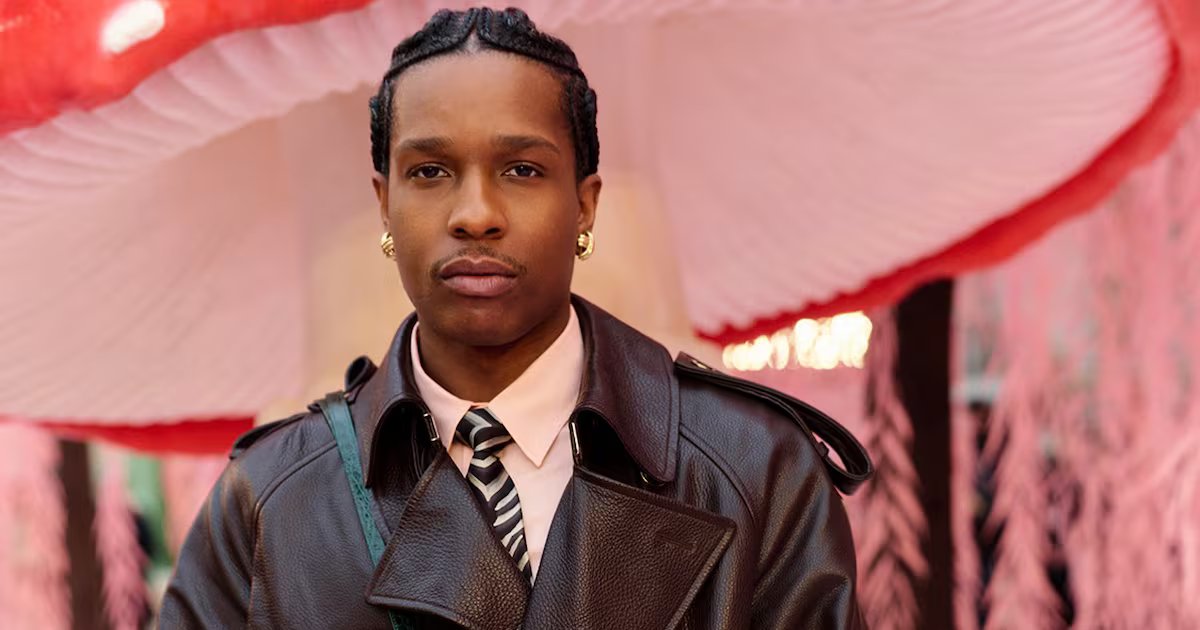
- Takanashi positions ASAP Rocky as the case study of hip-hop’s interaction with fashion, whose organic love for runway brands transformed him into a definitive bridge between hip-hop and luxury. He recalls how Rocky name-checked designers in his breakout moment, and how that shifted what young fans even understood as fashion. “On this breakout single ‘Peso’, [Rocky] said that he was into Rick Owens and Raf Simmons,” Takanashi says. “He came out the gate as this rapper who really declared that he was into high fashion.” This authenticity created a bridge that allowed luxury brands to feel comfortable moving beyond traditional streetwear.
- However, fashion houses frequently default to known quantities like Pharrell, Travis Scott, or ASAP Rocky because their long resumes provide predictable results for risk-averse marketers. This creates a feedback loop where the same faces appear across multiple, sometimes competing, brand categories. “A marketer can just point to several examples they’ve done in the past and they could see the result of it,” Takanashi explains. The industry’s tendency to “glom onto certain familiar names” risks diluting the unique identity of the brands themselves.
- On the other hand, niche fan bases offer a more potent alternative to mainstream superstars. Some of the most successful recent collaborations have bypassed the Billboard charts in favour of artists with highly engaged, specific communities, such as Action Bronson with New Balance. Takanashi highlights that there is “a lot of strength in just kind of collaborating with artists that aren’t necessarily like charting super high.” Smaller artists with highly engaged and loyal fans can move the needle more effectively than a mass-market star who may feel interchangeable.
- While brands are happy to dress rising talent for red carpets or front-row appearances, the leap to a global campaign remains a “slow burn.” Takanashi points out that many decision-makers lack a deep investment in the culture, leading them to extract value rather than nurture new talent. “Fashion is a business that extracts culture, but doesn’t necessarily give back to it as much as we’d like,” he says. Without more diverse perspectives in positions of leadership, the industry struggles to identify which younger artists possess genuine, long-term cultural resonance.
