
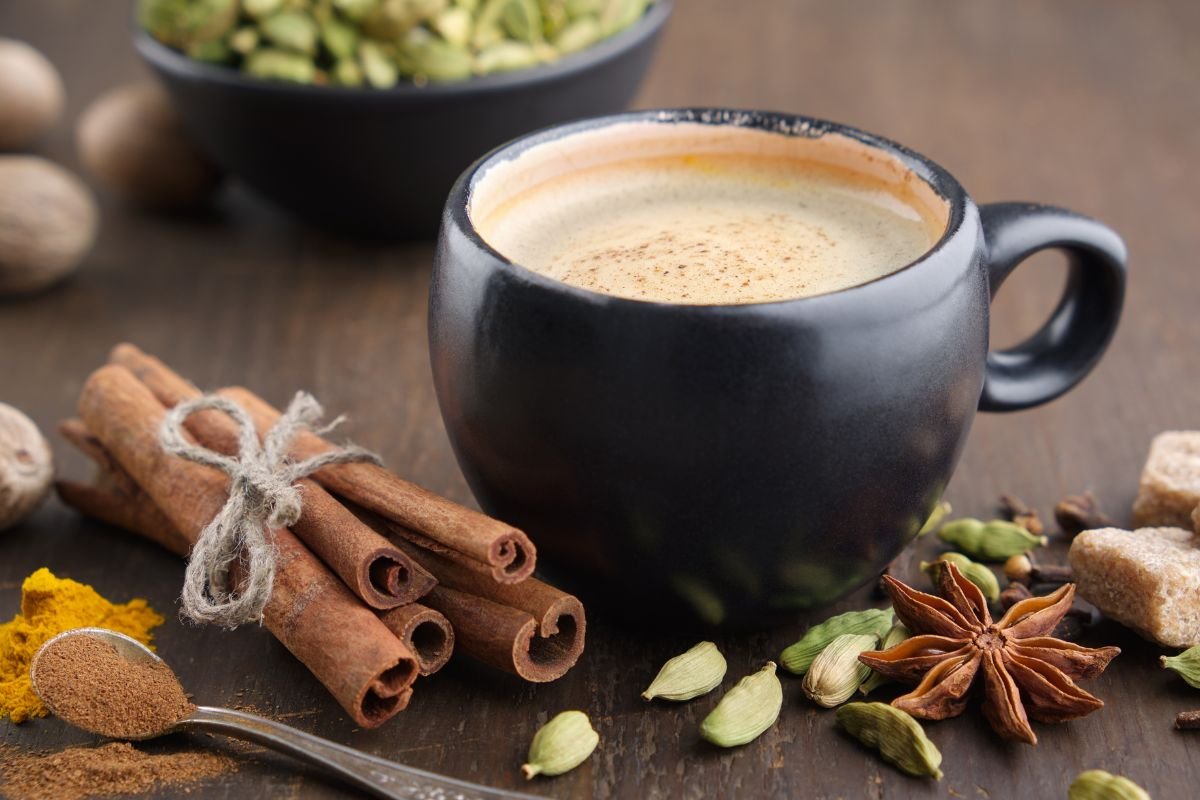
☕ Can Spices in Coffee Boost Brain Health?
Spices like turmeric, cinnamon, and ginger contain bioactive compounds that researchers have linked to improved cognitive function, reduced inflammation, and slower brain aging. Adding them to your daily coffee is a simple way to get more of these compounds into your diet while upgrading your flavor.
⚡ Quick start: The easiest combination to try first is ¼ tsp turmeric + a pinch of black pepper + a splash of oat milk. The pepper increases turmeric absorption by up to 2,000%.
Medical Disclaimer: This article is for informational purposes only and is not intended as medical advice. The research cited below is preliminary, and individual results may vary. Always consult your healthcare provider before making changes to your diet, especially if you take medications or have existing health conditions.
Coffee is one of the most widely consumed beverages on earth, and emerging research continues to reveal potential benefits for brain health. A 2026 study published in JAMA involving more than 130,000 participants found that moderate caffeine intake was associated with slower brain aging and a potentially reduced risk of dementia. A separate 2025 review in Frontiers of Nutrition examined coffee’s molecular compounds and highlighted coordinated antioxidant, anti-inflammatory, and neuroprotective effects.
But here is where it gets interesting. You may be able to amplify those potential benefits by adding certain spices to your daily cup. Spices like turmeric, cinnamon, and ginger have been studied for their own cognitive properties. When combined with coffee’s natural compounds, they may create a more powerful daily ritual for your brain.
In this guide, we cover what the current science says about nine spices that may support cognitive function, how to combine them effectively, and how to incorporate them into a healthy daily routine.
📊 Key Takeaways at a Glance
| Spice | Primary Potential Benefit | Suggested Amount |
|---|---|---|
| Cinnamon | Blood sugar regulation, antioxidant | ¼ to ½ tsp |
| Turmeric | Anti-inflammatory (curcumin), BDNF support | ¼ to ½ tsp + pinch black pepper |
| Ginger | Circulation, anti-inflammatory | ¼ tsp ground or thin slice fresh |
| Black Pepper | Enhances nutrient absorption (piperine) | Small pinch |
| Cardamom | Antioxidant, circulation support | ¼ tsp or 1 crushed pod |
| Cayenne Pepper | Circulation (capsaicin), alertness | Tiny pinch (start small) |
| Nutmeg | Mood support, antioxidant | Small pinch (use sparingly) |
| Rosemary | Memory support (acetylcholine) | Small sprig or ¼ tsp dried |
| Sage | Memory and mood support | 2 to 3 fresh leaves or ¼ tsp dried |
Note: These amounts are general suggestions for adding flavor to coffee. They are not standardized therapeutic doses. Research on spices and cognition is still emerging. Results from studies using concentrated extracts may not directly apply to culinary amounts.
☕ The Foundation: How Coffee May Support Brain Health
Coffee contains hundreds of bioactive compounds, including caffeine, chlorogenic acids, and trigonelline. These compounds work in different ways. Caffeine blocks adenosine receptors that promote drowsiness. Chlorogenic acids function as antioxidants that may help protect cells from oxidative damage.
Research on coffee and cognitive health has been building for years. A landmark 2026 JAMA study analyzing data from over 130,000 people found an association between moderate coffee consumption and slower cognitive decline. Earlier research from the Journal of the American Heart Association also found that coffee drinkers with atrial fibrillation showed better cognitive performance, with inflammatory markers reduced by up to 27% in higher consumers.
☕ Good to know: Most of this research is observational, meaning it shows associations rather than definitive cause and effect. Other lifestyle factors common among coffee drinkers may also play a role. Still, the consistency of findings across large studies is promising.
If you are interested in how coffee may support longevity more broadly, we have covered that topic in depth as well.
🌿 9 Spices That May Enhance Your Coffee and Support Cognitive Health
Each of these spices has been studied for properties that may benefit brain health. Some evidence is stronger than others, and we have tried to be transparent about the quality of research behind each one. Where possible, we have cited systematic reviews and meta-analyses, which represent the strongest form of evidence.
🧪 Spice Combinations for Synergistic Effects
Some spices work better together than alone. Here are three combinations worth trying, based on complementary mechanisms.
☕ Golden Coffee: Turmeric + Black Pepper + Ginger
This is arguably the most evidence-backed combination on this list. Black pepper’s piperine dramatically increases curcumin absorption from turmeric, while ginger adds its own anti-inflammatory compounds and a bright, spicy flavor.
☕ Spiced Mocha: Cinnamon + Nutmeg + Cayenne
A classic warming combination. Cinnamon provides blood sugar support, nutmeg adds mood-enhancing depth, and cayenne boosts circulation.
☕ Herbal Memory Blend: Rosemary + Sage
Both rosemary and sage may support acetylcholine levels, the neurotransmitter most closely associated with memory and learning.
🍽️ Try this: Steep a small sprig of rosemary and 2 to 3 sage leaves in your coffee, then remove. Add coconut milk and a drop of stevia for a fresh, herbal experience.
🧠 The Gut-Brain Connection: Why It Matters for Your Coffee
Emerging research suggests that many of the cognitive benefits attributed to both coffee and spices may operate partly through the gut-brain axis. This is the bidirectional communication pathway between your digestive system and your brain. Curcumin, for instance, has been shown to influence cognition through gut microbiome modulation. Ginger has well-documented effects on digestive health that may indirectly support brain function.
This is why pairing spiced coffee with broader gut health practices may amplify benefits. Including probiotic-rich foods and prebiotic foods in your diet supports the microbial balance that helps your gut and brain communicate effectively.
For a deeper dive into this topic, see our guide on improving gut health and the benefits of digestive enzymes.
💡 Mindful Consumption: Tips for Getting the Most from Spiced Coffee
✅ Choose quality spices. Organic, recently purchased spices will contain higher levels of active compounds than older, lower-quality alternatives. When possible, buy whole spices and grind them yourself. Look for single-origin spices without fillers or additives.
✅ Start small and adjust. Begin with small amounts and increase gradually as your palate adjusts. Some spices, especially cayenne and nutmeg, are potent and easy to overdo. Pay attention to how different spices make you feel.
✅ Balance with a nutrient-rich diet. Spiced coffee is a complement to a healthy diet, not a replacement for one. Support your brain health with foods rich in omega-3 fatty acids, B12, magnesium, and antioxidants from fruits and vegetables.
✅ Consider your caffeine intake. The brain health benefits associated with coffee in research typically correspond to moderate consumption of roughly 3 to 4 cups per day. More is not necessarily better. Excessive caffeine can cause anxiety, sleep disruption, and other issues. If you are caffeine-sensitive, you might enjoy these spices in coffee alternatives or even in green tea, which offers its own cognitive benefits with less caffeine.
⚠️ Be aware of interactions: Some spices can interact with medications. Cinnamon and turmeric may affect blood sugar levels. This is important if you take diabetes medications. Turmeric may also interact with blood thinners. If you take any medications regularly, talk to your doctor before adding large amounts of spices to your daily routine.
🏃 Lifestyle Habits That Support Long-Term Brain Health
Adding spices to your coffee is one small piece of a larger picture. Research consistently shows that cognitive health depends on a combination of diet, physical activity, mental stimulation, sleep, and stress management.
🏃 Move your body regularly. Physical activity is one of the most well-established ways to support brain health. Even small amounts matter. Research suggests that just five minutes of daily exercise may help lower dementia risk. Activities that combine physical movement with coordination, like dancing, may be especially beneficial for cognitive function.
😴 Prioritize sleep. Your brain consolidates memories and clears metabolic waste during sleep. Poor sleep is strongly associated with cognitive decline. If you struggle with sleep, our guides on sleeping better naturally and good sleep hygiene may help.
🧘 Manage stress effectively. Chronic stress can impair cognitive function and accelerate brain aging. Find stress management techniques that work for you. We have compiled practical ways to reduce stress and techniques for calming anxiety at night. Adaptogenic herbs like ashwagandha are also gaining research support for stress management.
🧩 Challenge your brain. Mental stimulation helps build cognitive reserve that may protect against decline. The goal is to regularly engage in activities that feel slightly challenging rather than purely routine.
For a more comprehensive look at how daily habits influence brain health and aging, see our article on lifestyle and lifespan.
🍵 More Spiced Beverage Ideas
If you enjoy adding spices to your coffee, you might also want to explore these related recipes and ideas:
☕ The Bottom Line
The research connecting coffee, spices, and brain health is genuinely interesting, and it is growing. Large-scale studies continue to find associations between moderate coffee consumption and slower cognitive decline. Individual spices like turmeric, cinnamon, and ginger are building their own evidence base for neuroprotective properties.
That said, it is important to keep expectations realistic. Adding a pinch of cinnamon to your morning coffee will not cure or prevent any disease on its own. What it can do is contribute to a broader pattern of healthy choices (good nutrition, regular movement, quality sleep, and mental engagement) that collectively support your brain over time.
The best part? These spices also make your coffee taste better. So even setting the science aside, there is a strong flavor argument for experimenting with spiced coffee. Start with what sounds appealing, adjust to your taste, and enjoy the ritual. Your brain and your taste buds may thank you for it.
For more ideas on supporting your overall wellness, explore our healthy habits guide, 9 must-have herbs for cleansing the body, and our guide to MCT oil benefits (another popular coffee addition).
Disclaimer: This article is for educational purposes only and is not intended to diagnose, treat, cure, or prevent any disease. The information provided is not a substitute for professional medical advice, diagnosis, or treatment.
Always seek the advice of your physician or other qualified health provider with any questions you may have regarding a medical condition. Never disregard professional medical advice or delay in seeking it because of something you have read in this post.
