
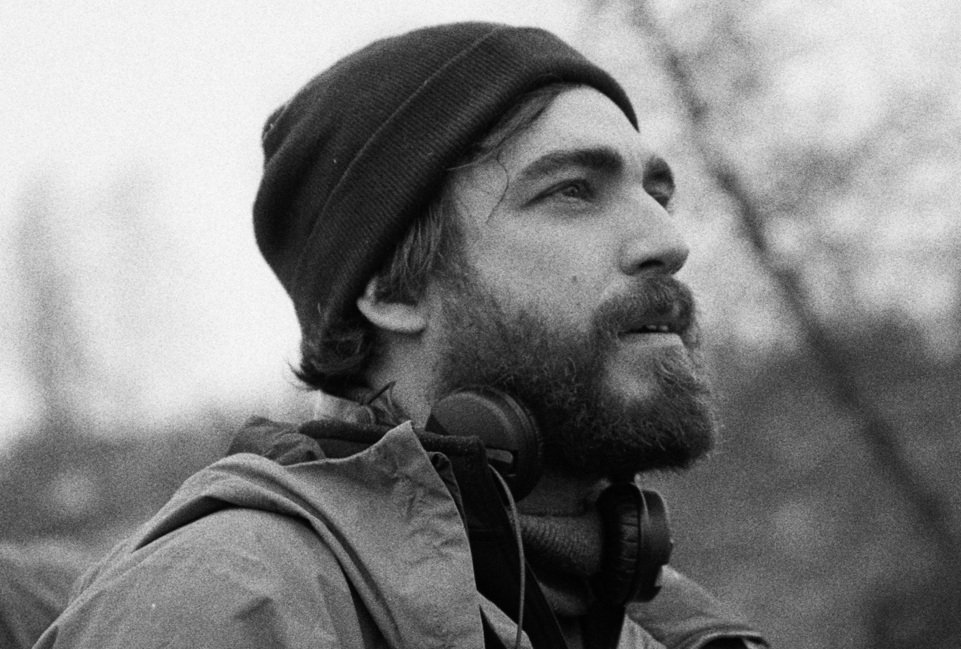
“I see the concept of ‘paradise’ as escapism, with each character striving to reach a place where they can forget their pain”
– BERLINALE 2026: We spoke to the Canadian director, whose feature debut follows two teens in Canada and Ghana confronting post-colonial tensions
(© TIFF)
We talked to Canadian director Jérémy Comte about his feature debut, Paradise [+see also:
film review
interview: Jérémy Comte
film profile], screening in the Panorama strand of this year’s Berlinale. The film, shot in Canada and Ghana, tells the story of teenagers Tony and Kojo, from the two respective countries, who will see their paths intertwine over the course of the movie.
Cineuropa: It took a decade for you to make this feature. Could you describe the process?
Jérémy Comte: I co-wrote this film with Will Niava. We touched on quite a complicated subject, and there was a lot of research to be done. We felt that we had a responsibility towards what we were depicting, so we needed the right amount of time for that. But then it was also very hard to raise the money. Paradise was quite a hard film to finance because of what it talks about, so at the start, I was kind of financing it myself. We didn’t have any help in terms of development money. I would work on some adverts on the side, take the money from that and reinvest it in this project.
Your story is set in two very different parts of the world. How did the shoots go from a practical point of view?
I wanted to involve the communities in both places as much as possible. So, for Quebec, we really involved the skate community, since Tony’s friends are skaters. We’d have rehearsals beforehand, playing with the lines in the script, so that the sentences would make sense in their slang. And the same thing happened in Ghana: we worked with a lot of non-professional actors, and we did the same thing with the script there. I really wanted to make sure that their voice was respected and that the movie felt true to them.
When it came to filming, I consider myself a highly visual director, so my cinematographer and I did extensive location scouting, combining different places in such a way that viewers wouldn’t realise how far apart they actually were. Sometimes, a single shot and its reverse were filmed in entirely different locations.
You’ve mentioned working with non-professional actors. Is there anything in particular that changed in the storyline because of this?
During the writing process, Will and I got in a crazy motorbike accident together. We were injected with ketamine in the hospital. At first, we thought we didn’t want to put this in the movie. But then, since it was really transformative for us, we did. Moreover, we filmed the scene with the spiritualist in the shrine without a script, and the same went for the sequence with the fishermen. We actually went out to sea with them and waited for things to happen. We also went through the scene of the arrest with the CID, the police in Ghana: they told me how it would have happened in reality, and I followed that. We also tried to be true in our portrayal of the scammers. For example, there was someone who inspired the character of Prince, but in reality, he was a bit more paranoid; he had a “loyalty tattoo” across his chest. I found that so ironic because he was a scammer, but he was also being loyal to his crew. There were many kinds of scammers, each coping differently: some in denial, others burdened by guilt, while some even fell in love with their victims.
In the film, there is a very interesting dialogue about post-colonialism towards the end. Do you like to think that this is the main theme of the movie, or is Paradise about the longing for a paternal figure?
I think some of the main elements of the film stem from the fact that we’ve all been betrayed or humiliated, especially in love, and we should all try to understand the other side. There’s so much hate right now in the world; people feel like they need to take sides, and our main goal was to show love and understanding, even when someone is scamming you. But inevitably, when you work on a story set in Canada and Ghana, the question of post-colonialism arises. The scammers we talked to would insist on this concept, using it to justify their actions, blaming what had happened in the past. We wanted to ensure that message would be conveyed at the climax of the movie.
As for the father-figure theme, I wanted it to unite the two main characters, who become enemies through the story, but in the end, they’re both on the same quest, this search for truth, which is a very human thing. I see the concept of “paradise”, as the title suggests, as a form of escapism, with each character striving to reach a place where they can forget their pain and the challenges they are facing.
